My heart goes out to Christina Applegate. After five years of believing she had MS, I read yesterday that she’s now been told she was misdiagnosed. But her symptoms haven’t disappeared — she’s still struggling, only now she doesn’t know why.
Twenty years ago, we were there. Watching symptoms, taking tests, going from doctor to doctor and waiting for answers. It’s like a holding pattern – waiting to land and not knowing where you are headed and what to expect.
I was thinking about her and the frustration and worry she must be feeling and then my mind went somewhere unexpected.
Could she have ALD?
Women with ALD can experience neurological symptoms that resemble MS, including symptoms she’s shared like difficulty walking, balance problems, and muscle stiffness. Some women spend years searching for answers or receive an incorrect diagnosis – MS being top of the list.
Of course, I know absolutely nothing about Christina Applegate’s medical history, and I’m certainly not suggesting that she has ALD. But I can’t help wondering whether our rare (NOT so rare) disease has been considered.
Mostly, my heart breaks for her. Imagine finally having a name for what’s happening to your body, learning to live with that diagnosis, and then having the rug pulled out from under you. The symptoms are still there, but the explanation and potential treatments are gone. If there’s one thing us ALD folks understand, it’s the exhausting journey of searching for answers.
Christina, I’m rooting for you. I hope you find the answers, support, and peace you deserve!
And maybe, just maybe, stories like yours will remind the medical community to look beyond the obvious and consider the rare — Because sometimes rare isn’t as rare as we think!
Living with ALD can be lonely. Sometimes it feels like we’re speaking a language nobody else understands. But put a bunch of ALD families and doctors and researchers in one room, and suddenly you don’t have to explain everything. People just get it!
There will be incredible doctors, researchers, and important information. There will also be breakout sessions and Ambassador Drinks and patient panels and an auction and even a little talk about life between appointments (I guess I should start prepping that one). But for me, the real magic happens in the hallways (and bathrooms — it is an ALD conference), over meals (and maybe a drink or two), and during conversations that turn strangers into friends.
We laugh, we cry, we share stories that would probably horrify people outside the ALD world. And somehow, we leave feeling a little lighter.
Community doesn’t cure ALD, but it sure makes living with it easier!
Registration is closing soon. Don’t miss the chance to find your people—or reconnect with the ones who already feel like family.
Hope to see you there!
Love, Jess
PS Did I mention that if you come you get to visit beautiful Salt Lake City!
Sunday, Mymom took Jack, Dan and I to see The Outsiders on Broadway. I knew the story and I knew it was emotional. I knew there would be music and fighting and friendship and loss. And, I guess on some level, I … Continue reading →
Today is Jack’s 28th BirtHdAy!!!!!! We are thrilled to be celebrating but it’s one of those birthdays that has made me stop and think. Dan was 28 when we got married. He was just starting his MBA at Stern and … Continue reading →
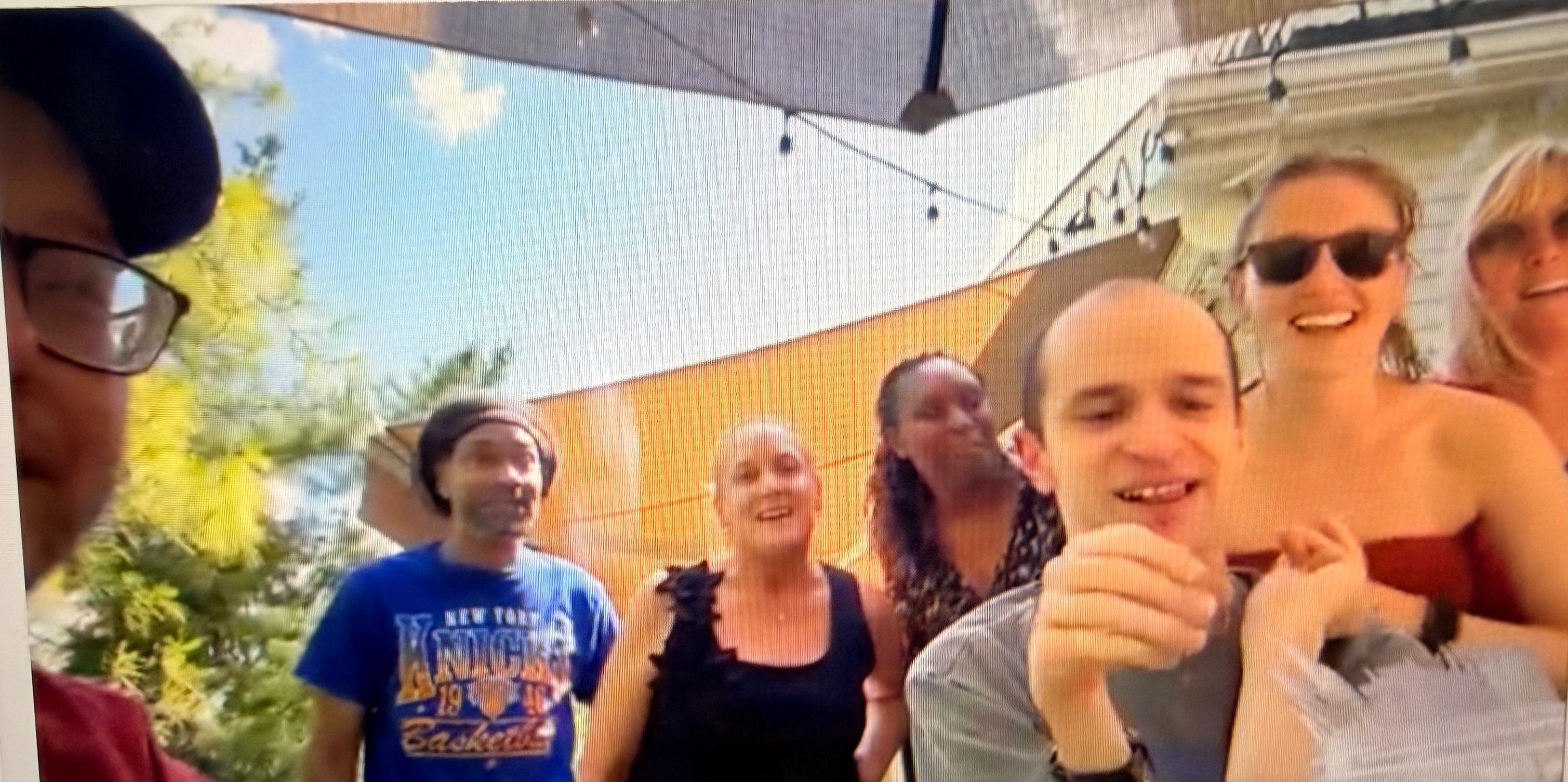
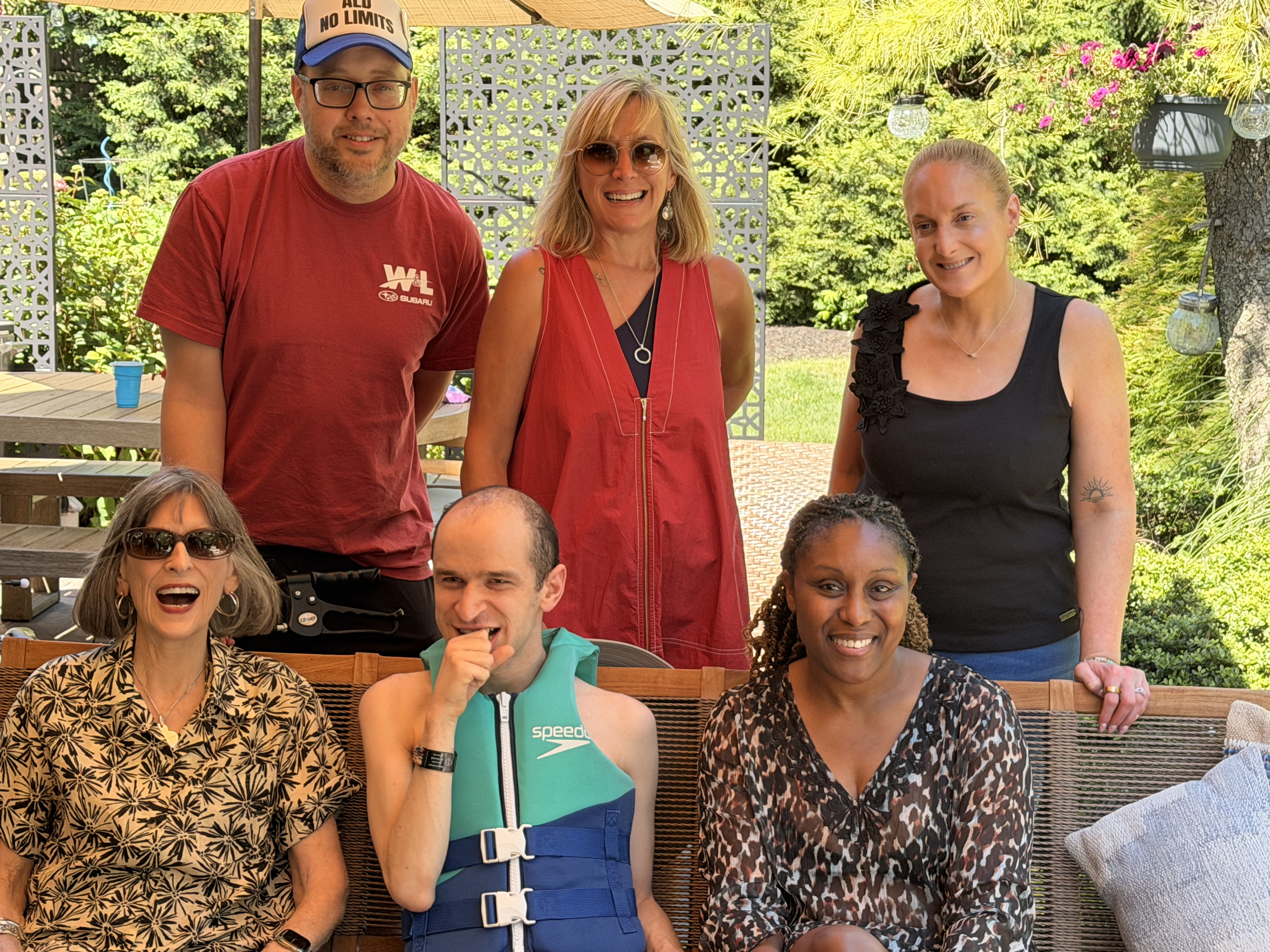
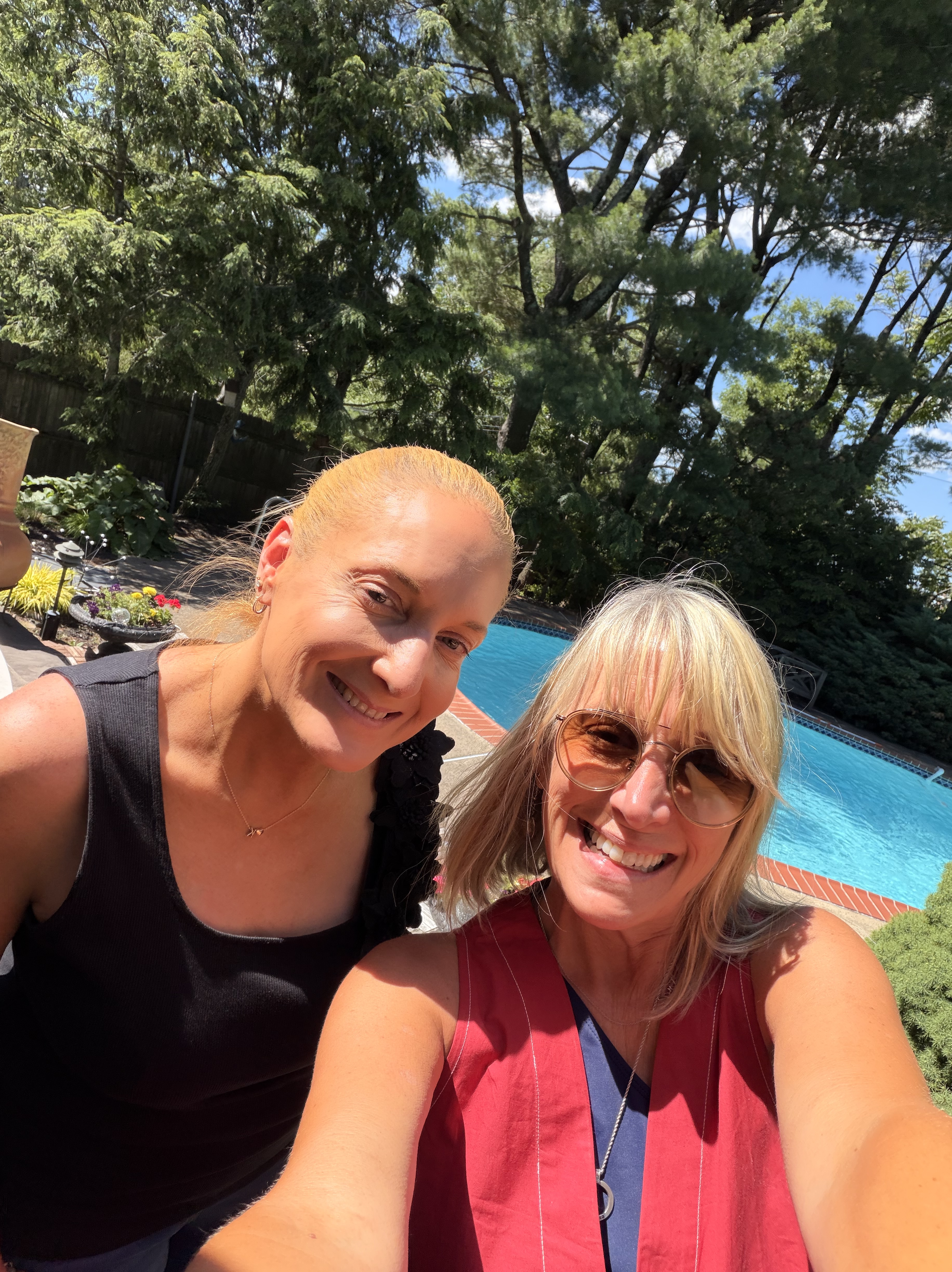
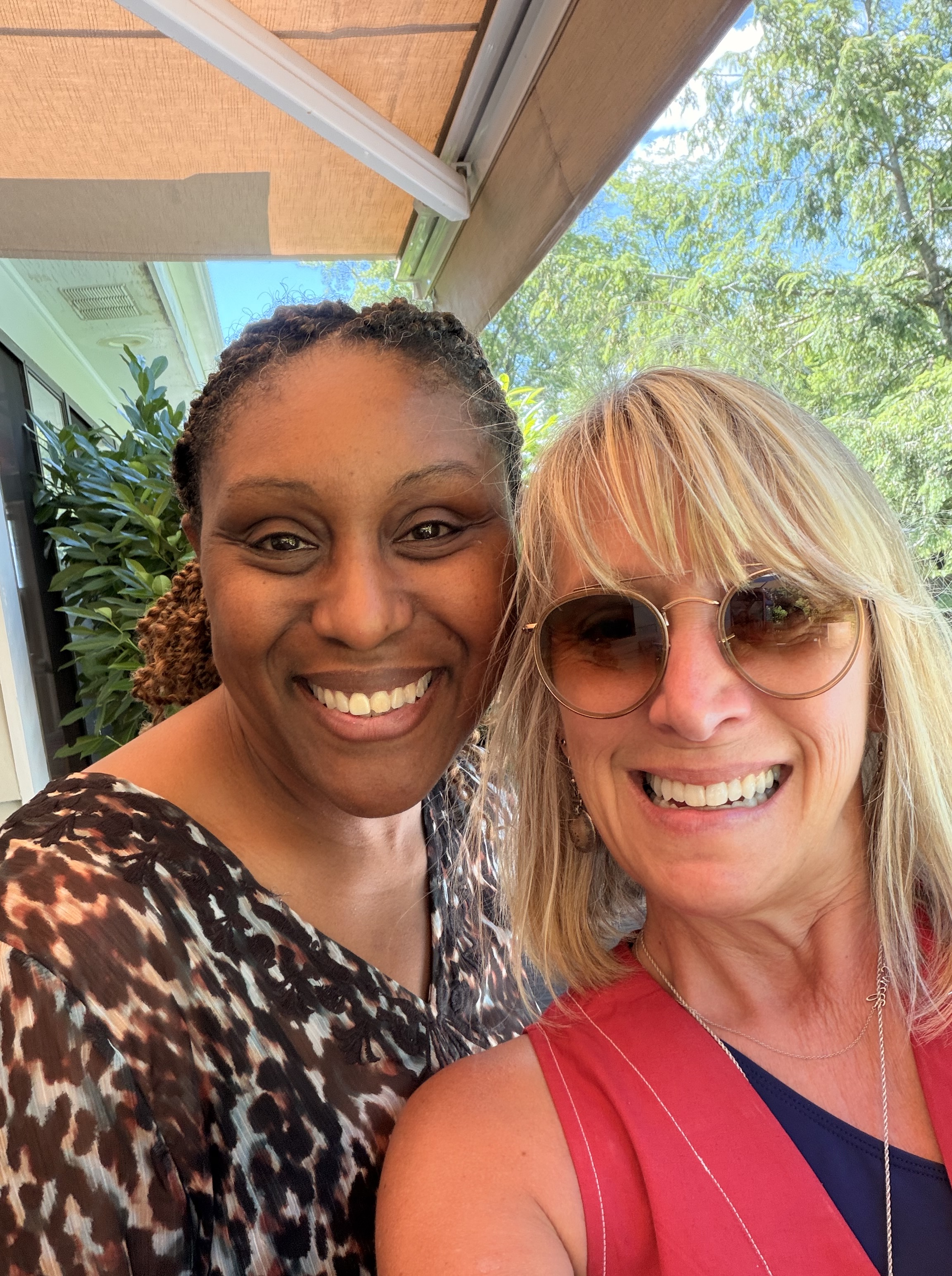
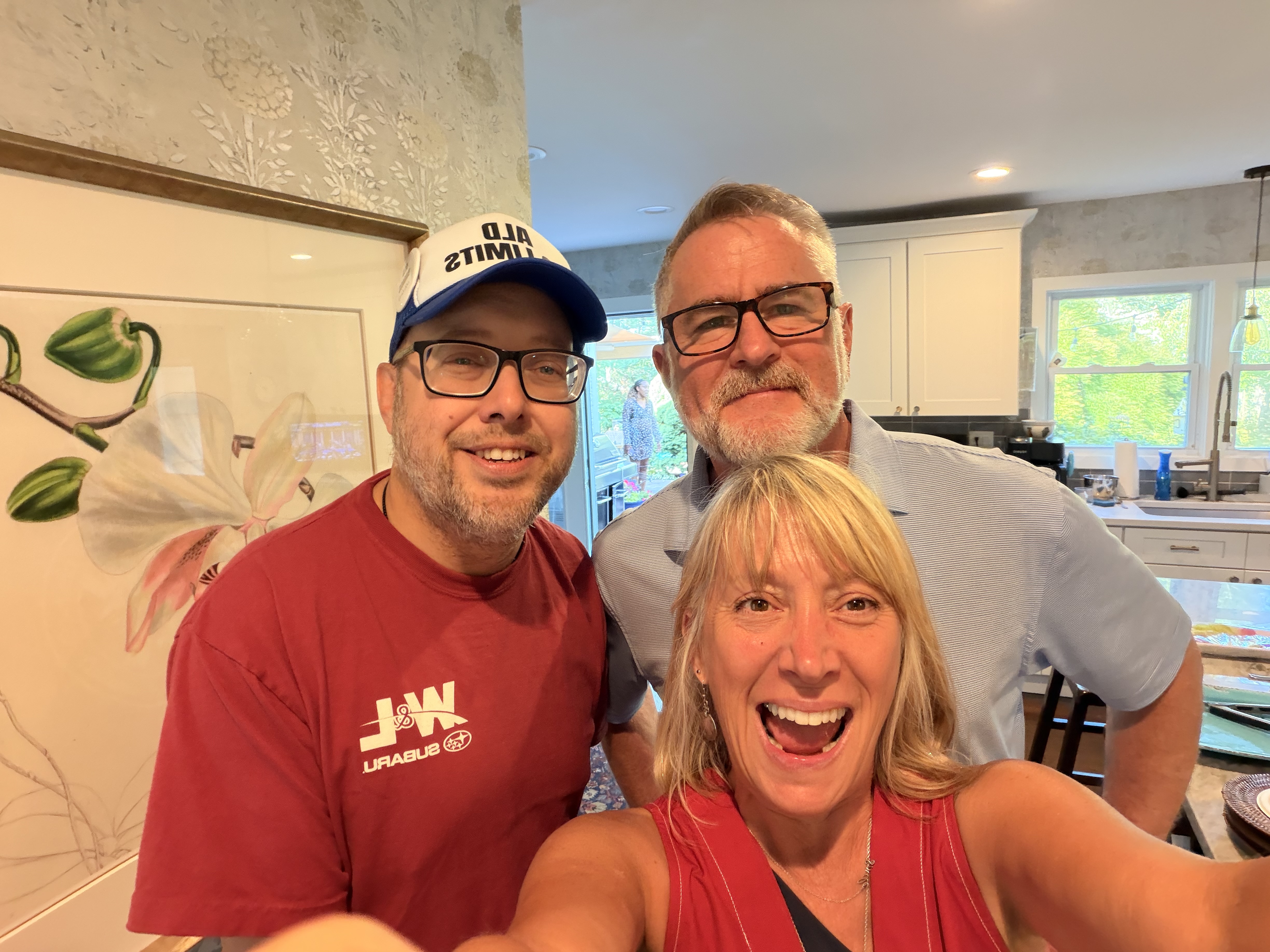
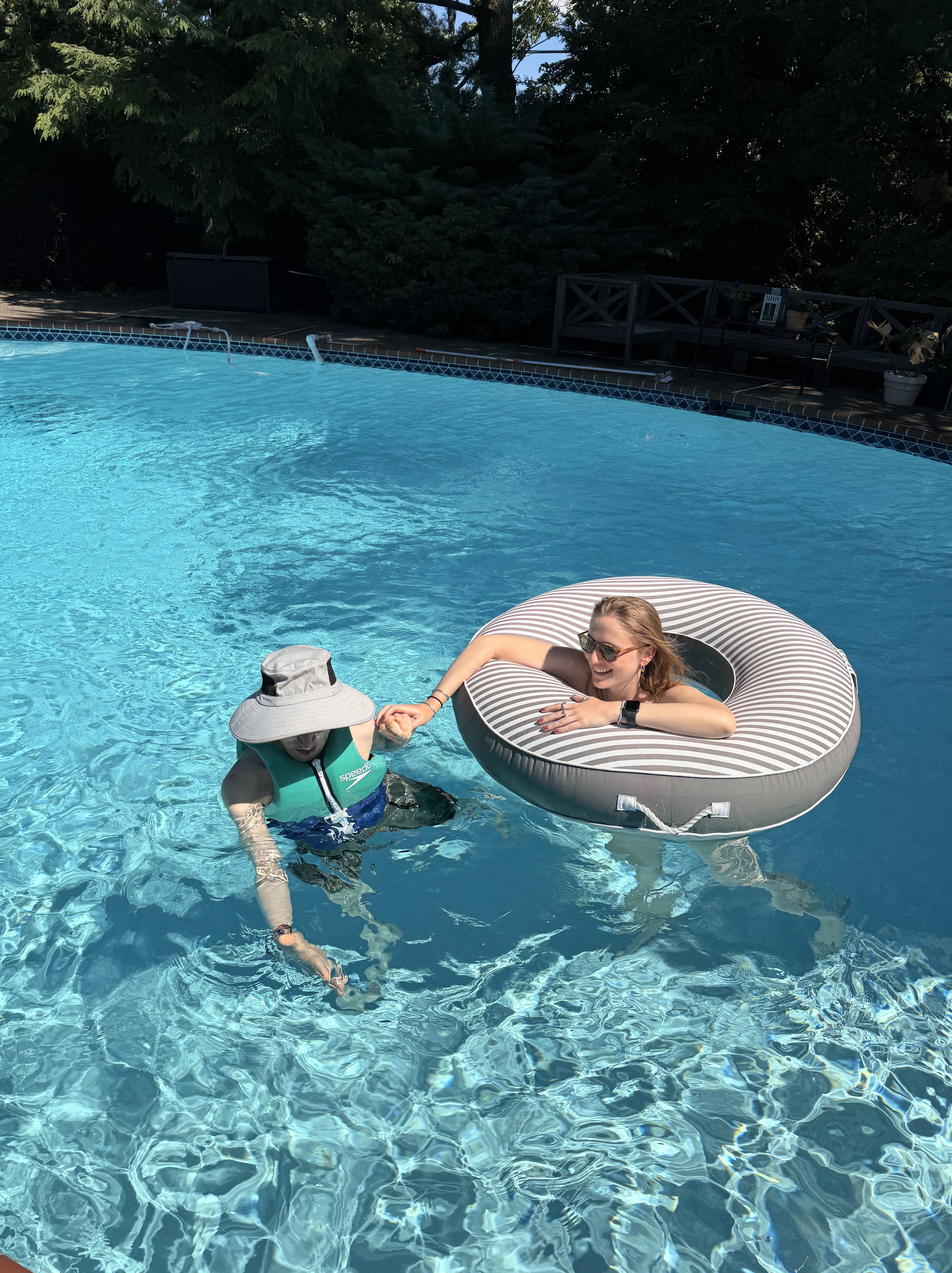
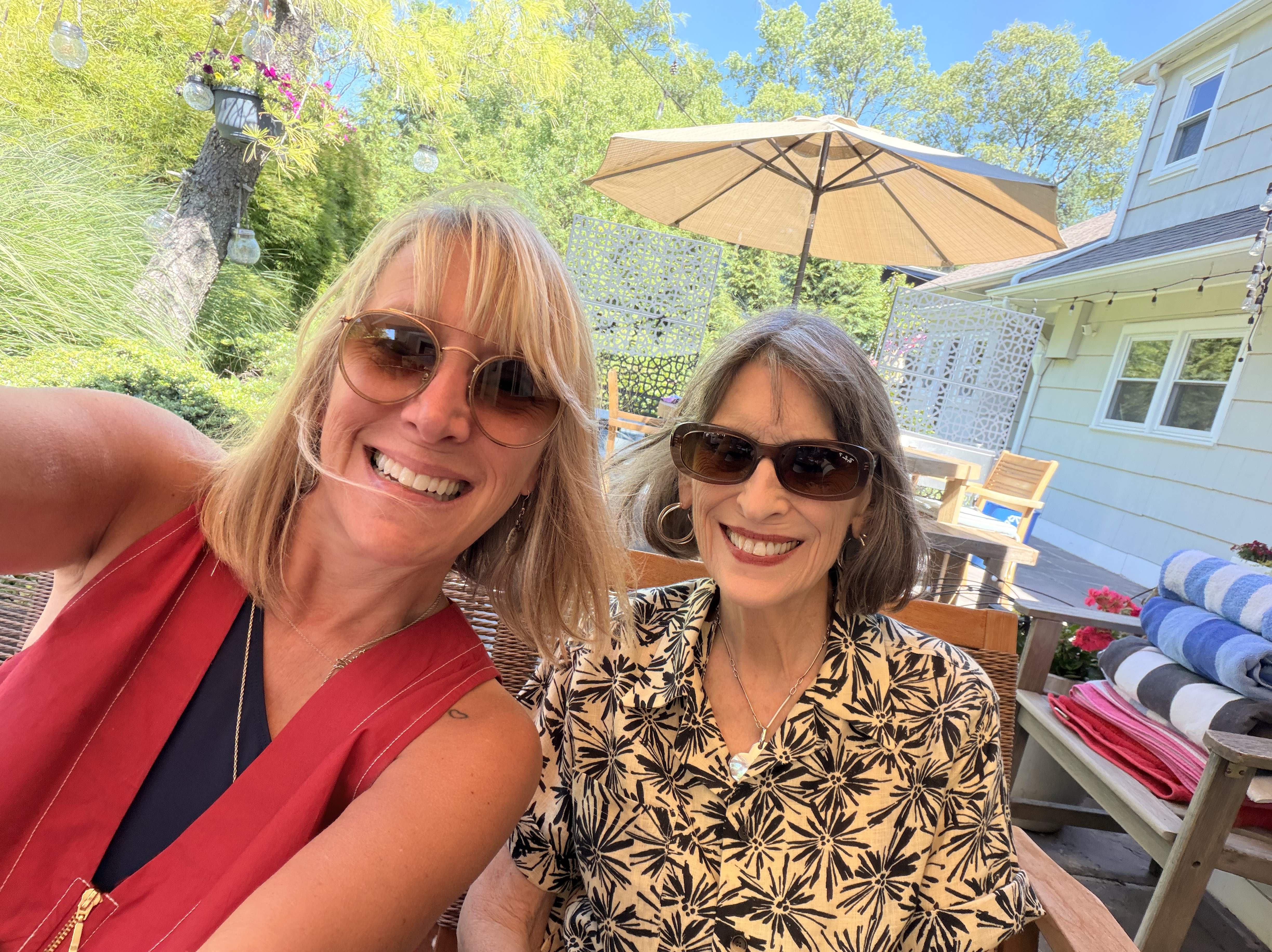
Last weekend, our family hosted an ALD Connect…ions gathering at our home. The invitation was simple: come swim, eat, talk, laugh, and spend time with people who understand life with ALD.
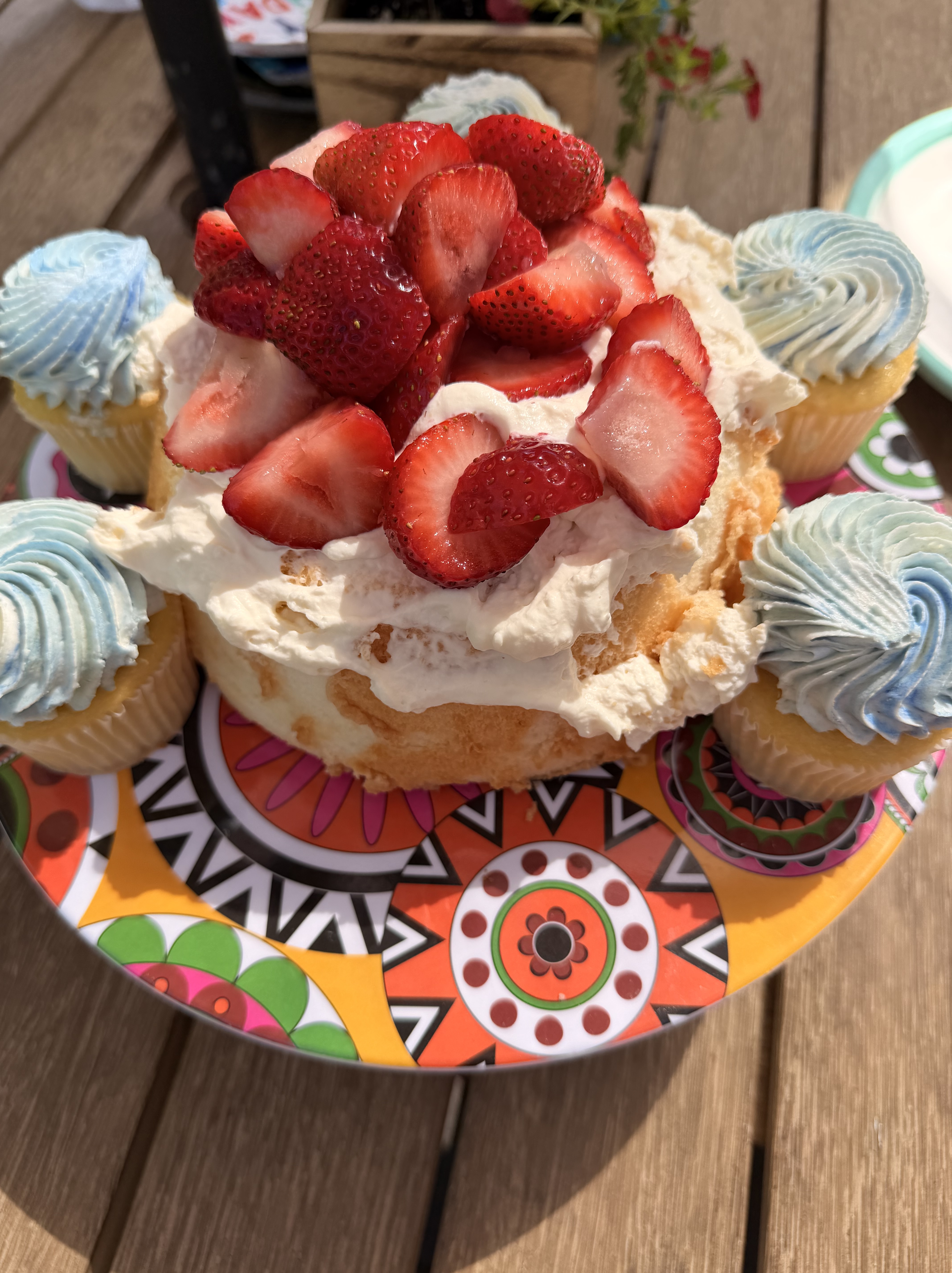
Folks came from as far away as Pennsylvania (thanks Ken). The weather cooperated beautifully. The pool was sparkling. The food was plentiful. We planned for a four-hour gathering. Eight hours later, people were still sitting around the patio telling stories. So much for the schedule!
One of the things I love most about our community is that conversations can move seamlessly from MRIs and adrenal insufficiency to travel plans, embarrassing poop stories, and even stories about injuries not related to ALD (next time you see Kelly ask her to show you the “shark bite” photo).
ALD can be isolating. Whether you’re living with ALD, caring for someone with ALD, or love someone affected by it, there are moments when it feels like nobody else could possibly understand. And then you find your people. You find the people who don’t need long explanations. The people who understand the language, the worries, the victories, and the losses. The people who can sit with the hard stuff and still laugh until everyone’s stomach hurts.
At one point during the afternoon, I looked around at the group and thought, this is exactly why community matters! Not because we all share the same story (ALD has many different phenotypes). Not because it makes ALD disappear. Not because it solves every problem. But because it reminds us that we don’t have to navigate any of it alone.
I attended my first ALD Connect conference 9 years ago and it was a life-changer. It felt like meeting lost relatives. Although I appreciated all the medical talk about treatments and research, what I really loved (and realized I REALLY NEEDED) was time with other ALD patients and caregivers. It was the meals and the breaks and the happy hours that provided me with the real gift — community.
But once a year was not enough!!! The ALD Alliance conference added another date on my calendar that included time with community (it’s such a great organization and their conference is always incredible), but still I craved more. I wondered, Do we need a conference to be with our people?
I was not alone.
ALD Connect is encouraging more ALD Connect…ions events. Whether it’s a backyard barbecue, a cup of coffee, a walk in the park, or a gathering around a pool — find your people. For a rare disease, we’re not SO RARE — current numbers show approximately 1/15,000 are affected by ALD. Soooooo, find the folks who understand — and make a plan. Then reach out to ALD Connect at info@aldconnect.org and they will send you an application to help off-set the financial end of the connection!
Our family will plan another event again before too long – stay tuned for details!! AND, don’t forget that this year’s ALD Connect Annual Meeting and Patient Learning Academy is in Salt Lake City November 6-7. I promise that it will include a whole lot of connecting!!!!
Community doesn’t cure ALD — But it sure makes the journey a lot better!
And, do not worry, there is also a lot of research happening too — END ALD!!!!!!!!!
Nineteen years ago we stood in Room 505 of Columbia Presbyterian’s Morgan Stanley Children’s Hospital watching a bag of donor cells slowly drip into our eight-year-old son’s body. There was no dramatic music (although there was a playlist thanks to Dan). No fireworks. No certainty. Just a team of experts, a frightened family, and a process that somehow felt both incredibly ordinary and impossibly miraculous.
Looking back, I think it may have been the ultimate example of trust and hope.
Trust that the doctors and nurses knew what they were doing. Trust that a stranger’s donated umbilical cord blood cells could find their way to where they needed to go. Trust that this terrifying journey would lead us back to the future that we had always expected.
And there was hope in Room 505 — so much hope.
At the time, I thought we were hoping Jack would get back to the life we had imagined for him before ALD entered the picture. I thought we were hoping things would return to normal – normal meaning typical – what we had known. Nineteen years later, I understand that wasn’t really what we were hoping for at all. What we were truly hoping for was that Jack would survive. That he would experience joy, friendship, laughter, purpose, and love. That he would know he belonged. That he would have more birthdays.
And he has.
Jack’s life may not be the life we once imagined. There are challenges we never anticipated. Piles of medications we still can’t pronounce. There are losses and limitations that ALD brought into our family’s story. But somewhere along the way, we stopped measuring Jack’s life against the life we expected him to have. And, we started appreciating that his life might be different, but that it is wonderful. We learned to sit with reality instead of fighting it. We learned to accept – and that acceptance is not giving up. Acceptance is making room for what is true.
And once we did that, something incredible happened.
We started to be able to enjoy Jack’s life. Not the imaginary version. Not the alternate timeline. His actual life. The one filled with hockey games, family vacations, inside jokes, stubborn determination, and countless moments that make us smile. The life that has brought us friendships we never would have found otherwise, careers we never considered, and an appreciation that a beautiful life may include g-tubes and diapers. It is a life that continues to teach us about resilience, gratitude, and the power of community.
Today, after having a nice morning of TV and yard work, Jack and I sat in the back yard eating lunch. We called Anna on FaceTime and sat for a while making each other laugh. Dan finished his yard work and joined us. I filled him in on what Jack had for lunch, how much liquid he had through his g-tube, and the large poop he’d taken on the toilet. We all cheered! This is our life and we wouldn’t trade it.
Nineteen years ago, as those donor cells entered Jack’s body, we didn’t know where our story would lead. We only knew we had to trust and hope. Today, nineteen years later, I’m grateful for the trust and hope that helped us survive AND I’m also grateful for every poop that lands in the toilet.
Happy Transplant Birthday, JackO! Thank you for showing us that a good life doesn’t have to look the way we expected to be beautiful.
There are many things I expected to discuss when we became part of the ALD community nearly two decades ago.
Bone marrow transplants? Sure. MRI results? Absolutely. Adrenal insufficiency? Unfortunately, yes. Sharing stories with a screen full of people about peeing myself in public? That one was not on my bingo card.
And yet there I was, with a bunch of ALD folks on the last ALD Connect mental health call — sharing stories, sharing tricks to masking pee stains, and in some cases — laughing with everyone until we all considered whether a quick trip to the bathroom might be wise.
It was perfect.
Not because urinary incontinence is glamorous (spoiler alert: it’s not), but because there’s something incredibly healing about being with people who truly get it. The ALD community has a remarkable ability to turn even the hardest, most awkward, most human experiences into moments of connection.
Nobody had to pretend. Nobody had to be cool. Nobody had to hide the realities of living in bodies that sometimes do unexpected things.
Instead, we laughed.
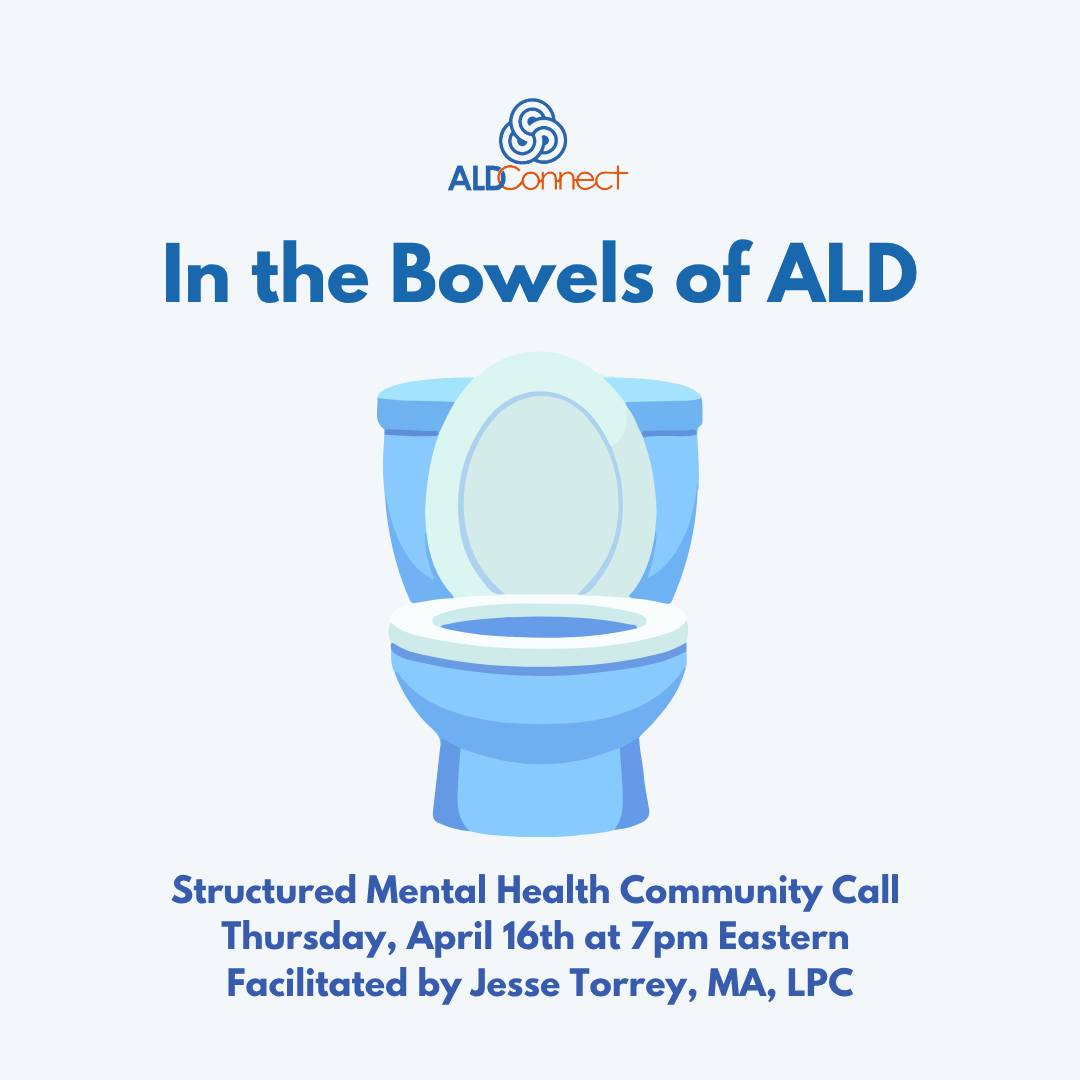
And beneath the humor was something deeper — safety. That’s exactly what this community has been for our family over the years – a safe place. ALD is heavy. There’s no way around that. But somehow, together, we are able to create spaces where we can all breathe a little easier, laugh a little louder, and feel a little less alone. In the last few months this ALD Mental Health call has included topics like Laughing Through the Leaks, In the Bowels of ALD, Carrying the Invisible Weight of ALD: Fear, Guilt and Resentment, Allowing Anger, Boundaries During the Holidays – Protecting Your Peace — all important topics, all raw topics and all difficult to discuss without feeling safe.
And now ALD Connect is encouraging more ALD connections — opportunities for people in the community to gather in person, share stories, and simply spend time together outside of hospitals, conferences, and Zoom screens.
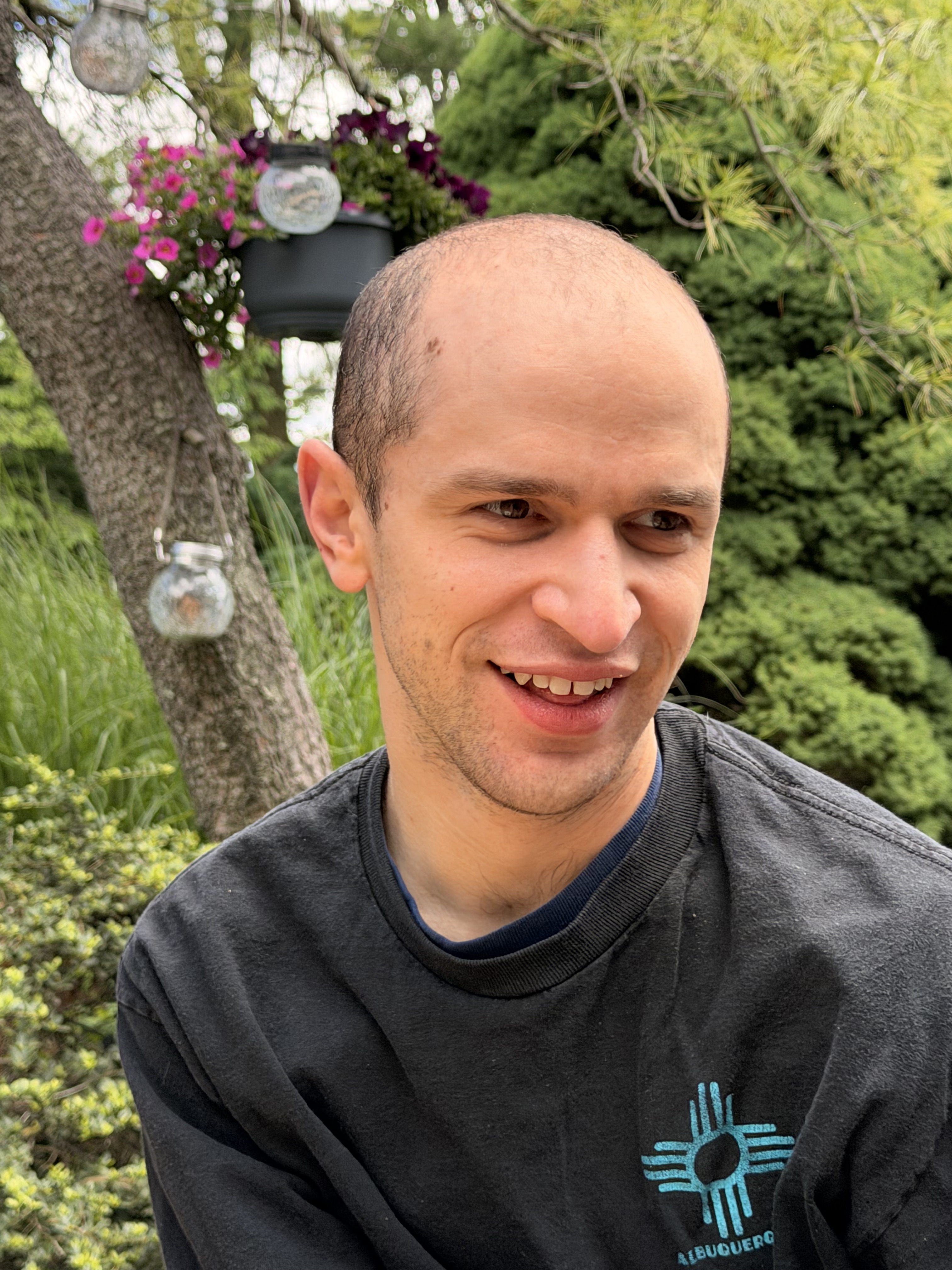
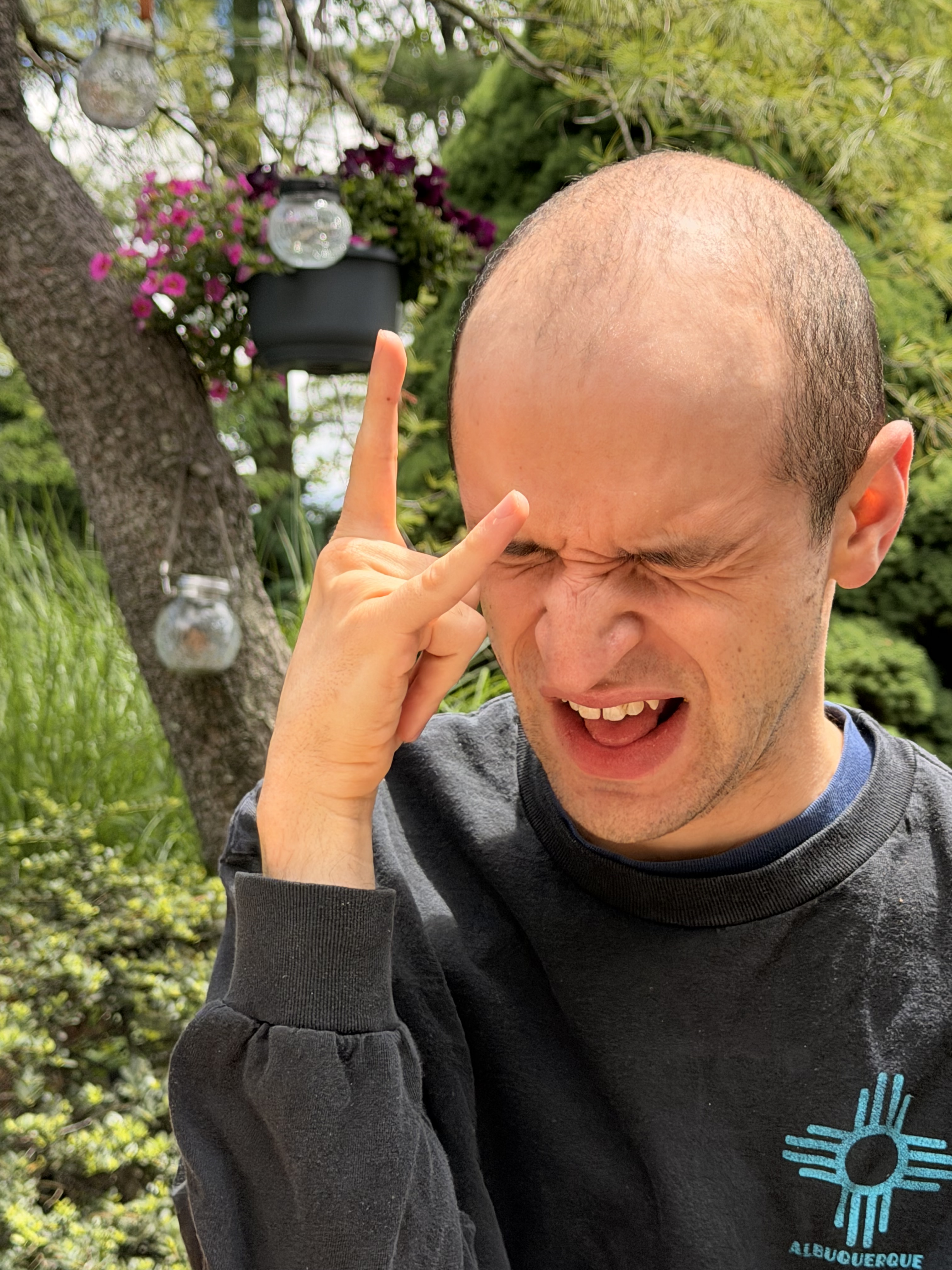
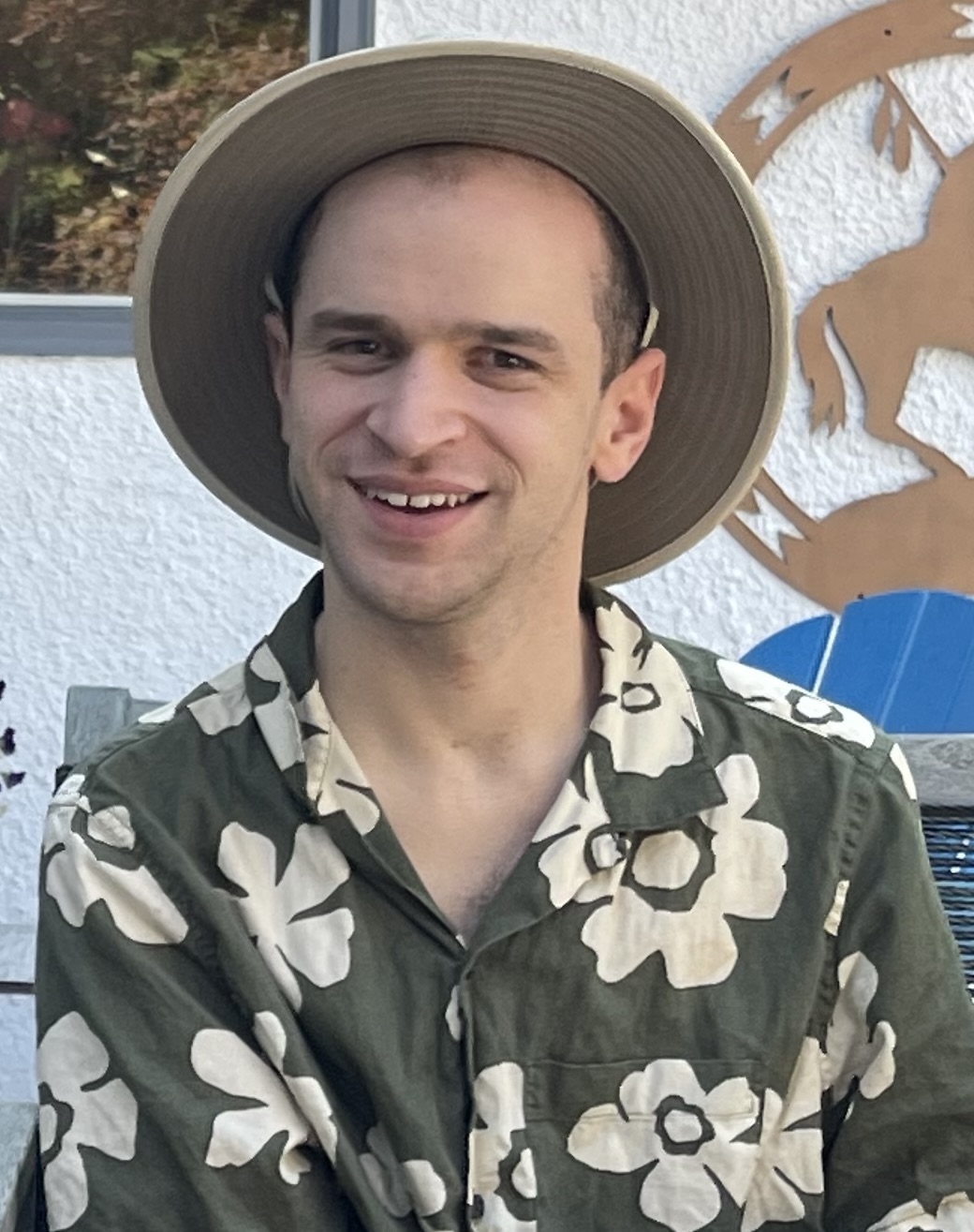
Grab a sun hat, a bathing suit, and your fav summer shirt and join JackO for some summer fun!
Our family is excited to host one of those gatherings at our home on June 20th.
We would love for ALD folks who live in or near NJ to join us for an afternoon around our pool — eating food, sharing stories, relaxing, and yes, probably laughing harder than our bladders can handle. Whether you’re a newborn screening family or a family with a beautiful boy with CALD or someone who has lost a loved one to ALD/AMN or a man or woman with ALD/AMN – all ALD folks are welcome!!! And, our house is comfortably accessible for any who may have mobility issues.
No perfection required — just people showing up exactly as they are. Which, in my experience, is where community begins.
Love, Jess
At the end of the mental health call, we always share a guided meditation. Here’s a bit from this month’s script:
Because community is not built through perfection. It’s built through honesty. Through vulnerability. Through laughter… Life is heavy sometimes, but laughter lightens the load. And community reminds us that we never need to carry it alone.
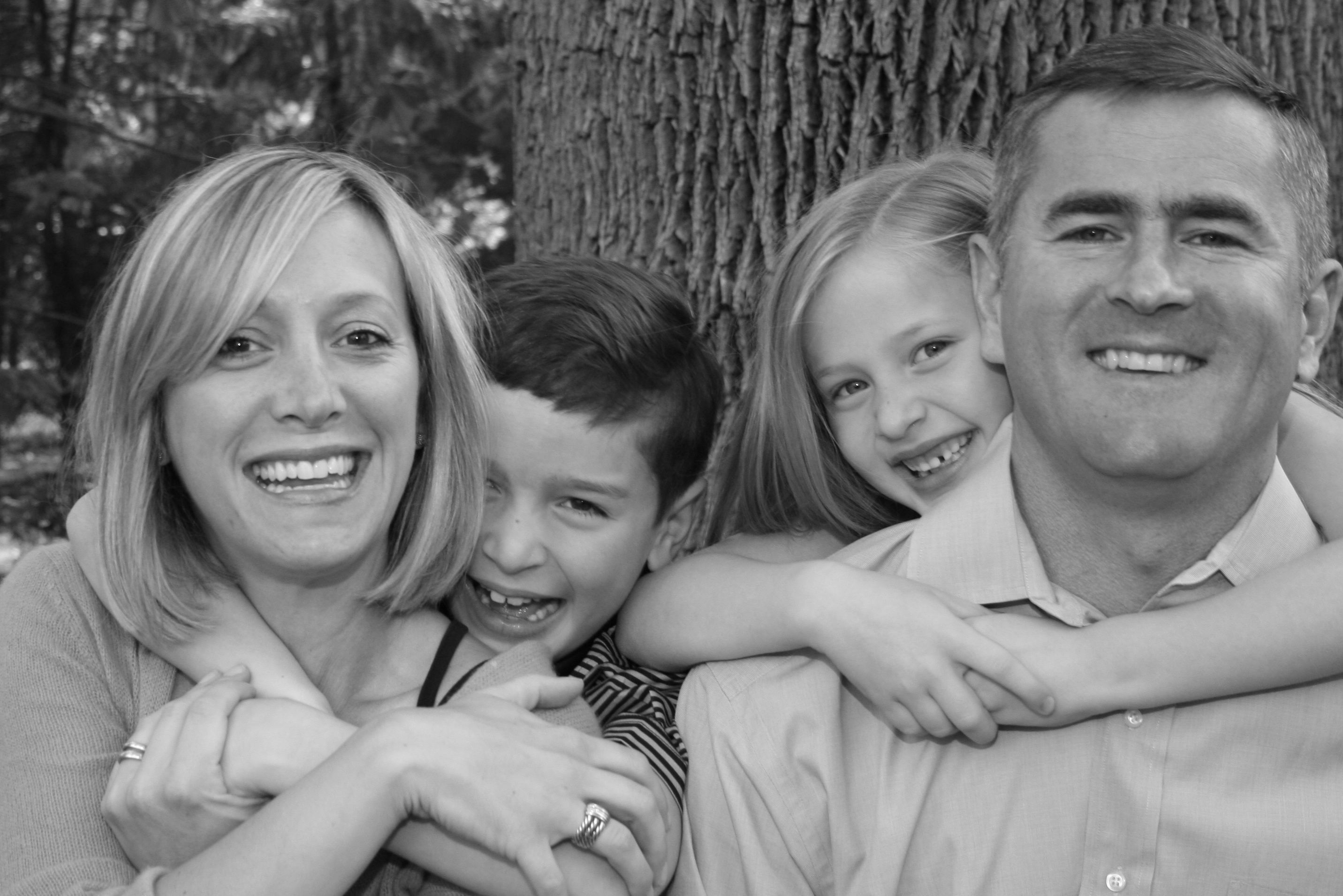
This photo was taken nineteen years ago. Jack had finally been diagnosed after months of struggling and ten days of intense in-patient testing. The doctors sent us home while they worked to come up with a plan and our dear friend, Kim Vivenzio, came over one afternoon to take some photos of our family. There is so much happening behind those smiles.
Nineteen years ago, we were suspended in time.
We had just received Jack’s ALD diagnosis, and suddenly everything we thought we knew about the future dissolved. We weren’t moving forward, but we weren’t standing still either. We were in a holding pattern — waiting for our team to find a donor, waiting for a plan, waiting for something solid to hold onto.
We felt powerless.
We had to learn to trust. Trust the doctors. Trust the process. Trust that somehow, something would come together. Trust that Jack would survive.
But trust, in those moments, didn’t feel strong or inspiring. It felt fragile. It felt like choosing to believe when you have absolutely no evidence that things will be okay. Nineteen years ago, hope needed to live right alongside trust. Not loud, not flashy—just steady. A quiet voice that said, keep going, keep breathing, keep believing that there will be a next step. Keep believing that Jack will survive – that our family will survive.
That combination — trust and hope — carried us through. Not just then, but through the years that followed.
Because here’s the thing about a holding pattern — it doesn’t always end when you think it will. It didn’t end on Jack’s transplant day or Day 100 or when he returned to school. Life with ALD has a way of bringing you back to that holding pattern again and again. Different circumstances, different fears, but the same feeling of waiting, of not knowing. Of needing to trust and hope.
Over time, something else joined trust and hope – acceptance. Not resignation. Not giving up. But a deeper understanding of what we can and cannot control.
We learned to loosen our grip on the unknown and hold more tightly to what was right in front of us — our family, our friends, our moments, our small victories. We learned that appreciation isn’t something that comes after things get better. It’s something you MUST practice in the middle of the uncertainty.
Lately, I’ve been spending more time listening to families who are newly diagnosed with ALD. Their holding pattern looks different. Their boys are healthy. They are living full, beautiful lives. And yet, they are needing to find a team of doctors and monitor their boys (including those tough MRI days). There’s this quiet question always present: if… when… will things change?
It’s a different kind of holding pattern. Not in the middle of a storm, but a constant undercurrent of uncertainty. There’s no immediate crisis, no urgent plan—but there is the weight of not knowing. That kind of waiting can be just as heavy.
Different stories. Different timelines. But the same need to trust and hope and accept.
We all need to learn how to trust without guarantees. We all need to hold onto hope, even when it feels fragile. We all have to find a way to accept what we cannot control. Holding patterns are uncomfortable, but they also shape us. They teach us how to stay present, how to pause and be grateful, how to love deeply, how to live fully—even when the future feels uncertain.
Nineteen years after Jack’s diagnosis, I can say that sometimes we feel like we are still in a holding pattern, but we know how to trust and hope and accept. AND, we are forever grateful for all of our smiles and duct tape.
I was scrambling yesterday afternoon. I got home from work and had one hour to make dinner, feed Tupelo, feed and medicate Jack and get ready for an ALD Connect call. 40 minutes in I felt like a rock star. Jack and I were eating diecious chicken thighs, egg noodles and even some salad. I was almost relaxed as I left Jack in front of CNN for a minute as I went to put a brush through my hair, but when I walked back into the room Jack was in tears. While lately I too find myself crying while watching the news, this was different. His tears were primal. I looked at the TV screen and there it was – a St Jude’s commercial — it gets him every time. I got Jack up off his stool to give him a hug while I reminded him that those kids are all getting the help they need thanks to science and the generous donations of people like us;-). That is when I noticed that Jack hadn’t just let go of emotion — he had a massive poop in his pants.
I had exactly five minute to get him cleaned up before the start of the call. We were out of wipes which were quickly replaced by wet paper towels and his clothes all landed in the laundry because somehow his diapers (he wears two at a time) hadn’t managed to complete their job. I did a quick clean of the bathroom, sat Jack in front of his show – not CNN – and quickly sent Dan a note explaining why Jack was just wearing diapers and that he could use a shower before bedtime. Then I took a deep breath and sat down to facilitate ALD Connect’s monthly Stuctured Mental Health Call. This month’s topic was In the Bowels of ALD.
If the story above made you cringe, you would not have enjoyed the call. If the story made you laugh and think of some stories of your own, then perhaps you or someone you love has ALD (or another fabulous condition that has glamorous symptoms like fecal incontinence).
I can’t share much from last night’s call, but it was incredible. Some folks gave valuable advice of things that have helped their smelliest of symptoms. Some people shared what they keep on hand when heading out in public. And some people shared their best poop story. The chat was on fire with all sort of added information and everyone on screen was frantically nodding their heads and encouraging each other. And, we all laughed. We laughed a lot.
I left the call as I always do — feeling grateful to have a community where I feel safe. Safe enough to be completely myself. Safe enough to share my fears. AND safe enough to share a shitty story.
I end each of these calls with brief guided meditation.
Letting Go of the Embarrassment
Take a moment to get comfortable. Let your body settle… feet grounded… shoulders soft.
Gently close your eyes, if that feels okay.
Take a slow breath in through your nose… and exhale through your mouth.
Again… in… and out.
Now bring to mind a moment of embarrassment. Maybe something small… or maybe something that still makes you cringe a little.
And if it happens to be one of those moments… a very human, very real, body-related moment… you’re in the right place.
Just notice what comes up.
Where do you feel it in your body? Maybe in your chest… your stomach… your face.
You don’t need to push it away.
Just notice… and breathe.
Now gently remind yourself:
“I am human.”
Bodies do what bodies do. They are not always neat or predictable or convenient.
And every single person you know—every single one— has had moments like this.
You are not alone in this.
Imagine placing that moment in front of you, like a small object you’ve been holding tightly.
Notice how much energy it takes to hold onto it.
And now… imagine loosening your grip.
You don’t have to throw it away. You’re just holding it more lightly.
See if you can add a touch of kindness… maybe even a hint of humor.
A soft voice inside that says:
“Of course that happened. I’m human.”
Maybe even:
“This is part of our disease but it’s also part of being alive.”
Take another slow breath in… and out.
Let the tightness soften just a little.
Let the story become less heavy.
You are allowed to be imperfect. You are allowed to have a body. You are allowed to let this go.
When you’re ready, bring your awareness back to the room… your breath… your body.
And carry with you a little more ease… a little more compassion… and maybe even a small smile.
You’re doing just fine.
Whether you have ALD or not, you have moments that you may not want to share on a zoom call. BUT if you have ALD, you have a community who is here for you to hear your story – and laugh with you.
Not just in the big, life-altering, soul-stretching ways, but also in the very real, very human, very messy, very smelly, very unglamorous ways.
Yes… I’m talking about poop.
If you love someone with ALD — or live with it yourself — you have a poop story. Actually, you probably have many. Stories that make you cringe. The kind you never imagined would become part of your arsenal of cocktail-party stories.
But last month at the ALD Alliance conference, something amazing happened.
At dinner one night, a few of us started sharing our poop stories. The stories continued the next day around the conference and then when we went for drinks and ax throwing (ALD Alliance knows how to plan a fantastic event;-)).
As we shared our stories, instead of embarrassment… there was laughter. Real, deep, can’t-catch-your-breath laughter. The kind that only happens when you’re with people who get it. No explaining. No apologizing. In fact, we were all kind of trying to one up each other.
Telling these stories is not just about telling these stories. Telling these stories allows us to own them. Allows us to stop hiding and appreciate that there should NOT be shame in battling things we can’t control. Finding community that is there to listen and who understands is a gift. AND if we can laugh together, then it’s more than finding glitter in a pile of shit –- it’s proving that we are stronger than our symptoms.
I won’t share any of Jack’s or my personal stories here, but let’s just say that Jack has left gifts at such remarkable places as The Boboli Gardens in Florence and in the parking lot at SPAC following a wonderful Dead and Co show AND I travel everywhere I go with a roll of toilet paper. My family knows when I say the words, “I need to go”, it doesn’t mean let’s make a stop at the rest area five miles ahead.
As we were trying to come up with the next topic for ALD Connect’s Structured Mental Health call, I thought, let’s dive in and share some poop stories. It may provide people some great advice and treatments AND I know it will also provide us all with a safe space to share AND to laugh together.
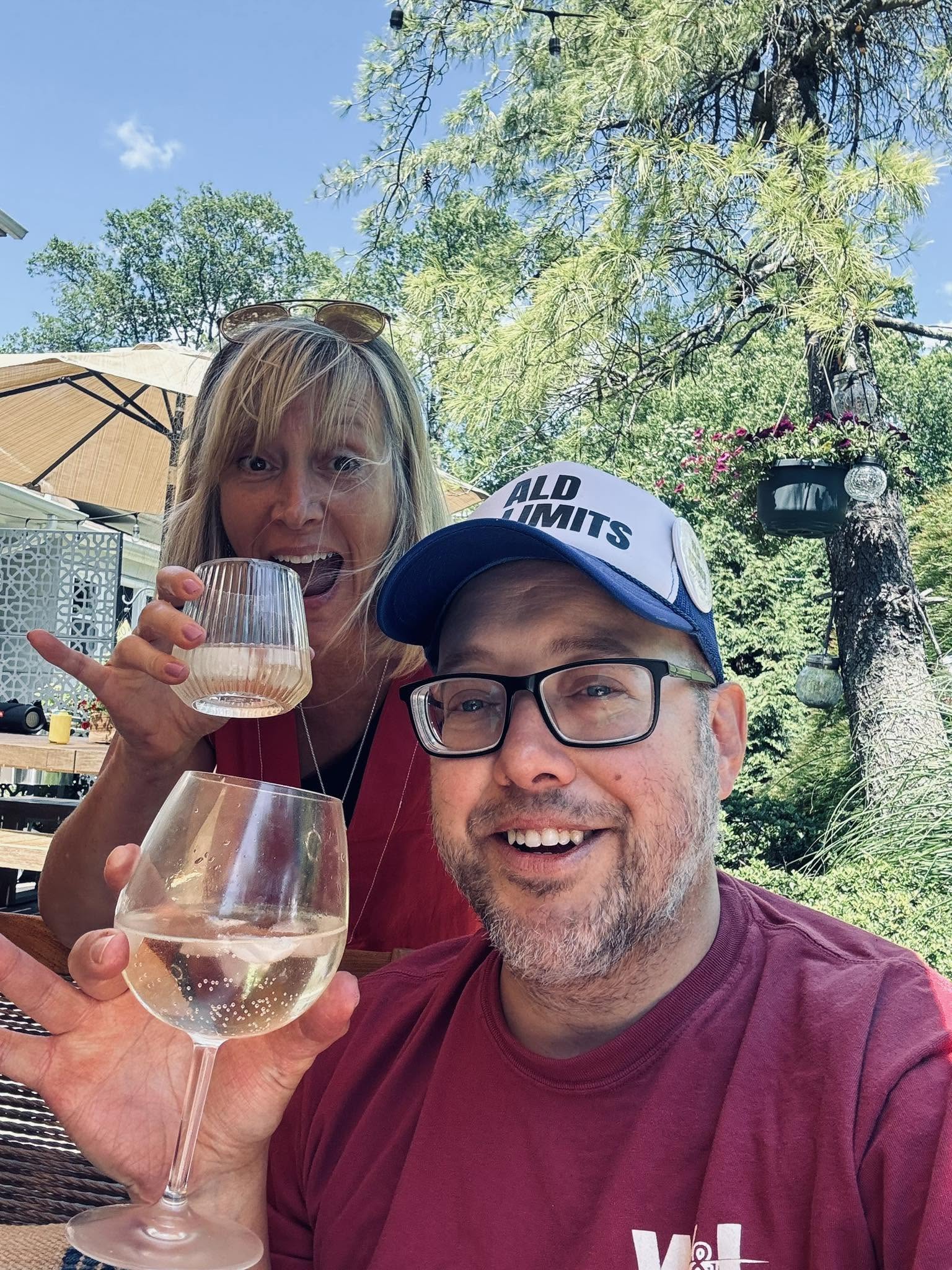
Our friends Ken and Christie of ALD No Limits – who each may or not have some stories themselves – are talking about doing a poop episode on their podcast. Can’t wait to hear that one, but for now we will do it a little more privately. The call will not be taped so ALD folks – think of your best I cant’ believe this actually happened story and come join the fun.
Let’s take the shame out of things we can’t control and let’s turn embarrassment into laughter.
I’ve said it before and I’ll say it again — ALD — shitty disease/great people!!!!!!!!!
Love, Jess
AND I know that many of you non-ALD folks have stories of your own … after all, everyone poops. I think the world would be a little better if we all shared that sometimes our bodies have minds of their own.