Living with ALD can be lonely. Sometimes it feels like we’re speaking a language nobody else understands. But put a bunch of ALD families and doctors and researchers in one room, and suddenly you don’t have to explain everything. People just get it!
There will be incredible doctors, researchers, and important information. There will also be breakout sessions and Ambassador Drinks and patient panels and an auction and even a little talk about life between appointments (I guess I should start prepping that one). But for me, the real magic happens in the hallways (and bathrooms — it is an ALD conference), over meals (and maybe a drink or two), and during conversations that turn strangers into friends.
We laugh, we cry, we share stories that would probably horrify people outside the ALD world. And somehow, we leave feeling a little lighter.
Community doesn’t cure ALD, but it sure makes living with it easier!
Registration is closing soon. Don’t miss the chance to find your people—or reconnect with the ones who already feel like family.
Hope to see you there!
Love, Jess
PS Did I mention that if you come you get to visit beautiful Salt Lake City!
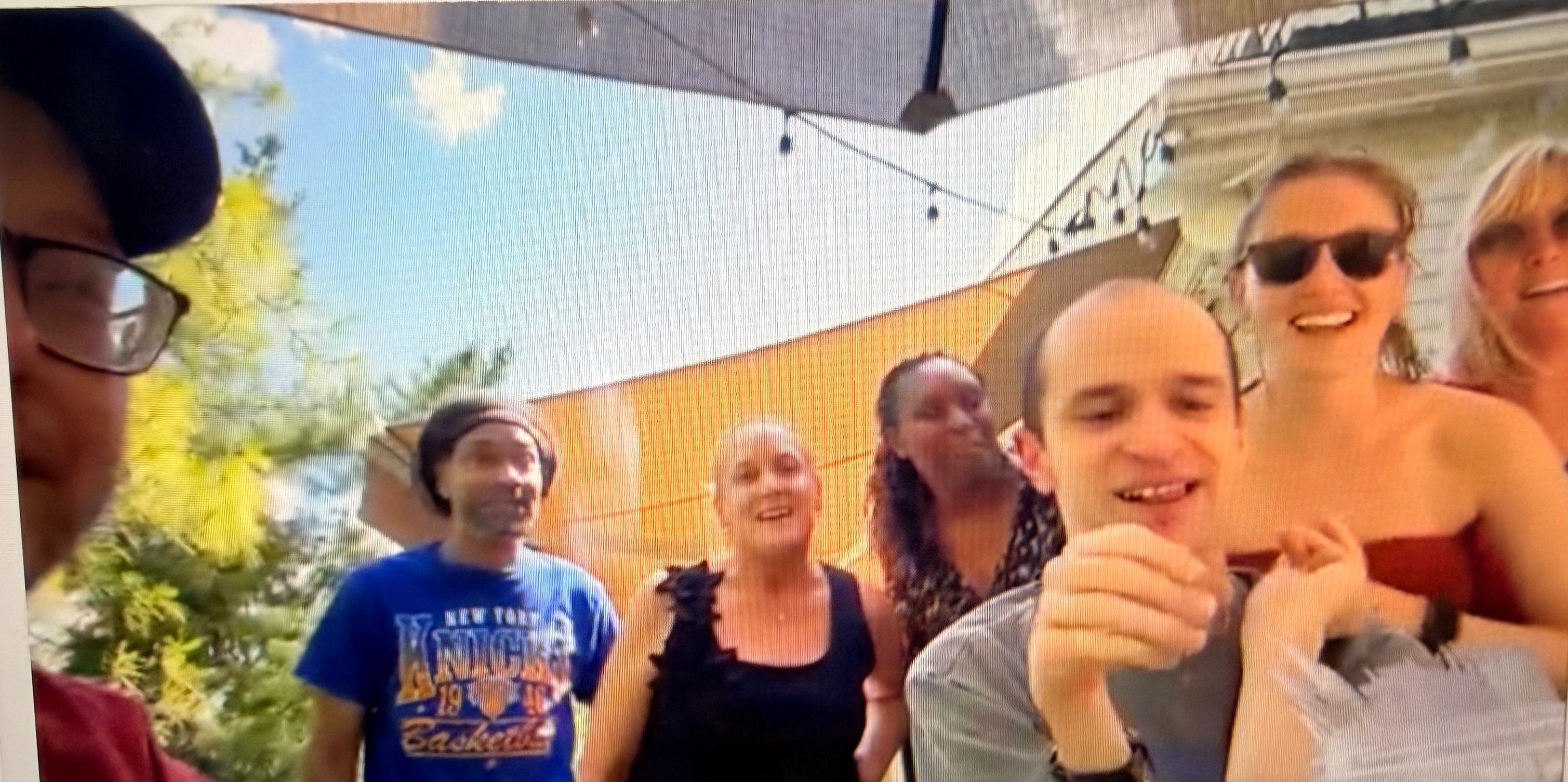
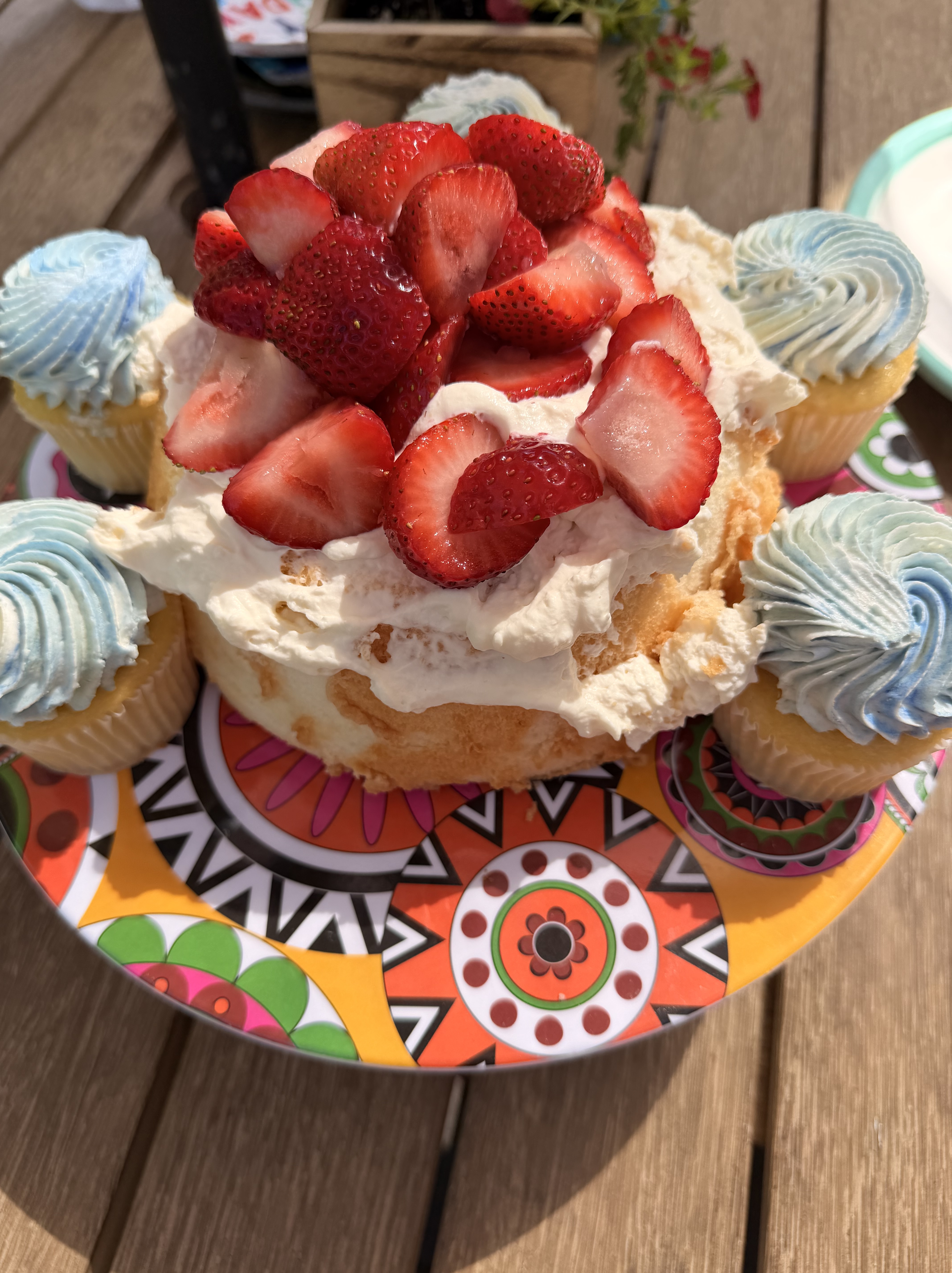
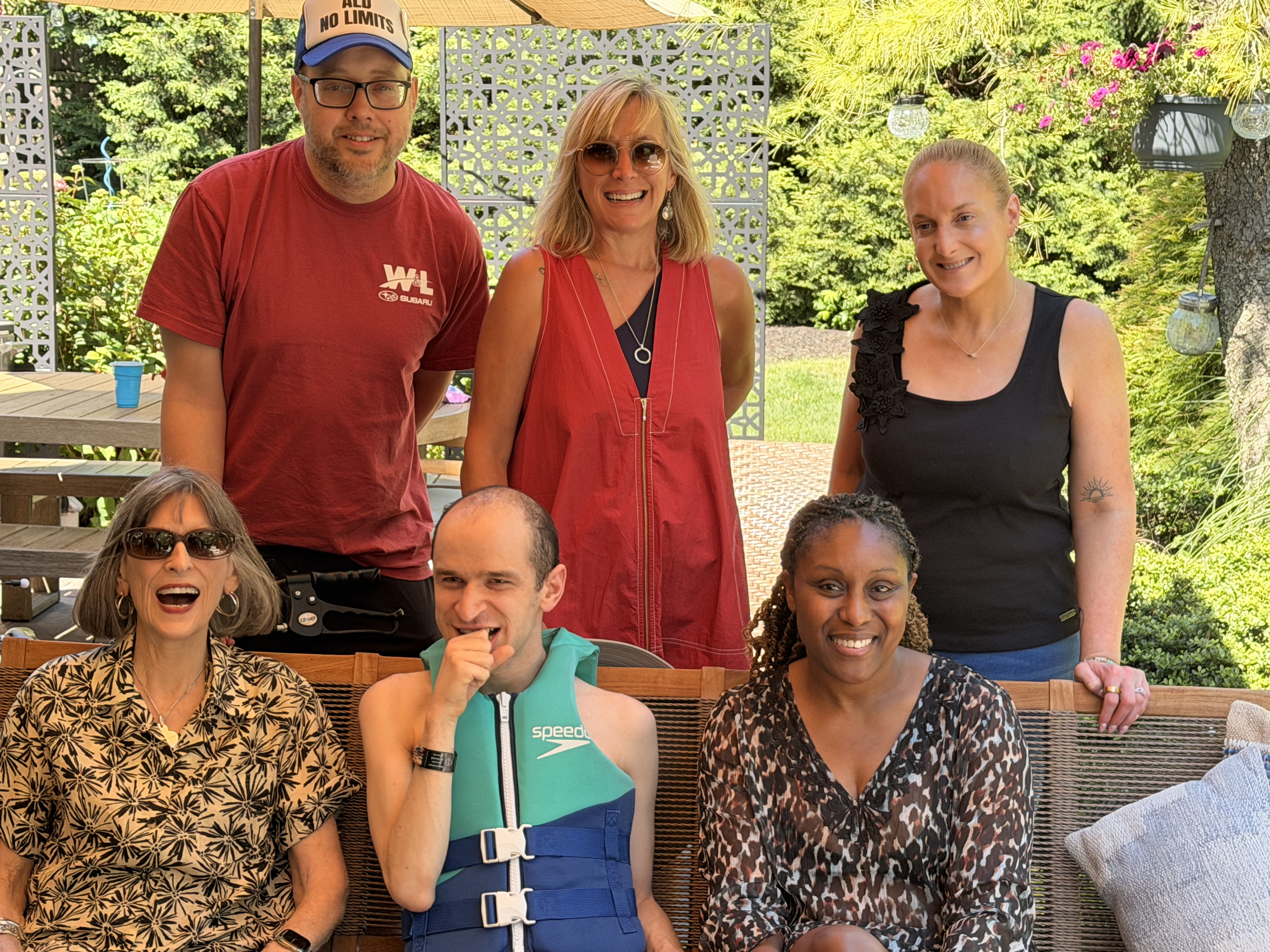
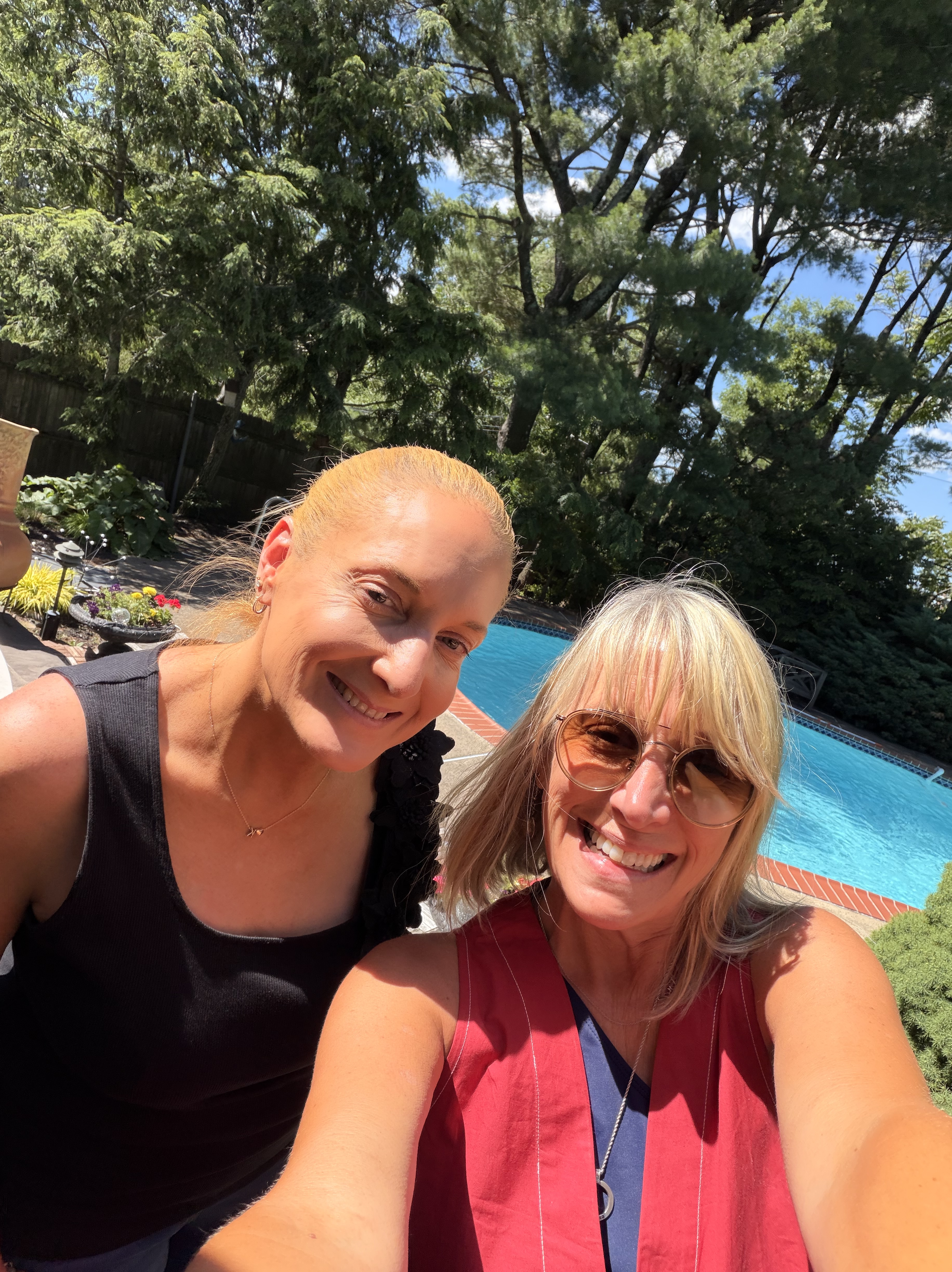
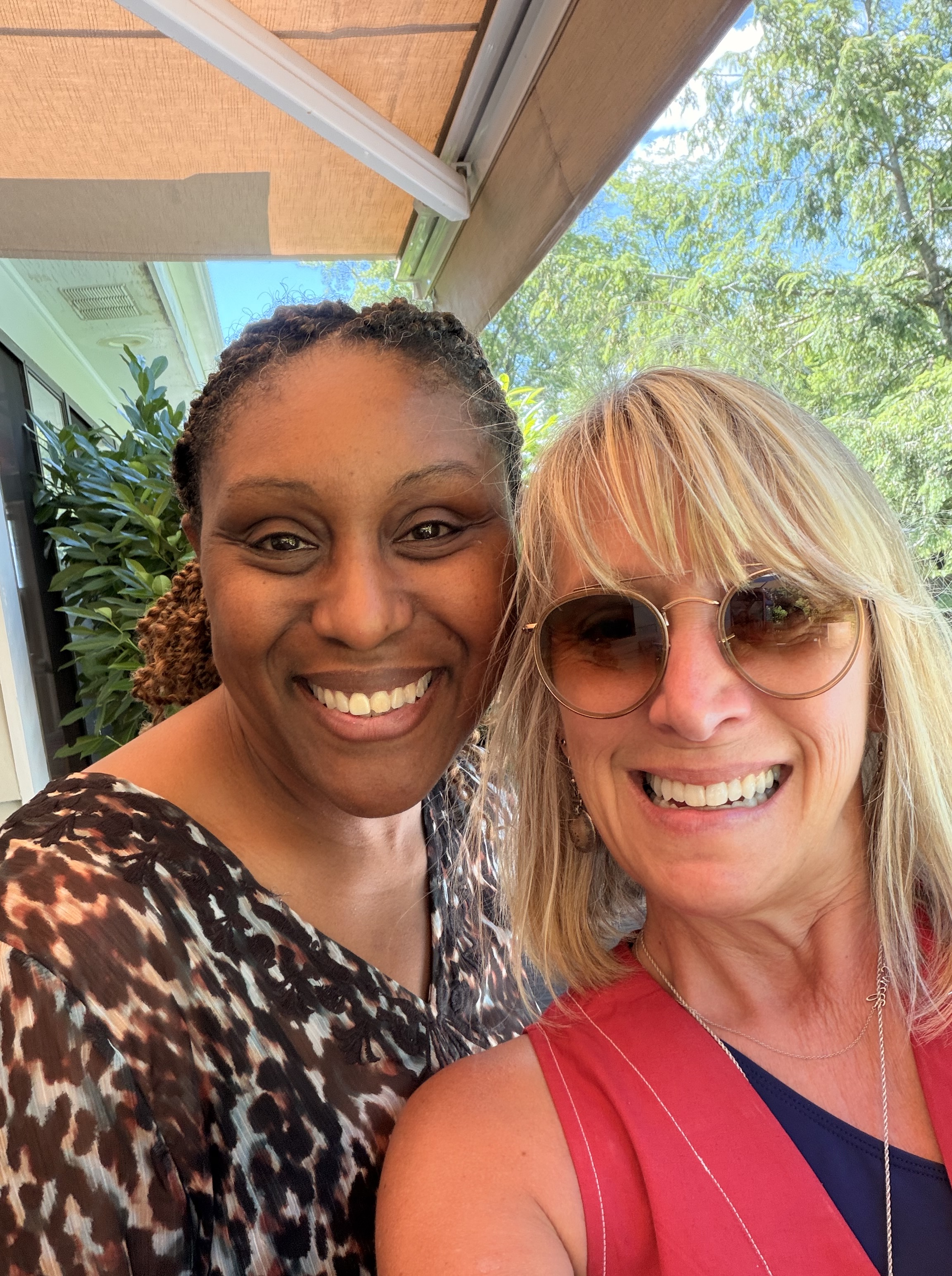
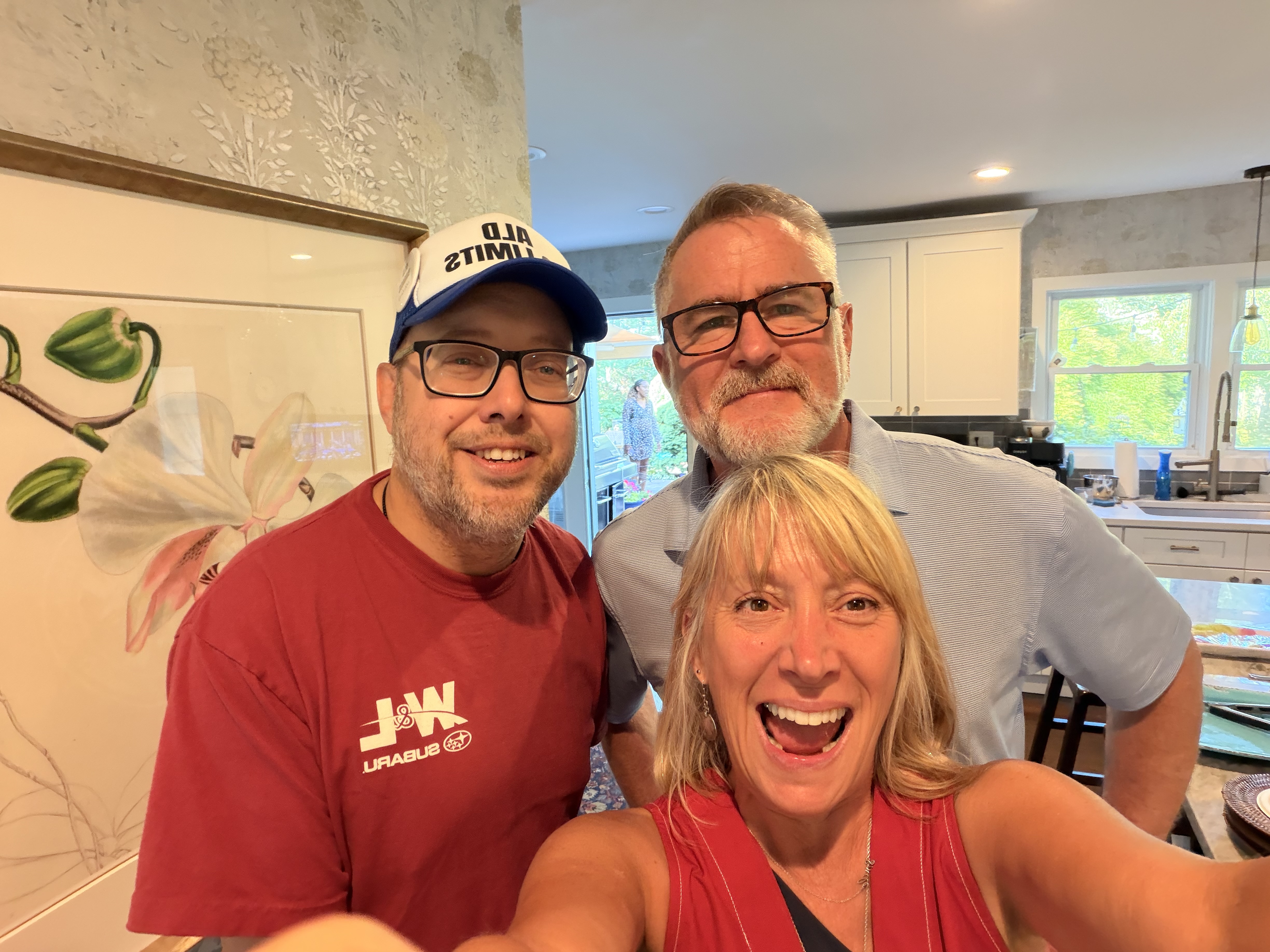
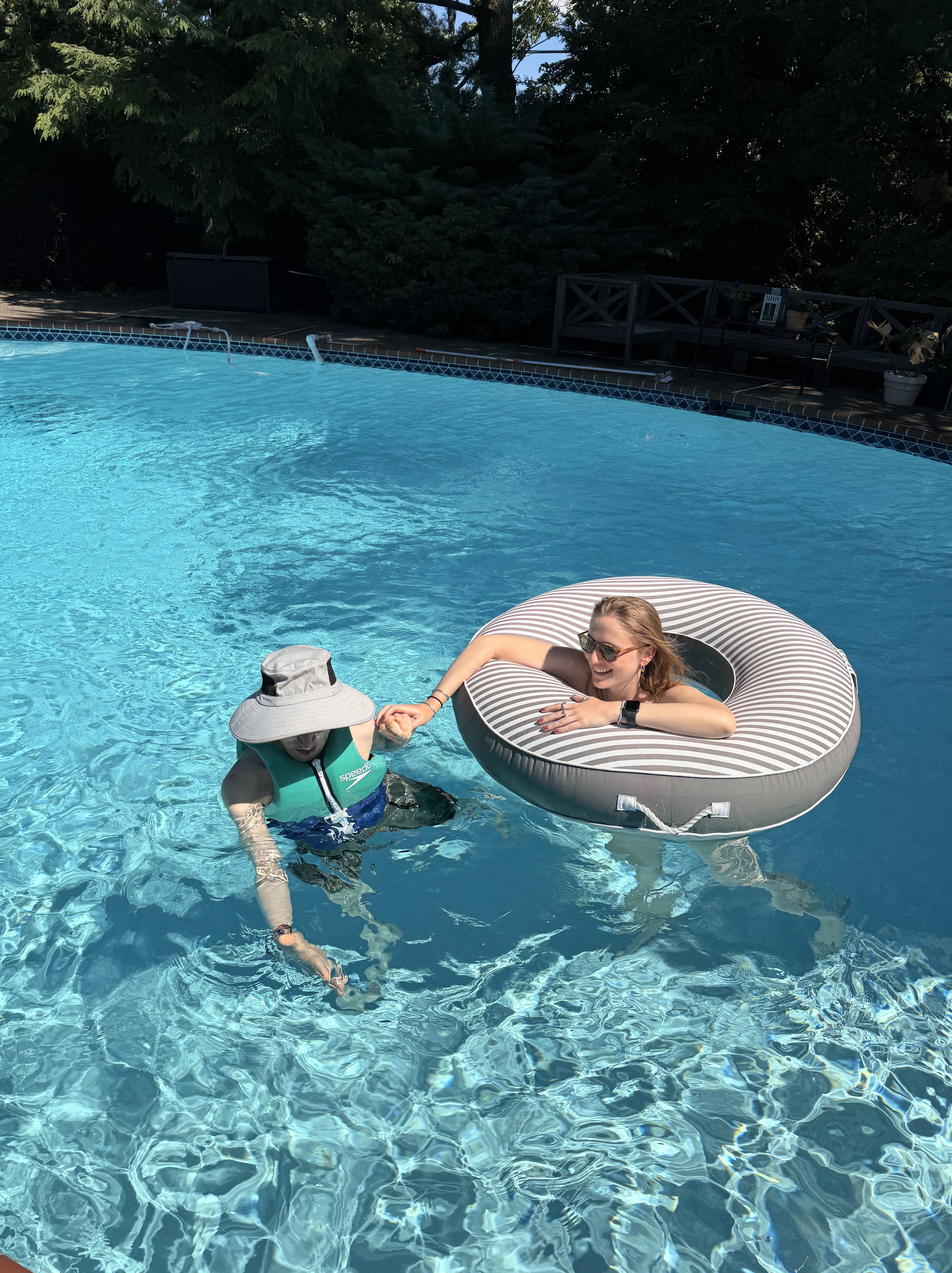
Last weekend, our family hosted an ALD Connect…ions gathering at our home. The invitation was simple: come swim, eat, talk, laugh, and spend time with people who understand life with ALD.
Folks came from as far away as Pennsylvania (thanks Ken). The weather cooperated beautifully. The pool was sparkling. The food was plentiful. We planned for a four-hour gathering. Eight hours later, people were still sitting around the patio telling stories. So much for the schedule!
One of the things I love most about our community is that conversations can move seamlessly from MRIs and adrenal insufficiency to travel plans, embarrassing poop stories, and even stories about injuries not related to ALD (next time you see Kelly ask her to show you the “shark bite” photo).
ALD can be isolating. Whether you’re living with ALD, caring for someone with ALD, or love someone affected by it, there are moments when it feels like nobody else could possibly understand. And then you find your people. You find the people who don’t need long explanations. The people who understand the language, the worries, the victories, and the losses. The people who can sit with the hard stuff and still laugh until everyone’s stomach hurts.
At one point during the afternoon, I looked around at the group and thought, this is exactly why community matters! Not because we all share the same story (ALD has many different phenotypes). Not because it makes ALD disappear. Not because it solves every problem. But because it reminds us that we don’t have to navigate any of it alone.
I attended my first ALD Connect conference 9 years ago and it was a life-changer. It felt like meeting lost relatives. Although I appreciated all the medical talk about treatments and research, what I really loved (and realized I REALLY NEEDED) was time with other ALD patients and caregivers. It was the meals and the breaks and the happy hours that provided me with the real gift — community.
But once a year was not enough!!! The ALD Alliance conference added another date on my calendar that included time with community (it’s such a great organization and their conference is always incredible), but still I craved more. I wondered, Do we need a conference to be with our people?
I was not alone.
ALD Connect is encouraging more ALD Connect…ions events. Whether it’s a backyard barbecue, a cup of coffee, a walk in the park, or a gathering around a pool — find your people. For a rare disease, we’re not SO RARE — current numbers show approximately 1/15,000 are affected by ALD. Soooooo, find the folks who understand — and make a plan. Then reach out to ALD Connect at info@aldconnect.org and they will send you an application to help off-set the financial end of the connection!
Our family will plan another event again before too long – stay tuned for details!! AND, don’t forget that this year’s ALD Connect Annual Meeting and Patient Learning Academy is in Salt Lake City November 6-7. I promise that it will include a whole lot of connecting!!!!
Community doesn’t cure ALD — But it sure makes the journey a lot better!
And, do not worry, there is also a lot of research happening too — END ALD!!!!!!!!!
There are many things I expected to discuss when we became part of the ALD community nearly two decades ago.
Bone marrow transplants? Sure. MRI results? Absolutely. Adrenal insufficiency? Unfortunately, yes. Sharing stories with a screen full of people about peeing myself in public? That one was not on my bingo card.
And yet there I was, with a bunch of ALD folks on the last ALD Connect mental health call — sharing stories, sharing tricks to masking pee stains, and in some cases — laughing with everyone until we all considered whether a quick trip to the bathroom might be wise.
It was perfect.
Not because urinary incontinence is glamorous (spoiler alert: it’s not), but because there’s something incredibly healing about being with people who truly get it. The ALD community has a remarkable ability to turn even the hardest, most awkward, most human experiences into moments of connection.
Nobody had to pretend. Nobody had to be cool. Nobody had to hide the realities of living in bodies that sometimes do unexpected things.
Instead, we laughed.
And beneath the humor was something deeper — safety. That’s exactly what this community has been for our family over the years – a safe place. ALD is heavy. There’s no way around that. But somehow, together, we are able to create spaces where we can all breathe a little easier, laugh a little louder, and feel a little less alone. In the last few months this ALD Mental Health call has included topics like Laughing Through the Leaks, In the Bowels of ALD, Carrying the Invisible Weight of ALD: Fear, Guilt and Resentment, Allowing Anger, Boundaries During the Holidays – Protecting Your Peace — all important topics, all raw topics and all difficult to discuss without feeling safe.
And now ALD Connect is encouraging more ALD connections — opportunities for people in the community to gather in person, share stories, and simply spend time together outside of hospitals, conferences, and Zoom screens.
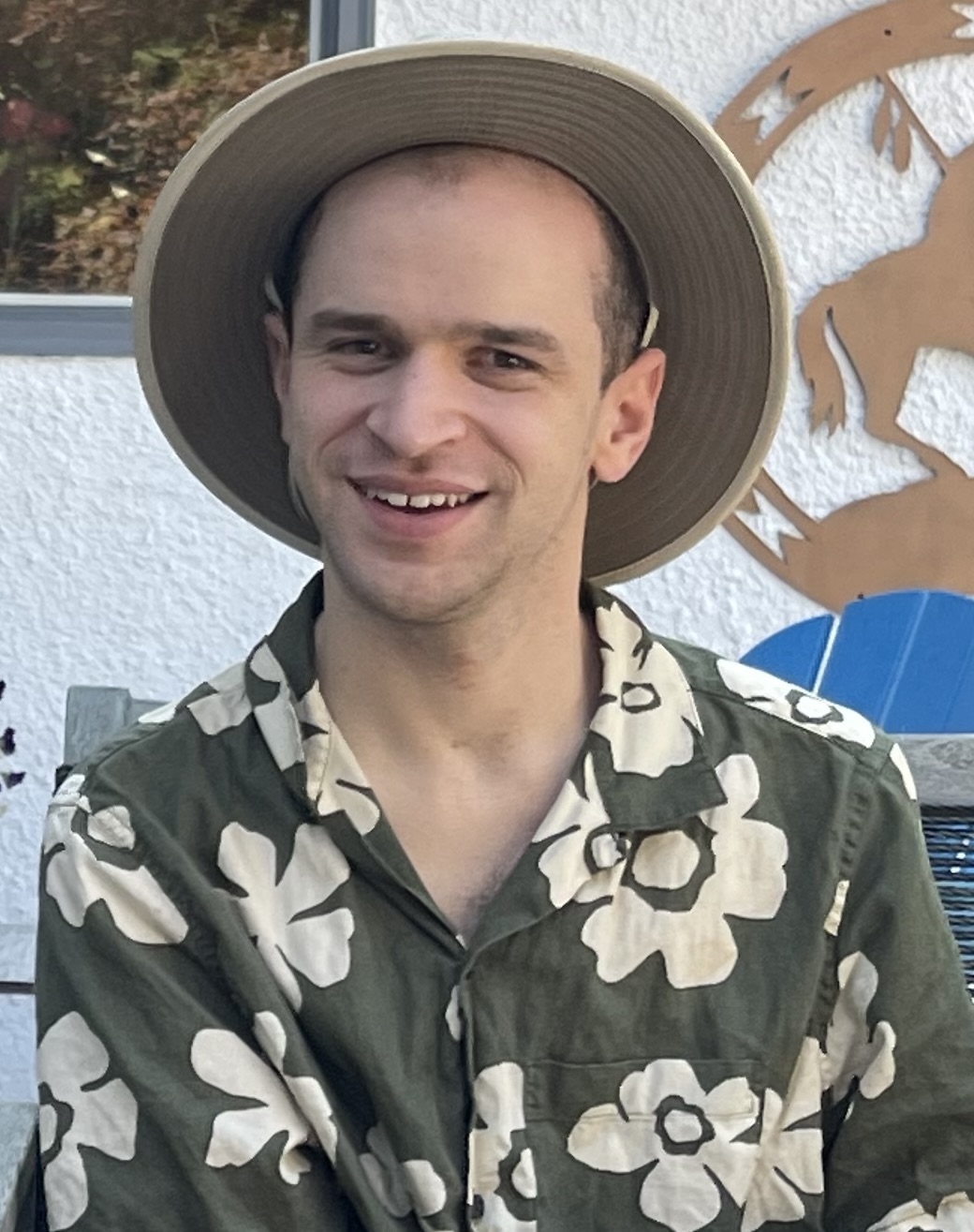
Grab a sun hat, a bathing suit, and your fav summer shirt and join JackO for some summer fun!
Our family is excited to host one of those gatherings at our home on June 20th.
We would love for ALD folks who live in or near NJ to join us for an afternoon around our pool — eating food, sharing stories, relaxing, and yes, probably laughing harder than our bladders can handle. Whether you’re a newborn screening family or a family with a beautiful boy with CALD or someone who has lost a loved one to ALD/AMN or a man or woman with ALD/AMN – all ALD folks are welcome!!! And, our house is comfortably accessible for any who may have mobility issues.
No perfection required — just people showing up exactly as they are. Which, in my experience, is where community begins.
Love, Jess
At the end of the mental health call, we always share a guided meditation. Here’s a bit from this month’s script:
Because community is not built through perfection. It’s built through honesty. Through vulnerability. Through laughter… Life is heavy sometimes, but laughter lightens the load. And community reminds us that we never need to carry it alone.
I was scrambling yesterday afternoon. I got home from work and had one hour to make dinner, feed Tupelo, feed and medicate Jack and get ready for an ALD Connect call. 40 minutes in I felt like a rock star. Jack and I were eating diecious chicken thighs, egg noodles and even some salad. I was almost relaxed as I left Jack in front of CNN for a minute as I went to put a brush through my hair, but when I walked back into the room Jack was in tears. While lately I too find myself crying while watching the news, this was different. His tears were primal. I looked at the TV screen and there it was – a St Jude’s commercial — it gets him every time. I got Jack up off his stool to give him a hug while I reminded him that those kids are all getting the help they need thanks to science and the generous donations of people like us;-). That is when I noticed that Jack hadn’t just let go of emotion — he had a massive poop in his pants.
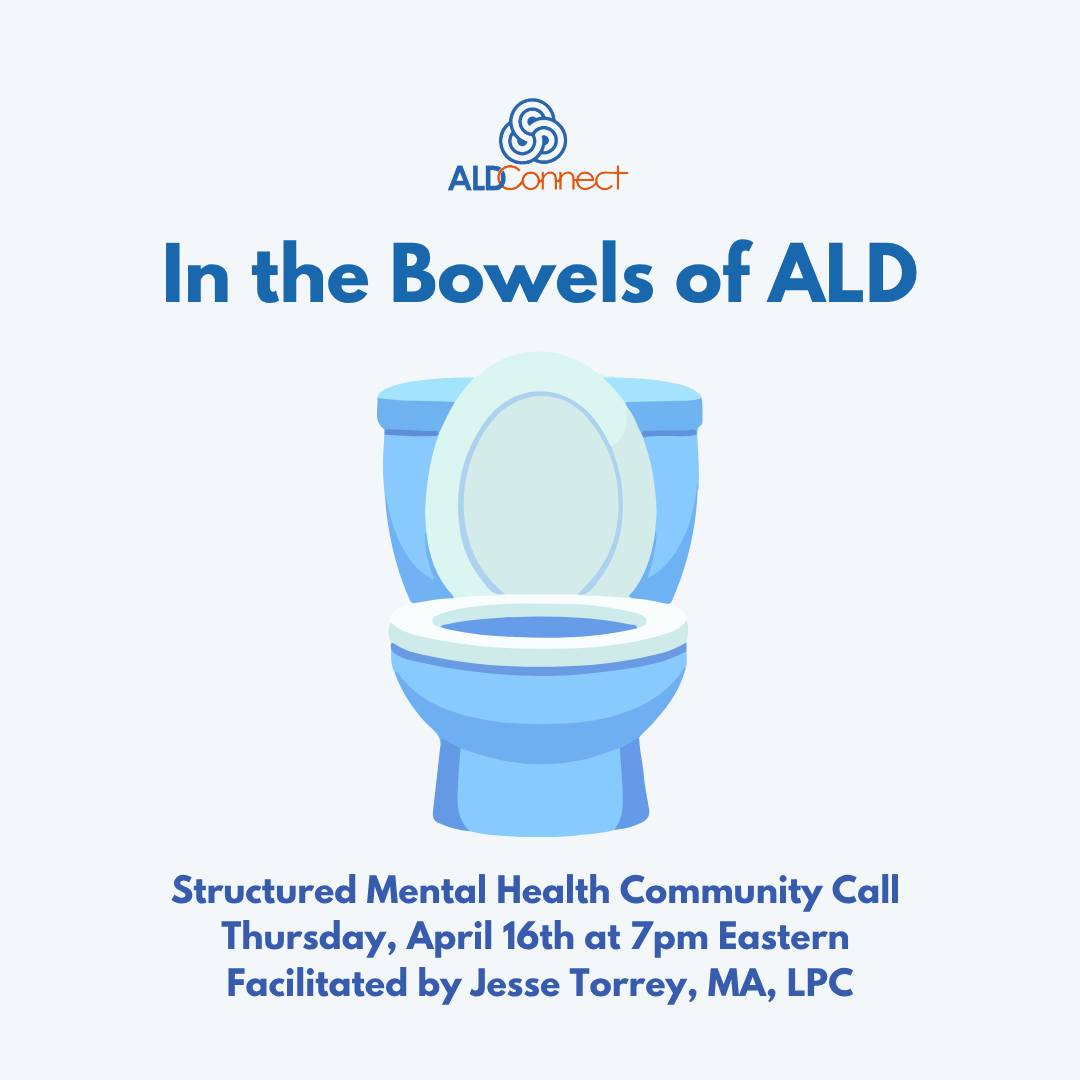
I had exactly five minute to get him cleaned up before the start of the call. We were out of wipes which were quickly replaced by wet paper towels and his clothes all landed in the laundry because somehow his diapers (he wears two at a time) hadn’t managed to complete their job. I did a quick clean of the bathroom, sat Jack in front of his show – not CNN – and quickly sent Dan a note explaining why Jack was just wearing diapers and that he could use a shower before bedtime. Then I took a deep breath and sat down to facilitate ALD Connect’s monthly Stuctured Mental Health Call. This month’s topic was In the Bowels of ALD.
If the story above made you cringe, you would not have enjoyed the call. If the story made you laugh and think of some stories of your own, then perhaps you or someone you love has ALD (or another fabulous condition that has glamorous symptoms like fecal incontinence).
I can’t share much from last night’s call, but it was incredible. Some folks gave valuable advice of things that have helped their smelliest of symptoms. Some people shared what they keep on hand when heading out in public. And some people shared their best poop story. The chat was on fire with all sort of added information and everyone on screen was frantically nodding their heads and encouraging each other. And, we all laughed. We laughed a lot.
I left the call as I always do — feeling grateful to have a community where I feel safe. Safe enough to be completely myself. Safe enough to share my fears. AND safe enough to share a shitty story.
I end each of these calls with brief guided meditation.
Letting Go of the Embarrassment
Take a moment to get comfortable. Let your body settle… feet grounded… shoulders soft.
Gently close your eyes, if that feels okay.
Take a slow breath in through your nose… and exhale through your mouth.
Again… in… and out.
Now bring to mind a moment of embarrassment. Maybe something small… or maybe something that still makes you cringe a little.
And if it happens to be one of those moments… a very human, very real, body-related moment… you’re in the right place.
Just notice what comes up.
Where do you feel it in your body? Maybe in your chest… your stomach… your face.
You don’t need to push it away.
Just notice… and breathe.
Now gently remind yourself:
“I am human.”
Bodies do what bodies do. They are not always neat or predictable or convenient.
And every single person you know—every single one— has had moments like this.
You are not alone in this.
Imagine placing that moment in front of you, like a small object you’ve been holding tightly.
Notice how much energy it takes to hold onto it.
And now… imagine loosening your grip.
You don’t have to throw it away. You’re just holding it more lightly.
See if you can add a touch of kindness… maybe even a hint of humor.
A soft voice inside that says:
“Of course that happened. I’m human.”
Maybe even:
“This is part of our disease but it’s also part of being alive.”
Take another slow breath in… and out.
Let the tightness soften just a little.
Let the story become less heavy.
You are allowed to be imperfect. You are allowed to have a body. You are allowed to let this go.
When you’re ready, bring your awareness back to the room… your breath… your body.
And carry with you a little more ease… a little more compassion… and maybe even a small smile.
You’re doing just fine.
Whether you have ALD or not, you have moments that you may not want to share on a zoom call. BUT if you have ALD, you have a community who is here for you to hear your story – and laugh with you.
Not just in the big, life-altering, soul-stretching ways, but also in the very real, very human, very messy, very smelly, very unglamorous ways.
Yes… I’m talking about poop.
If you love someone with ALD — or live with it yourself — you have a poop story. Actually, you probably have many. Stories that make you cringe. The kind you never imagined would become part of your arsenal of cocktail-party stories.
But last month at the ALD Alliance conference, something amazing happened.
At dinner one night, a few of us started sharing our poop stories. The stories continued the next day around the conference and then when we went for drinks and ax throwing (ALD Alliance knows how to plan a fantastic event;-)).
As we shared our stories, instead of embarrassment… there was laughter. Real, deep, can’t-catch-your-breath laughter. The kind that only happens when you’re with people who get it. No explaining. No apologizing. In fact, we were all kind of trying to one up each other.
Telling these stories is not just about telling these stories. Telling these stories allows us to own them. Allows us to stop hiding and appreciate that there should NOT be shame in battling things we can’t control. Finding community that is there to listen and who understands is a gift. AND if we can laugh together, then it’s more than finding glitter in a pile of shit –- it’s proving that we are stronger than our symptoms.
I won’t share any of Jack’s or my personal stories here, but let’s just say that Jack has left gifts at such remarkable places as The Boboli Gardens in Florence and in the parking lot at SPAC following a wonderful Dead and Co show AND I travel everywhere I go with a roll of toilet paper. My family knows when I say the words, “I need to go”, it doesn’t mean let’s make a stop at the rest area five miles ahead.
As we were trying to come up with the next topic for ALD Connect’s Structured Mental Health call, I thought, let’s dive in and share some poop stories. It may provide people some great advice and treatments AND I know it will also provide us all with a safe space to share AND to laugh together.
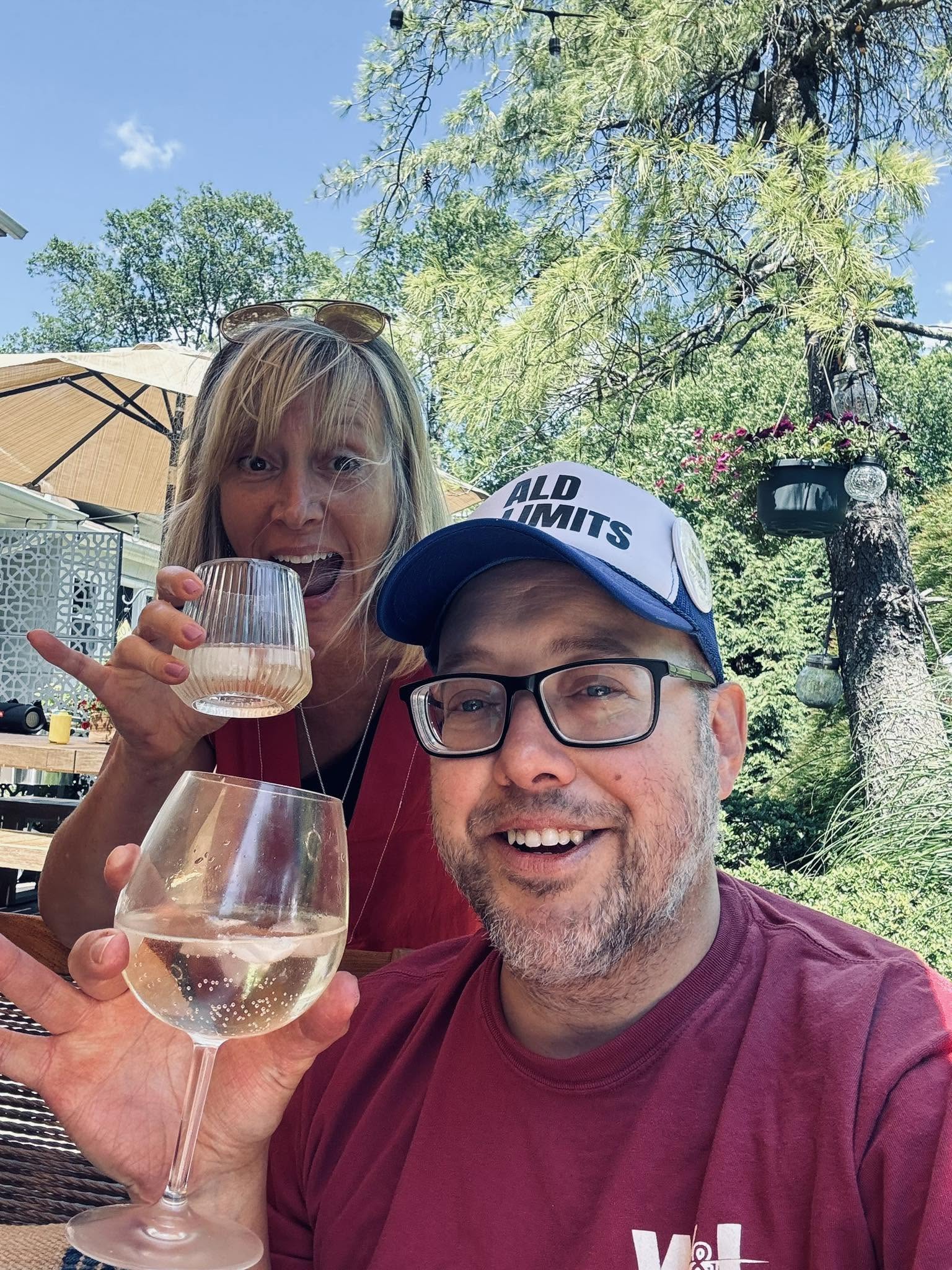
Our friends Ken and Christie of ALD No Limits – who each may or not have some stories themselves – are talking about doing a poop episode on their podcast. Can’t wait to hear that one, but for now we will do it a little more privately. The call will not be taped so ALD folks – think of your best I cant’ believe this actually happened story and come join the fun.
Let’s take the shame out of things we can’t control and let’s turn embarrassment into laughter.
I’ve said it before and I’ll say it again — ALD — shitty disease/great people!!!!!!!!!
Love, Jess
AND I know that many of you non-ALD folks have stories of your own … after all, everyone poops. I think the world would be a little better if we all shared that sometimes our bodies have minds of their own.
Rare Disease Day is a day that reminds the world that rare doesn’t mean small. It doesn’t mean insignificant. It doesn’t mean invisible.
It means there are families like ours — loving fiercely, advocating loudly, and learning to build beautiful lives in the middle of something we never would have chosen.
Jack’s life is beautiful. It’s big and full of love and fun and smiles.
Not because ALD is easy. Not because the road has been smooth. But because he is surrounded by smiles and his duct tape.
If you’ve followed this blog for any amount of time, you know what that means. Smiles are the joy, the hockey nights, the ordinary Tuesdays that feel like victories. Duct tape is the holding-together — the people in Jack’s life that are always here to help, to laugh, to figure out how to have fun with JackO. Duct tape is also the logistics, the medical appointments, the day programs, the caregivers that have become Jack’s Other Mothers (they are huge part of the smiles too), the medications, the research, the hard conversations, the resilience that shows up when it has to.
Jack’s life is held together by all these things, but I want to give a special shout out to the medical professionals who dedicate their careers to rare diseases, researchers who refuse to stop until treatments become possible.
The treatments Jack has received did not appear out of thin air. They are the result of decades of science, advocacy, fundraising, and families who said, “Not good enough. Keep going.”
We are profoundly grateful.
To celebrate Rare Disease Day, our family created a fundraising page for ALD Connect.
Thank you to every friend and family member who has already donated to ALD Connect through our page. JackO sends each of you a warm smile, a killer hug and a lick if you’re really lucky. Thank you to members of the ALD community who understand this life from the inside out. And, a special thank you to the under 30 crowd who made donations. I know times are complicated and wallets may be thin. My niece, Sara, gets a shout out for being the youngest giver and I also want to recognize and thank several of Anna’s friends — some who have known and loved JackO for many years, and some who haven’t yet had the pleasure of meeting him.
Many of these kids (always kids to me) will soon begin their lives as physicians. The fact that they have ALD on their radar — that this rare disease is no longer invisible to them — matters more than they probably realize. One day, they will sit in exam rooms and carry that awareness forward. That’s how change happens.
That’s how rare becomes recognized.
If you feel moved, I invite you to make a donation to ALD Connect through our fundraising page. Your support funds research, education, and connection for families navigating this disease. It helps ensure that more children with ALD, more adults with ALD and more families dealing with ALD every single day (NOT just Rare Disease Day) have access to treatments, information, and community.
Rare Disease Day is not just about what we are fighting — It is about what we are building!
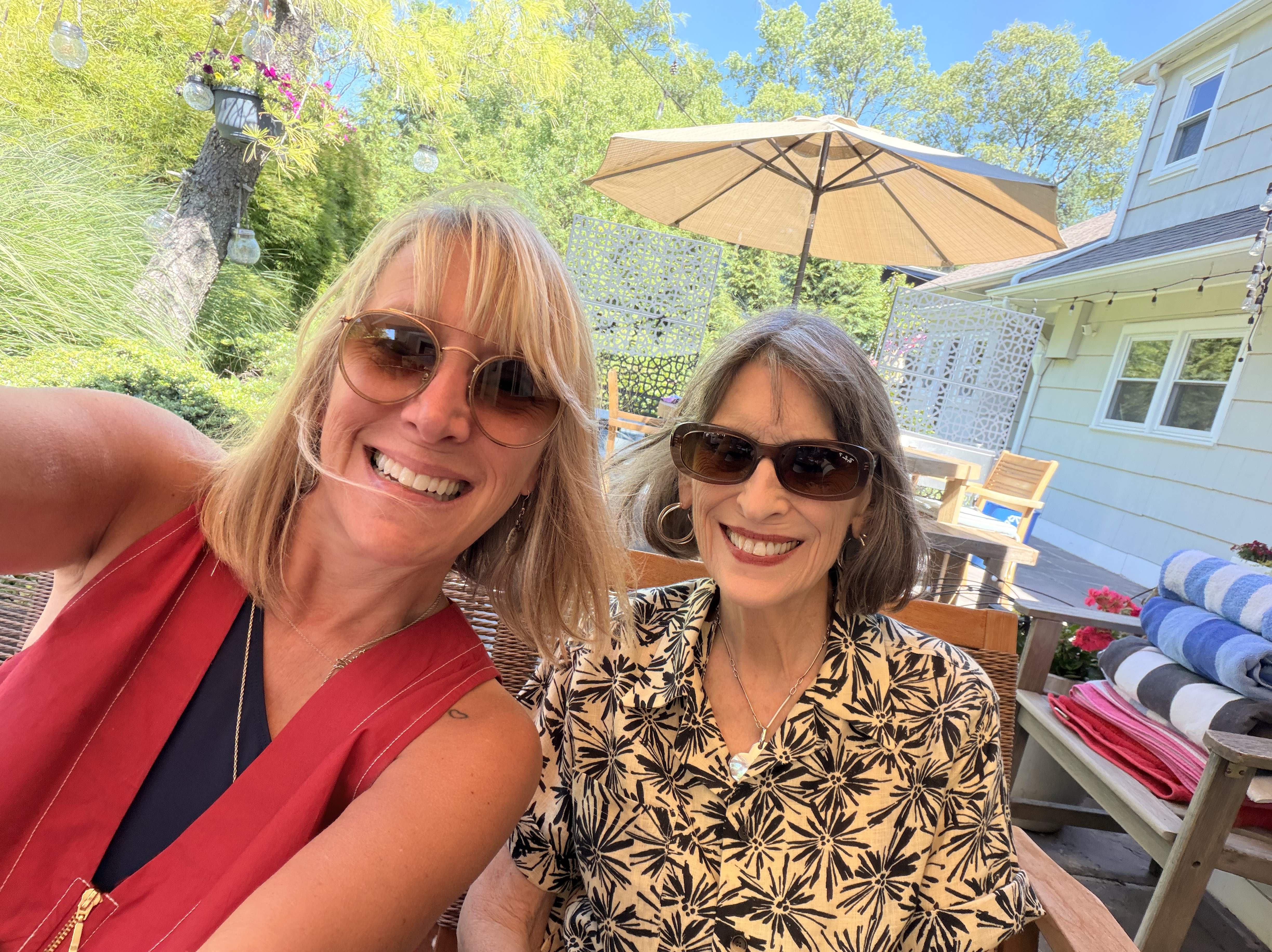
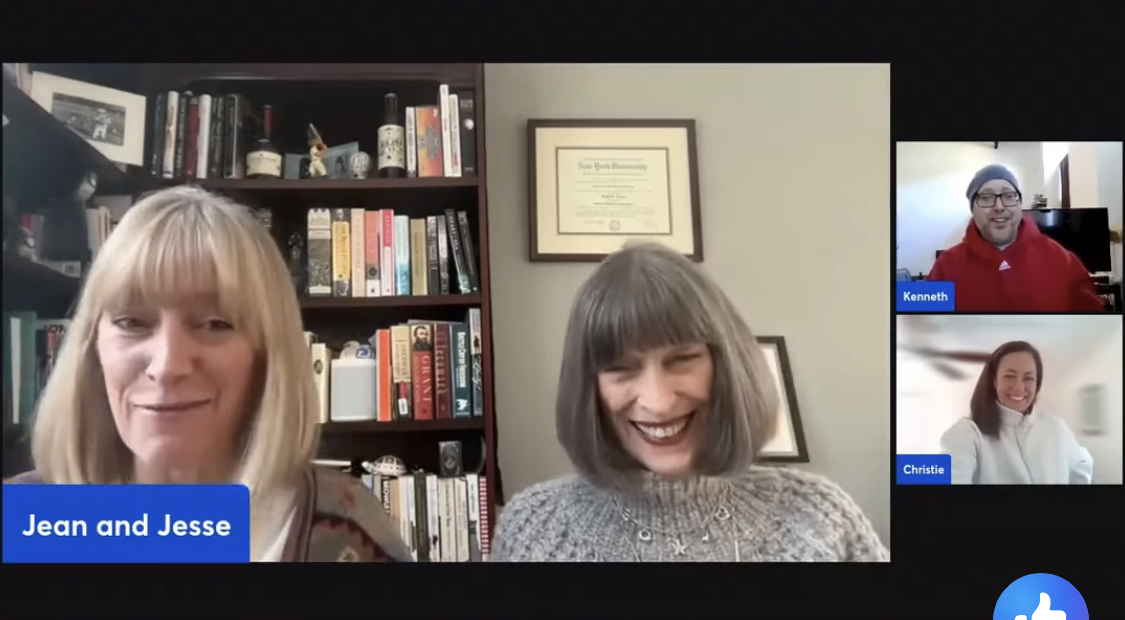
Mymom and I were recently interviewed by friends and fellow ALD folks, Ken and Christie, for ALD No Limits, and I can confirm: speaking about ALD feels great, but it’s a little distracting when the whole time you’re wondering, “Is it strange that my mother and I have the same haircut?”
But in all seriousness, what Ken and Christie are doing by sharing these stories is incredible.
ALD is complicated. It is medical and emotional and genetic and generational and can be different for every person/family. For our family it is motherhood and frustration and pain and fear and celebration and advocacy all wrapped into one long story. And getting to sit beside Mymom — we are two women connected by more than just DNA — and talk about what this journey felt powerful.
It felt honest.
It felt a little vulnerable.
It felt like we were connecting with community.
I know most of you many know our story, but if you’ve ever wondered what living with ALD looks like across generations… if you’ve ever wanted to understand the human side of this diagnosis… if you’ve ever needed proof that you can carry something heavy and still laugh — I hope you’ll watch.
A mother and daughter trying not to talk over each other.
A mother and daughter who share a haircut and ALD and a love for JackO.
A few earnest moments.
A lot of heart.
At least one facial expression I didn’t rehearse.
Most importantly, you’ll see why sharing your story is important.
Community is not optional in rare disease. It is survival. It is education. It is connection. It is the life vest when the waters feel rough. Thank you Ken and Christie for creating this incredible platform and for inviting Mymom and I to participate!
If the video moves you — even a little — please consider supporting ALD Connect. Your donation funds necessary research, helps families find answers, find each other, and find steadier ground.
Last month, I received a note from a dear friend (and a founding member of ALD Connect), that made me pause, breathe, and let out one of those slow, grateful exhales that seem to come from a place deeper than … Continue reading →
Day # 6740 . . . Life for all of us Torreys has been pretty great lately — full of adventure, connection, and a few unexpected surprises. Last weekend, Mymom and I had the pleasure of attending the ALD Connect Annual … Continue reading →
Next Thursday, January 30th, at 7 pm ALD Connect is hosting the monthly Mental Health Call where my friend/ALD hero, Emma, and I will lead a healthy discussion about the importance of communication within a caregiving relationship. Hoping to see many of our ALD Community next week, but I wanted to take the opportunity to share with all our Smiles and Duct Tape readers why we’ve chosen this topic.
Whether you’re an ALD family or not, there are many people who are part of a caregiving relationship — a caregiver or care receiver. Whether you’re caring/receiving care for/from your child or spouse or parent or sibling or friend — I want you to consider adding an important question to your communication, “Do you want me to push (help) you?”.
At the last ALD Connect Annual Meeting and Patient Learning Academy I had the pleasure of spending time with Laurie and Emma Hayes – two ALD folks I absolutely adore. They’re a mother/daughter duo who have always impressed me. Laurie, the mom, and is a symptomatic woman with ALD. Emma is her adult daughter.
Throughout the weekend I would hear Emma say the words, “Mom, do you want me to push you?” Repeatedly. Laurie would sometimes take the opportunity to be pushed around in her wheelchair and other times she would deny the help. She was in charge.
There was something powerful about witnessing this simple moment between a mother/daughter — care receiver/caregiver.
The question “Do you want me to push you?” symbolized more than just a literal action. It was recognition by Emma (the caregiver) of Laurie’s (the care receiver’s) autonomy, and it showed a commitment to working together. By asking and answering this question with honesty and openness, they were beautifully navigating their journey together with grace and understanding.
We all talked about this often overlooked part of a positive caregiving relationship. Receiving care can be a difficult thing for people to accept. It often involves coming to terms with one’s limitations. And providing care can also be challenging. Not only can it be exhausting, even messy, but without open communication a caregiver may do too little or too much. Without a conversation a caregiver may not appreciate the help their loved one needs. It’s easy to fall into the trap of doing too much, believing it’s the best way to help. Laurie shared the importance of caregivers to recognize that, although someone may require help with one thing doesn’t mean they need – or want – help with another. Overstepping boundaries can unintentionally undermine the care receiver’s confidence and independence. The key is to strike a balance—stepping in when help is needed while allowing the care receiver to maintain as much control as possible. Communication is the key.
The most successful caregiving relationships are built on mutual respect, trust, and open communication. Caregivers must remember that their role is to support, not to control. Care receivers, on the other hand, should embrace the partnership, acknowledging their caregiver’s efforts while maintaining their own sense of agency. Laurie is always quick to share how grateful she is for the help Emma provides. Another beautiful thing to witness.
As I’ve been preparing for this call I’ve been recognizing that, although Jack can’t speak and is far more dependent than Laurie, there is more I can do to allow Jack to have some control. Slowing down and allowing Jack to feed himself, walk independently, and choose between The Office and Impractical Jokers are how I’m asking him if he wants to be pushed. He seems to enjoy this small shift and is doing his part by thanking me with one of his beautiful smiles.
Hope to see many of you on Thursday (sorry, ALD required).