Rare Disease Day

HaPpY rArE dIsEaSe DaY!

Rare Disease Day is a day that reminds the world that rare doesn’t mean small. It doesn’t mean insignificant. It doesn’t mean invisible.

It means there are families like ours — loving fiercely, advocating loudly, and learning to build beautiful lives in the middle of something we never would have chosen.

Jack’s life is beautiful. It’s big and full of love and fun and smiles.

Not because ALD is easy.
Not because the road has been smooth.
But because he is surrounded by smiles and his duct tape.

If you’ve followed this blog for any amount of time, you know what that means. Smiles are the joy, the hockey nights, the ordinary Tuesdays that feel like victories. Duct tape is the holding-together — the people in Jack’s life that are always here to help, to laugh, to figure out how to have fun with JackO. Duct tape is also the logistics, the medical appointments, the day programs, the caregivers that have become Jack’s Other Mothers (they are huge part of the smiles too), the medications, the research, the hard conversations, the resilience that shows up when it has to.

Jack’s life is held together by all these things, but I want to give a special shout out to the medical professionals who dedicate their careers to rare diseases, researchers who refuse to stop until treatments become possible.

The treatments Jack has received did not appear out of thin air. They are the result of decades of science, advocacy, fundraising, and families who said, “Not good enough. Keep going.”

We are profoundly grateful.

To celebrate Rare Disease Day, our family created a fundraising page for ALD Connect.

Thank you to every friend and family member who has already donated to ALD Connect through our page. JackO sends each of you a warm smile, a killer hug and a lick if you’re really lucky. Thank you to members of the ALD community who understand this life from the inside out. And, a special thank you to the under 30 crowd who made donations. I know times are complicated and wallets may be thin. My niece, Sara, gets a shout out for being the youngest giver and I also want to recognize and thank several of Anna’s friends — some who have known and loved JackO for many years, and some who haven’t yet had the pleasure of meeting him.

Many of these kids (always kids to me) will soon begin their lives as physicians. The fact that they have ALD on their radar — that this rare disease is no longer invisible to them — matters more than they probably realize. One day, they will sit in exam rooms and carry that awareness forward. That’s how change happens.

That’s how rare becomes recognized.

If you feel moved, I invite you to make a donation to ALD Connect through our fundraising page. Your support funds research, education, and connection for families navigating this disease. It helps ensure that more children with ALD, more adults with ALD and more families dealing with ALD every single day (NOT just Rare Disease Day) have access to treatments, information, and community.

Rare Disease Day is not just about what we are fighting — It is about what we are building!

Love, Jess
ALD No Limits

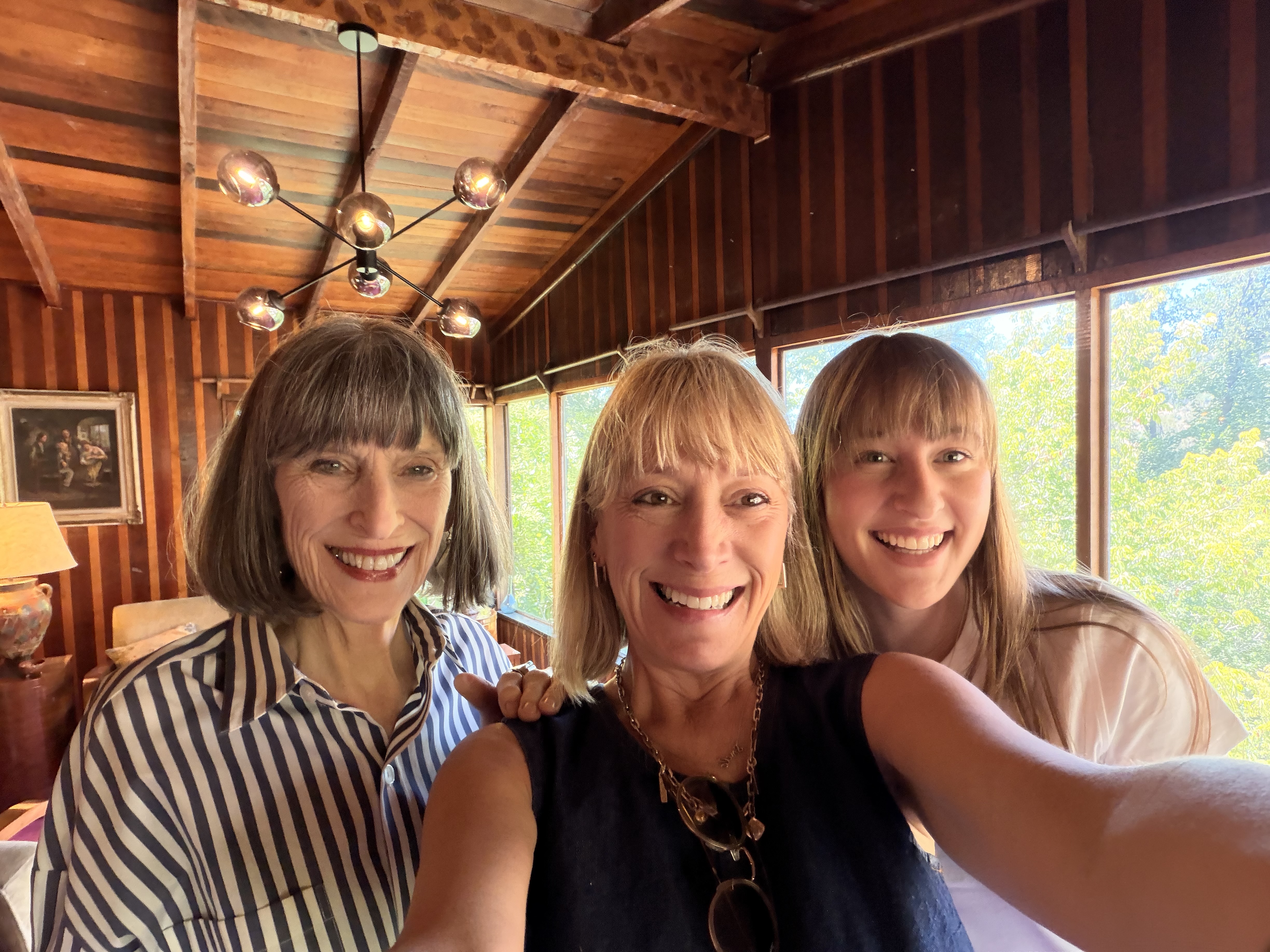
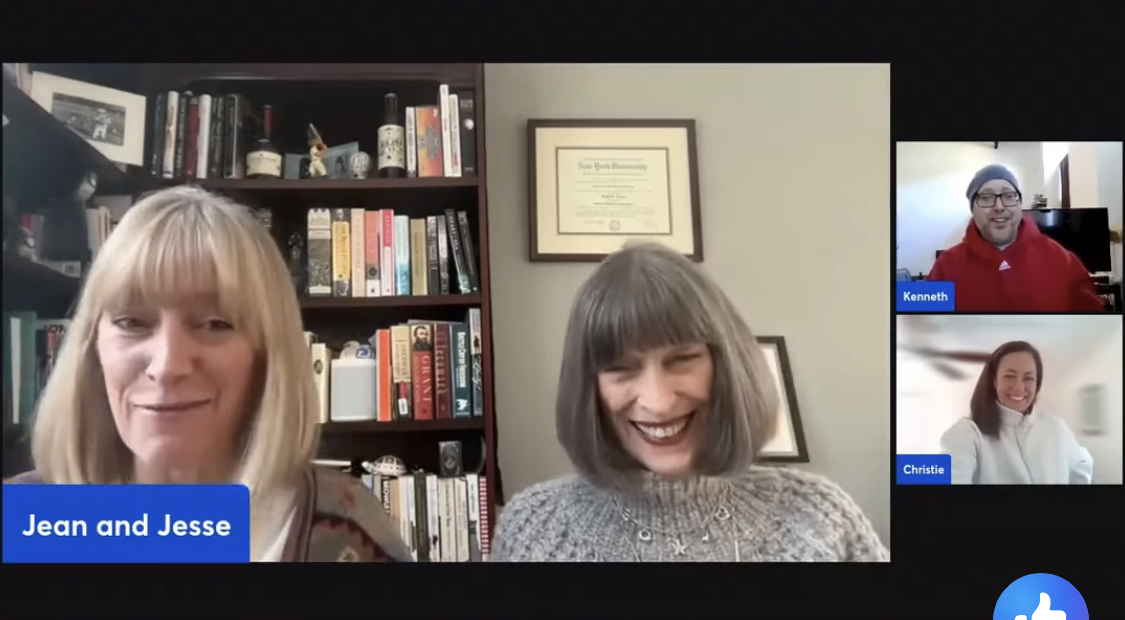
Mymom and I were recently interviewed by friends and fellow ALD folks, Ken and Christie, for ALD No Limits, and I can confirm: speaking about ALD feels great, but it’s a little distracting when the whole time you’re wondering, “Is it strange that my mother and I have the same haircut?”

But in all seriousness, what Ken and Christie are doing by sharing these stories is incredible.

ALD is complicated. It is medical and emotional and genetic and generational and can be different for every person/family. For our family it is motherhood and frustration and pain and fear and celebration and advocacy all wrapped into one long story. And getting to sit beside Mymom — we are two women connected by more than just DNA — and talk about what this journey felt powerful.

It felt honest.

It felt a little vulnerable.

It felt like we were connecting with community.

I know most of you many know our story, but if you’ve ever wondered what living with ALD looks like across generations… if you’ve ever wanted to understand the human side of this diagnosis… if you’ve ever needed proof that you can carry something heavy and still laugh — I hope you’ll watch.

ALD No Limits

You will see:

  • A mother and daughter trying not to talk over each other.
  • A mother and daughter who share a haircut and ALD and a love for JackO.
  • A few earnest moments.
  • A lot of heart.
  • At least one facial expression I didn’t rehearse.

Most importantly, you’ll see why sharing your story is important. 

Community is not optional in rare disease. It is survival. It is education. It is connection. It is the life vest when the waters feel rough. Thank you Ken and Christie for creating this incredible platform and for inviting Mymom and I to participate!

If the video moves you — even a little — please consider supporting ALD Connect. Your donation funds necessary research, helps families find answers, find each other, and find steadier ground.

DONATE HERE

Watch. Share. Donate.
And maybe forgive my camera face. 😉

Love,
Jess

Returning to Chile After 19 Years

By the time Jack was eight years old he had been to Chile three times. It’s where I was born, where we have family and where my folks have a beautiful property. Chile was a huge part of my childhood, and it was going to be a huge part of my children’s lives.

Then ALD changed so many of our plans.

For nineteen years, Chile lived in the category of someday.
Not because we didn’t want to go—but because of the what ifs.

What if Jack had trouble on the flight (11 hours overnight)?
What if he couldn’t tolerate the change in routine?
What if he had an accident mid-flight?
What if something went wrong and we were far from home, far from familiarity, far from safety?

If you live with ALD, you know these what ifs well. They multiply quietly over time, stacking themselves into reasons not to go, not to risk, not to try. And so, for nineteen years, we didn’t return to Chile—the place we once loved, the place tied to memories from before diagnosis, before life split into “before” and “after.”

But this year, we went anyway.

It started as what felt like a dare. Anna announced that she and her boyfriend, Asher, had spoken to my folks about going to Chile. She was only six years old the last time we were there and has always felt cheated from Chilean memories. She announced that my parents were not only encouraging the trip, but wanted to join them. Anna reminded us that this may be the only window of time she has for such a trip as graduation approaches and residency looms. She said that going as a family would mean the world to her. 

Then my folks started their campaign. 

Conversations that ended with maybes were followed with links to airline tickets and hotel information. My parents are beyond generous and know how to make things happen.

So, Christmas Eve we put the what ifs in a box and went to Chile.

It wasn’t a small undertaking. It was ten days away, involved four flights, unfamiliar beds, new foods, long days, and the emotional weight of returning to a place we hadn’t seen since Jack was diagnosed.

And many of the what ifs came true.

  • Jack did not sleep one single wink on any of our four flights. Not one. 
  • As we boarded our flight to Puerto Montt, Jack pooped. We were told that we couldn’t return to the terminal bathroom so we sat for 90 minutes with poop and unhappy glares from our fellow passengers.
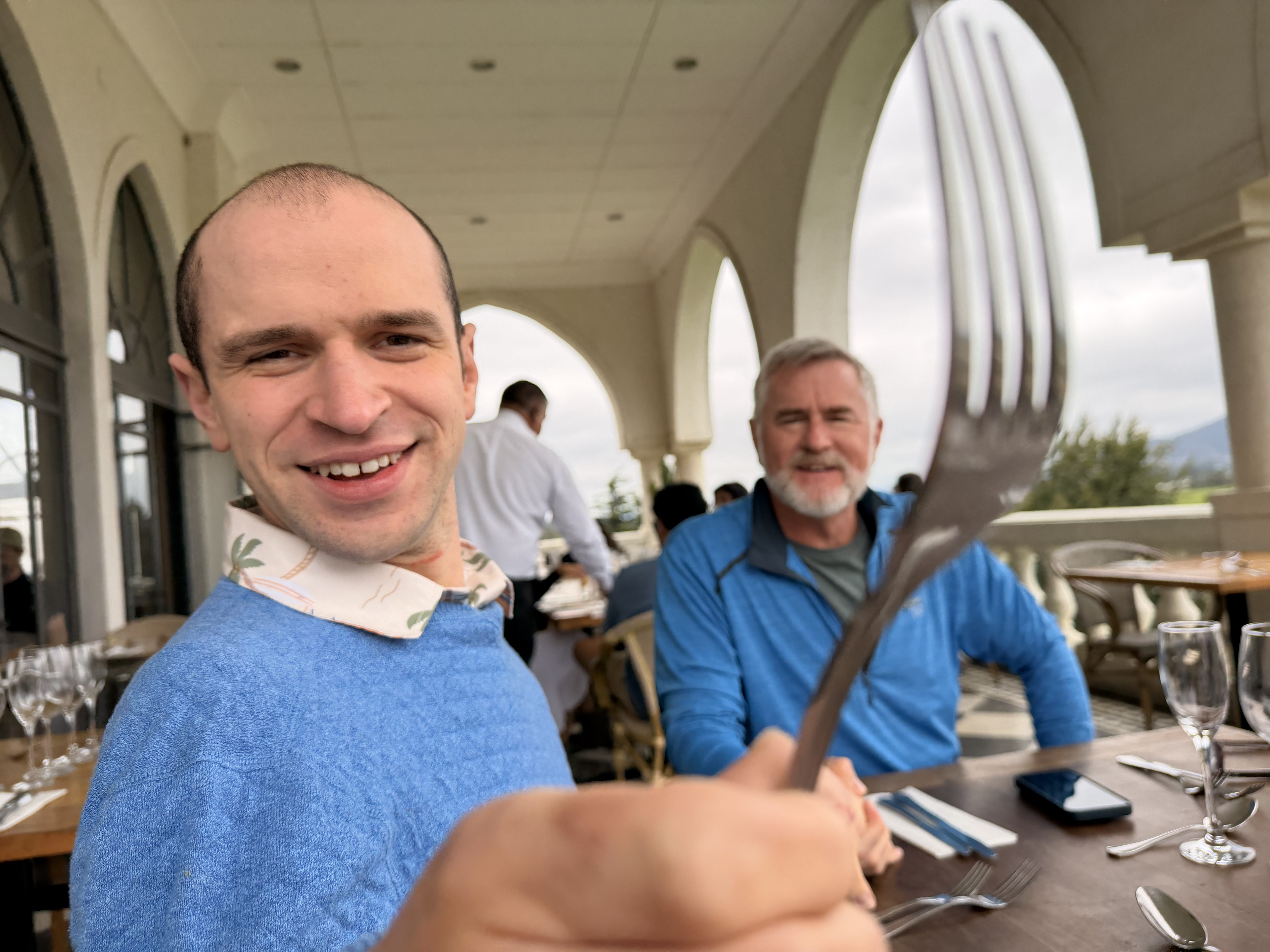
  • At the end of a beautiful six-course, wine-paired meal at a vineyard, Jack suddenly vomited all over the table. It was embarrassing, yes—but more than that, it was scary. That split second where your heart drops, your mind races, and you wonder if this is the beginning of something bigger.
  • There were also an assortment of large uber tips following pee stains and the need to find bathrooms in the most unlikely places – yes toileting for both Jack and I is always an adventure.

But here’s the part that matters most — We survived.

Not just survived—we adapted, adjusted, laughed when we could, cried when we needed to, and kept going. We leaned on each other. We problem-solved. We reminded ourselves that discomfort is not the same as danger, and fear does not get to make all the decisions.

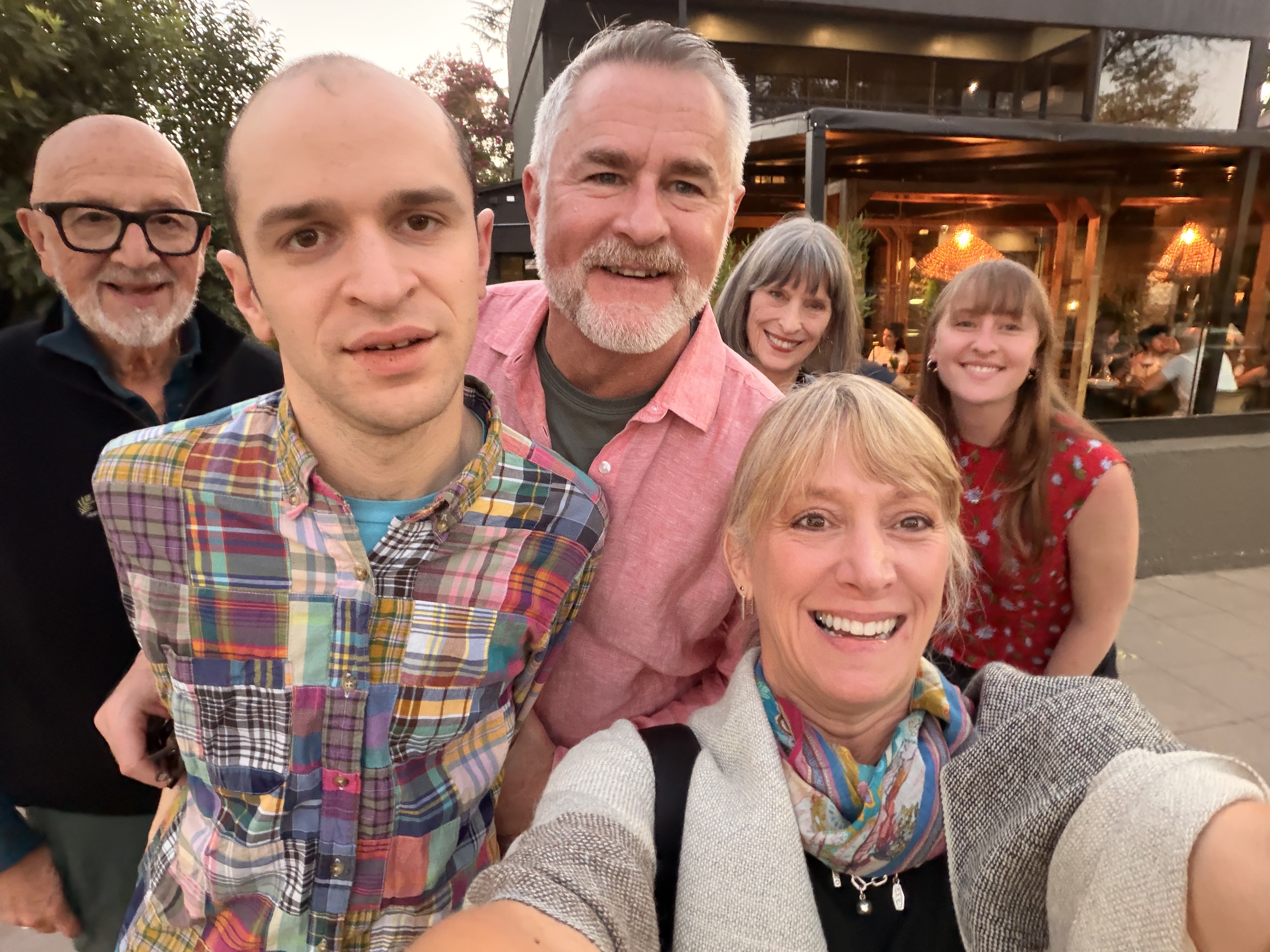
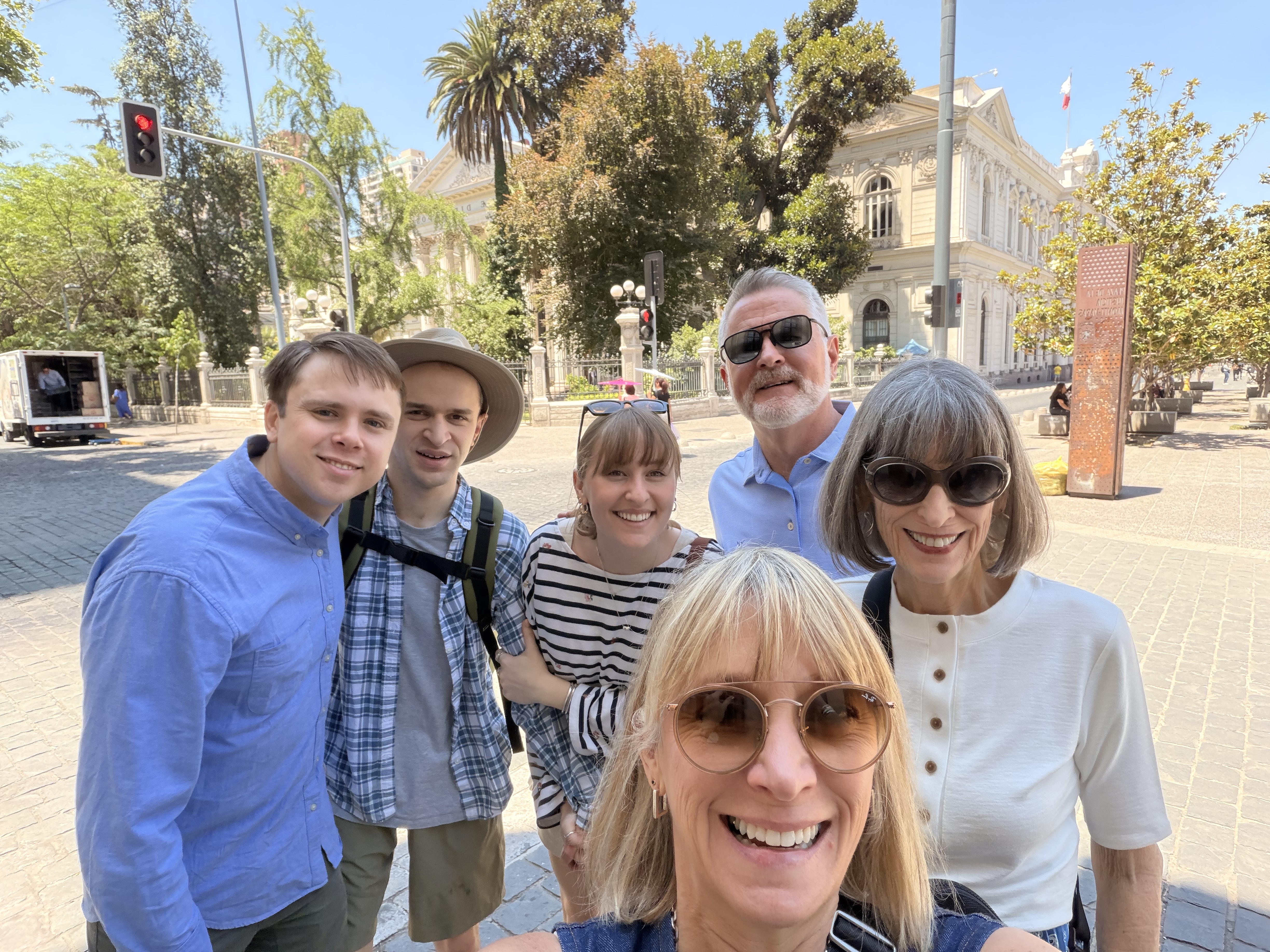
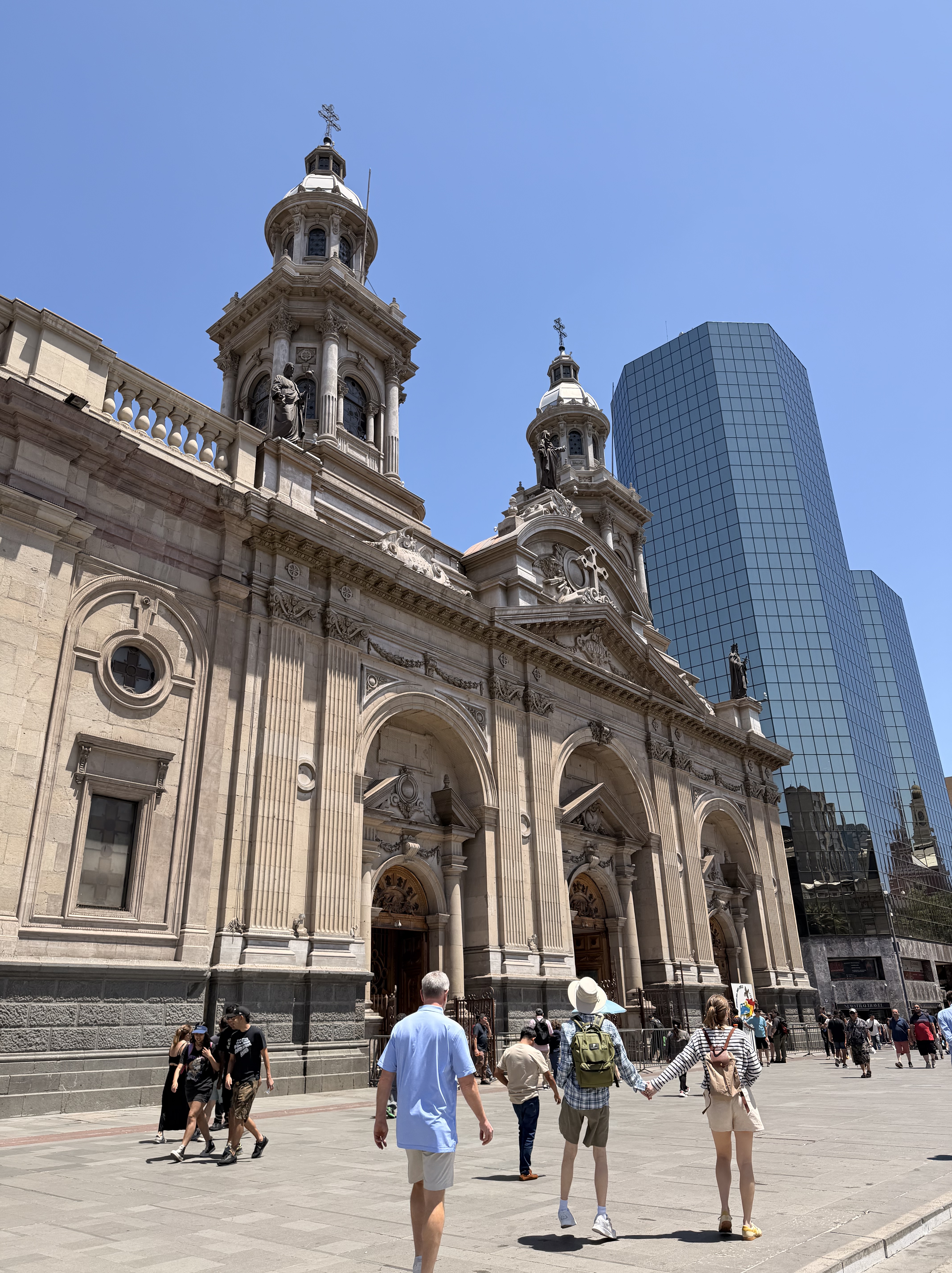
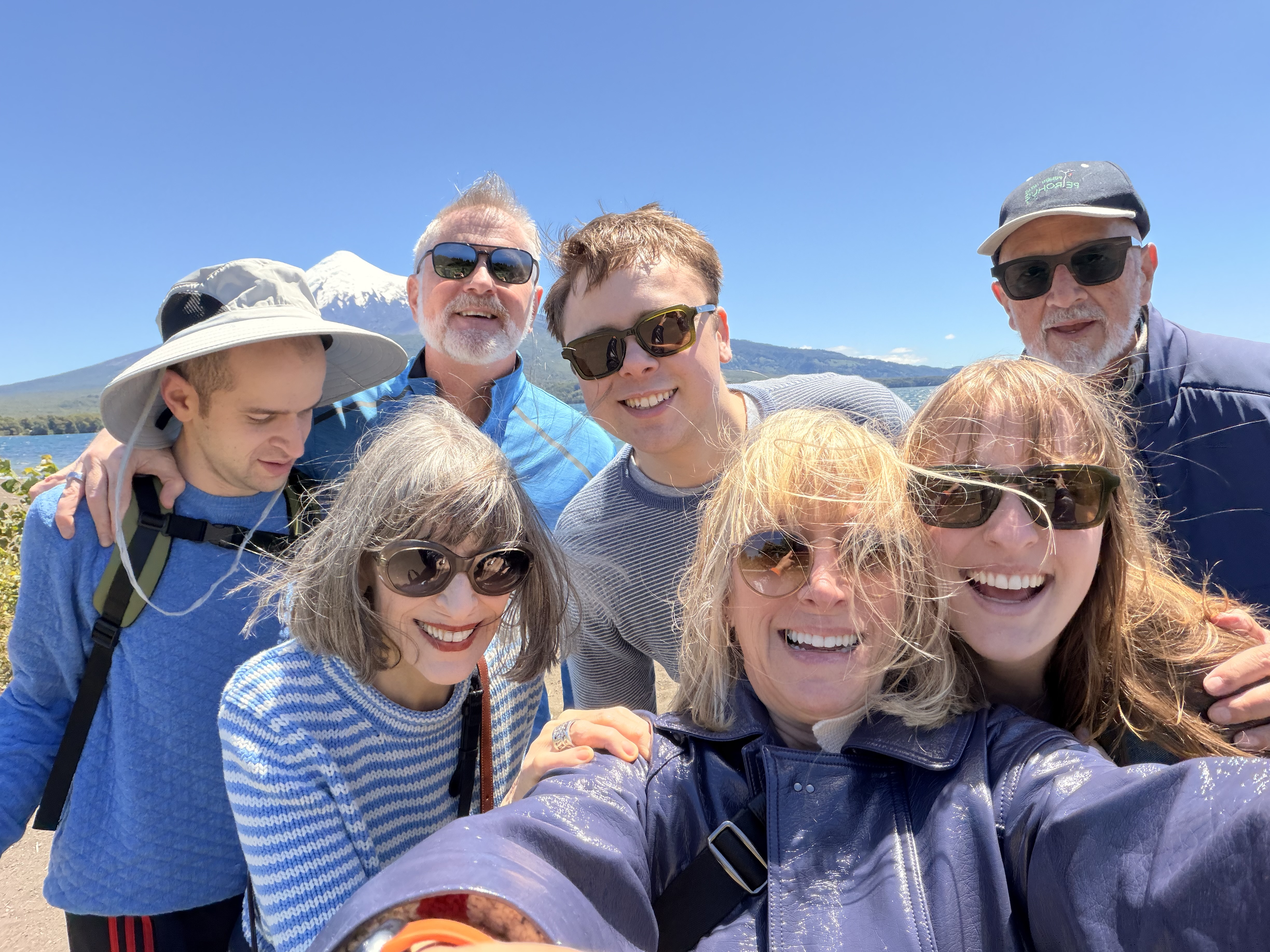
And in between the hard moments, there was so much good. There was beauty. There was connection. There were delicious empanadas and more pisco sours than I should have enjoyed. There was joy in being together, in watching Jack, Anna and Asher experience something new, watching my parents share stories and experiences, and in reclaiming a place that once felt stolen from us for nearly two decades.

ALD has taken enough. It has taken certainty, ease, and spontaneity. But it does not get to take our lives.

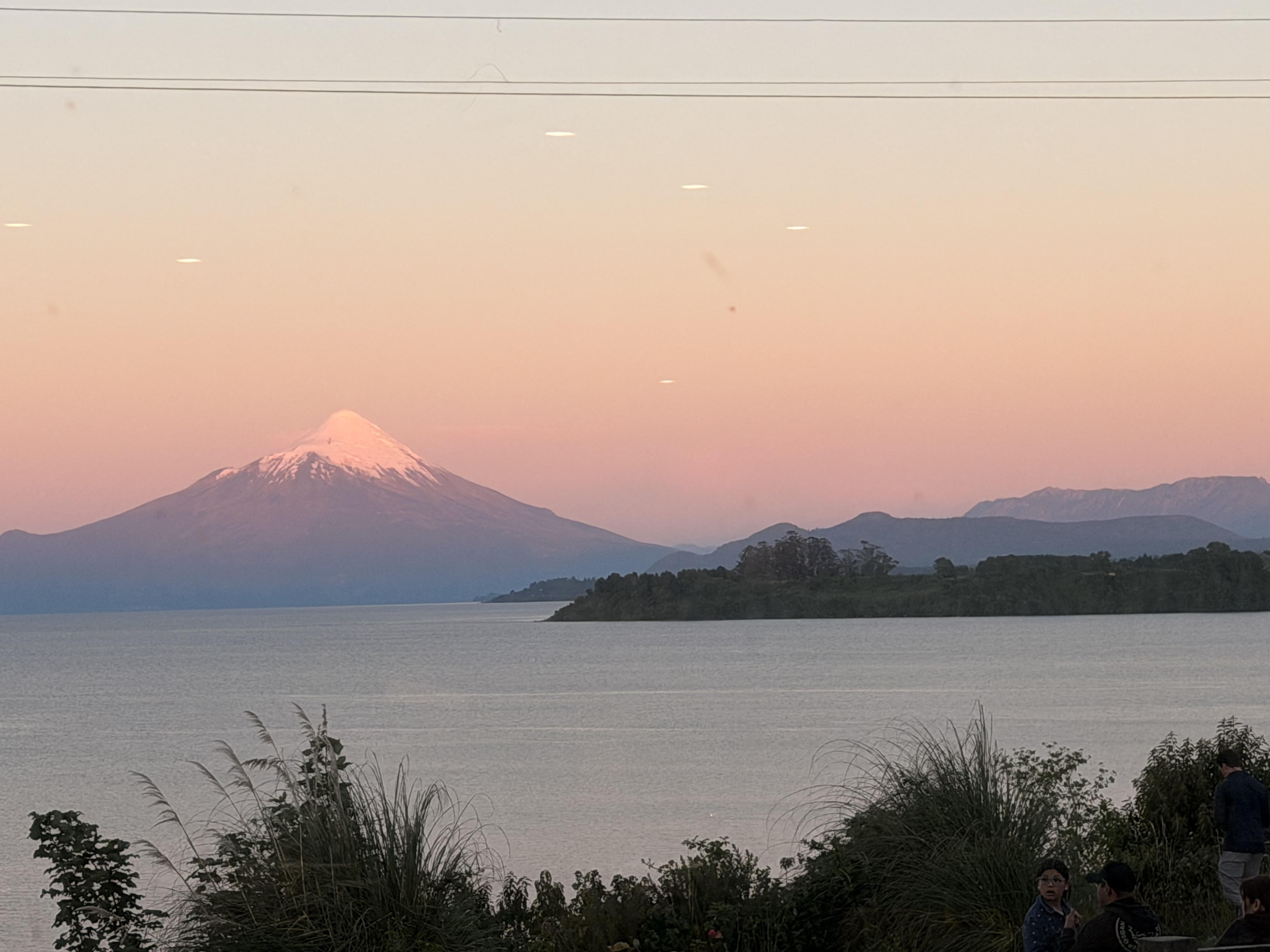
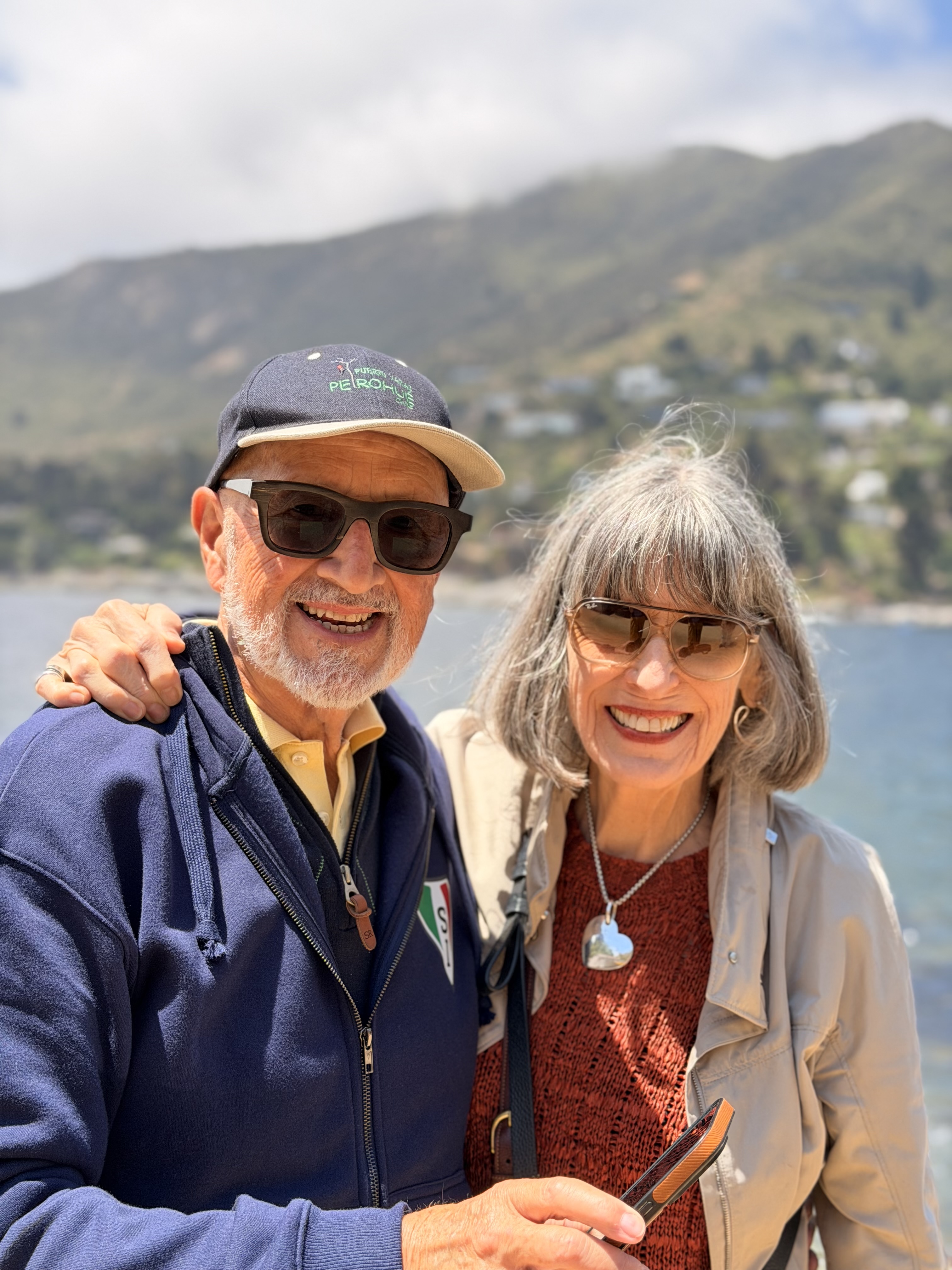
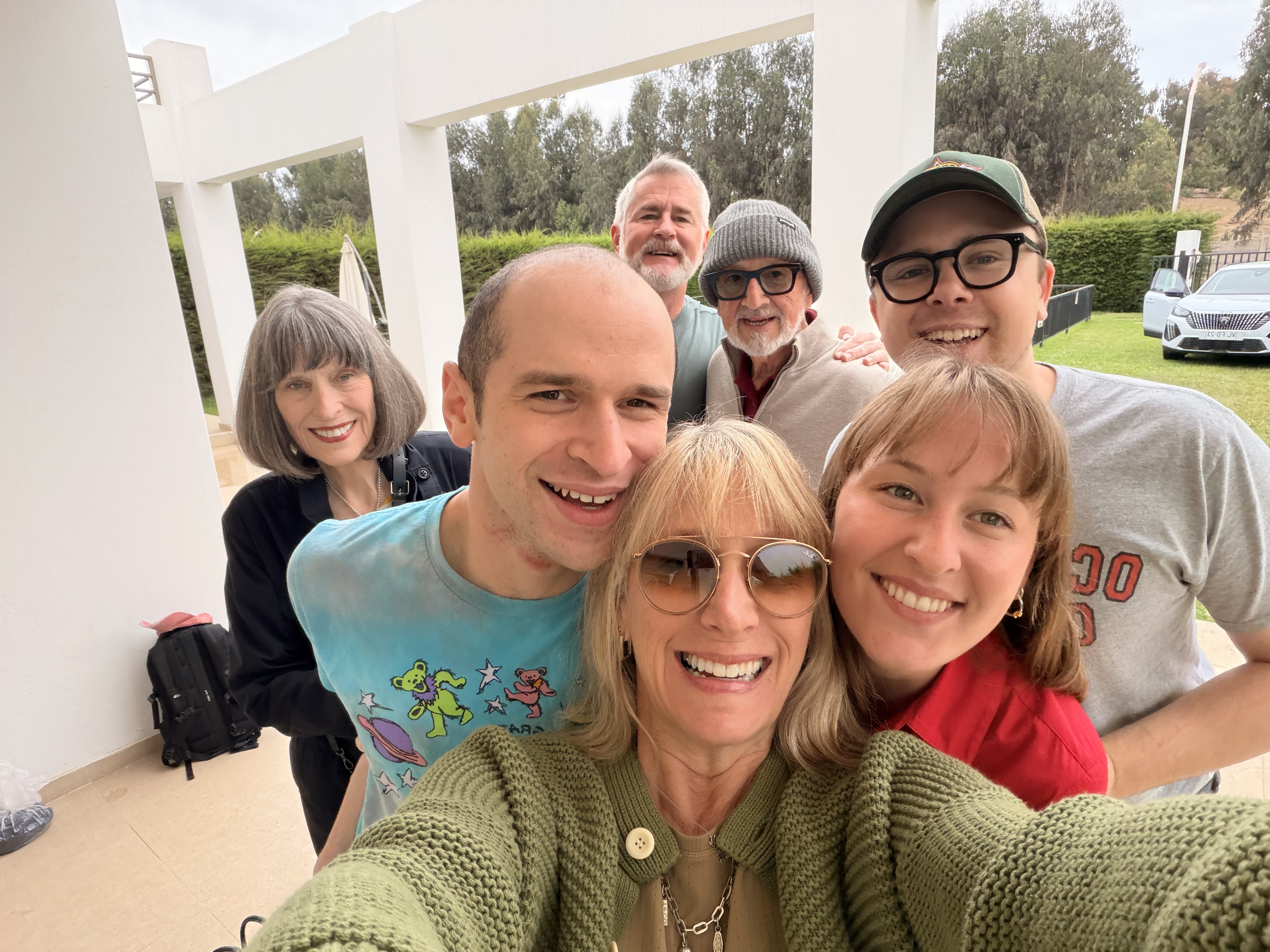
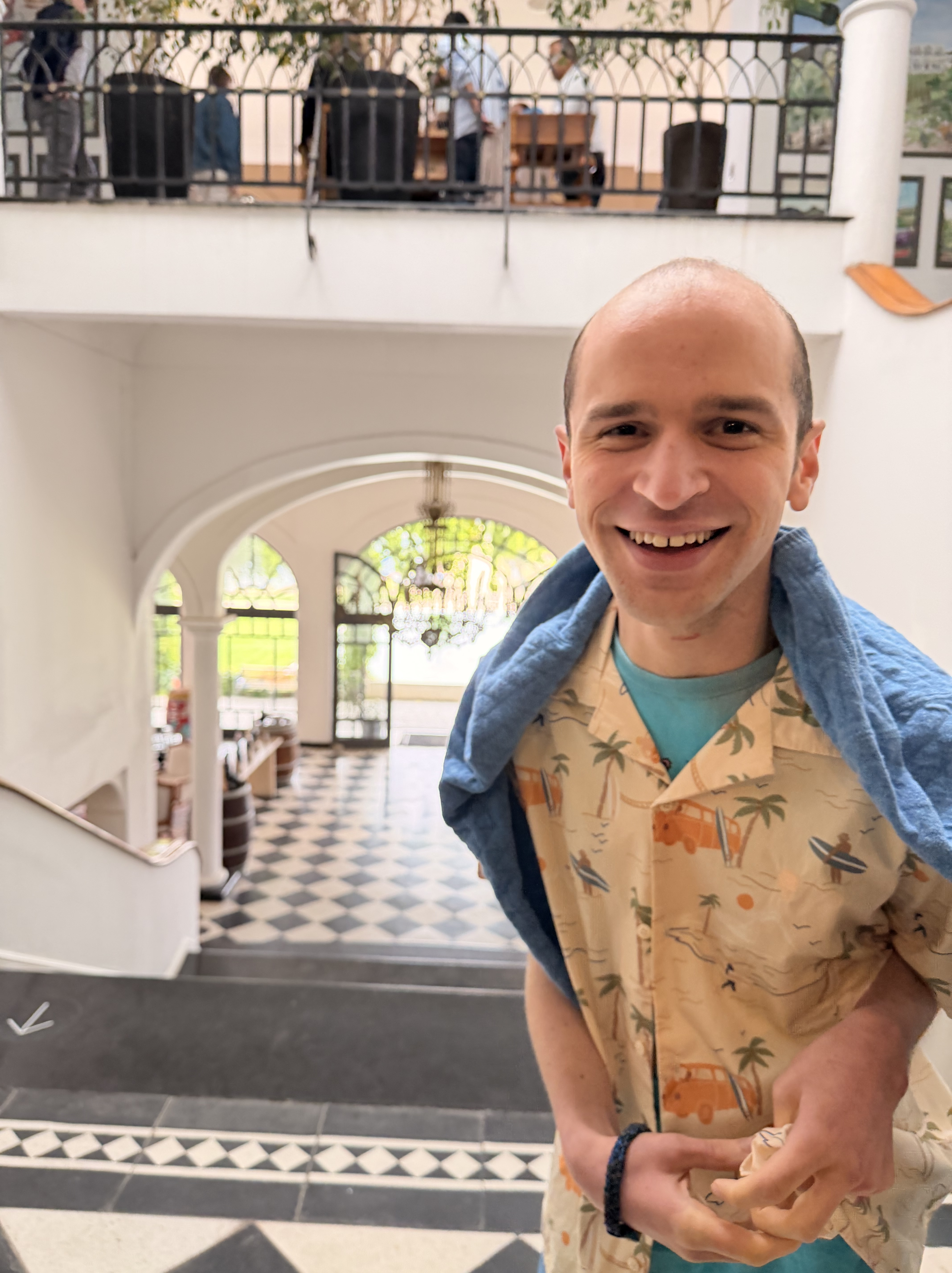
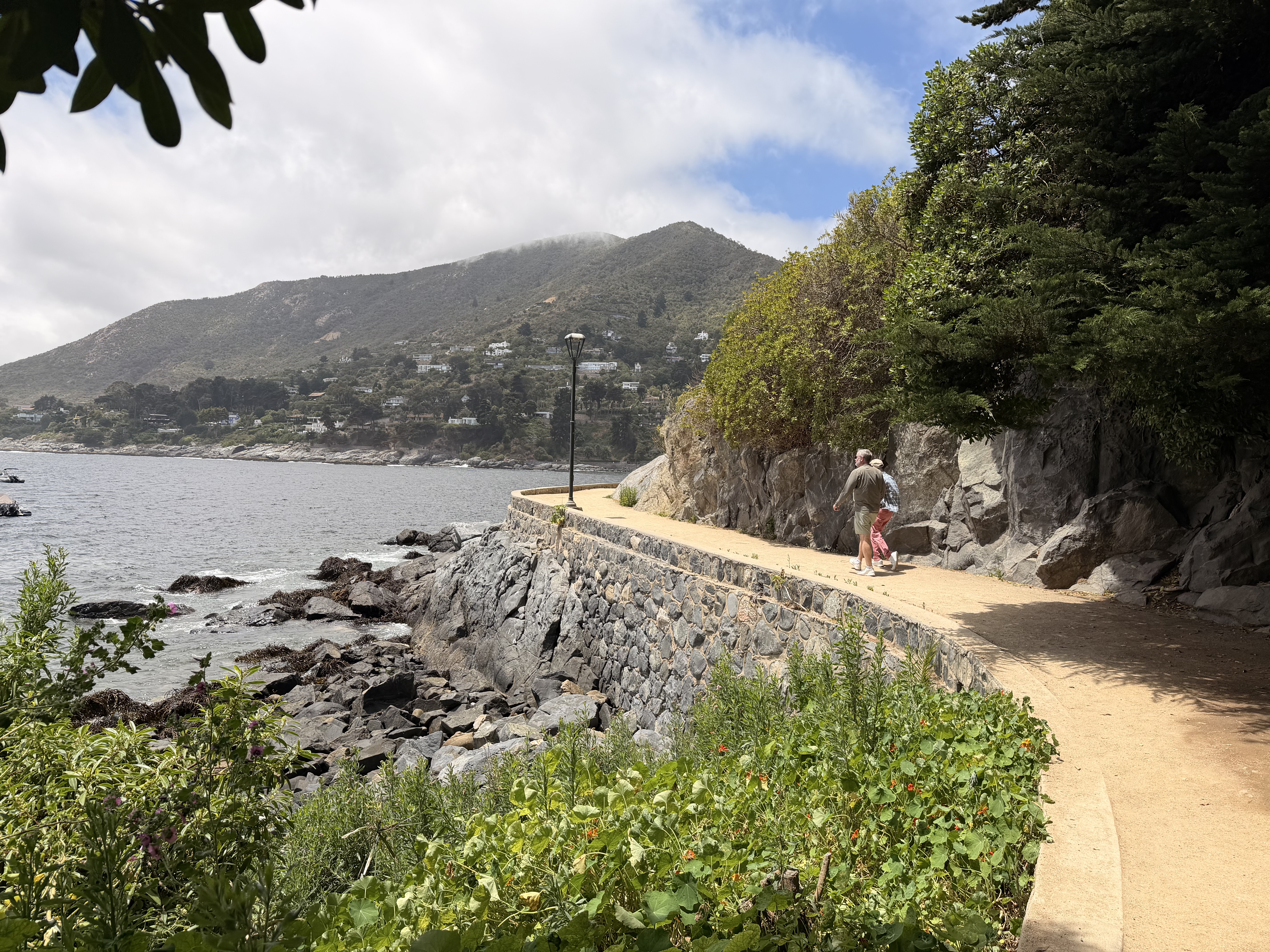
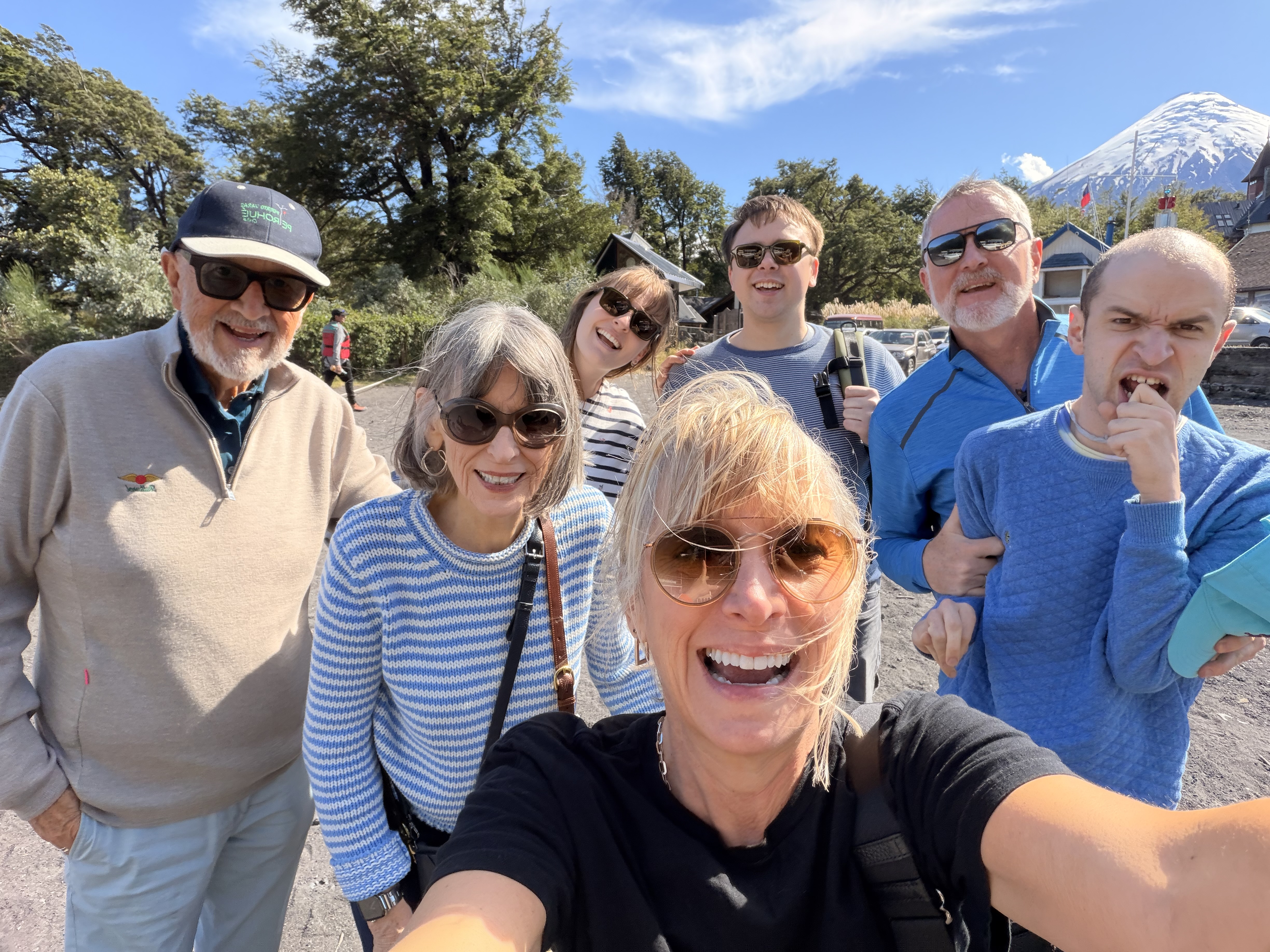
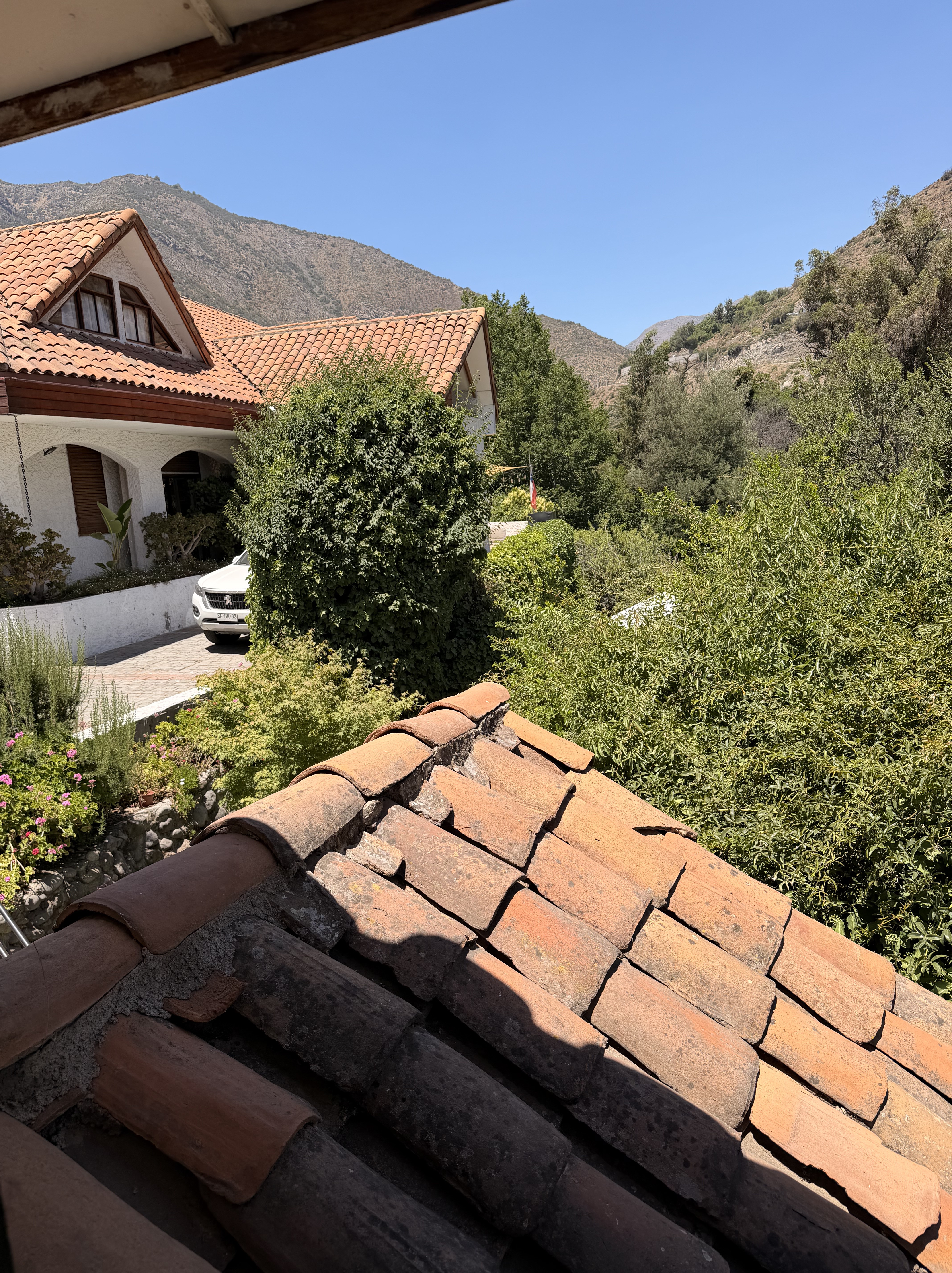
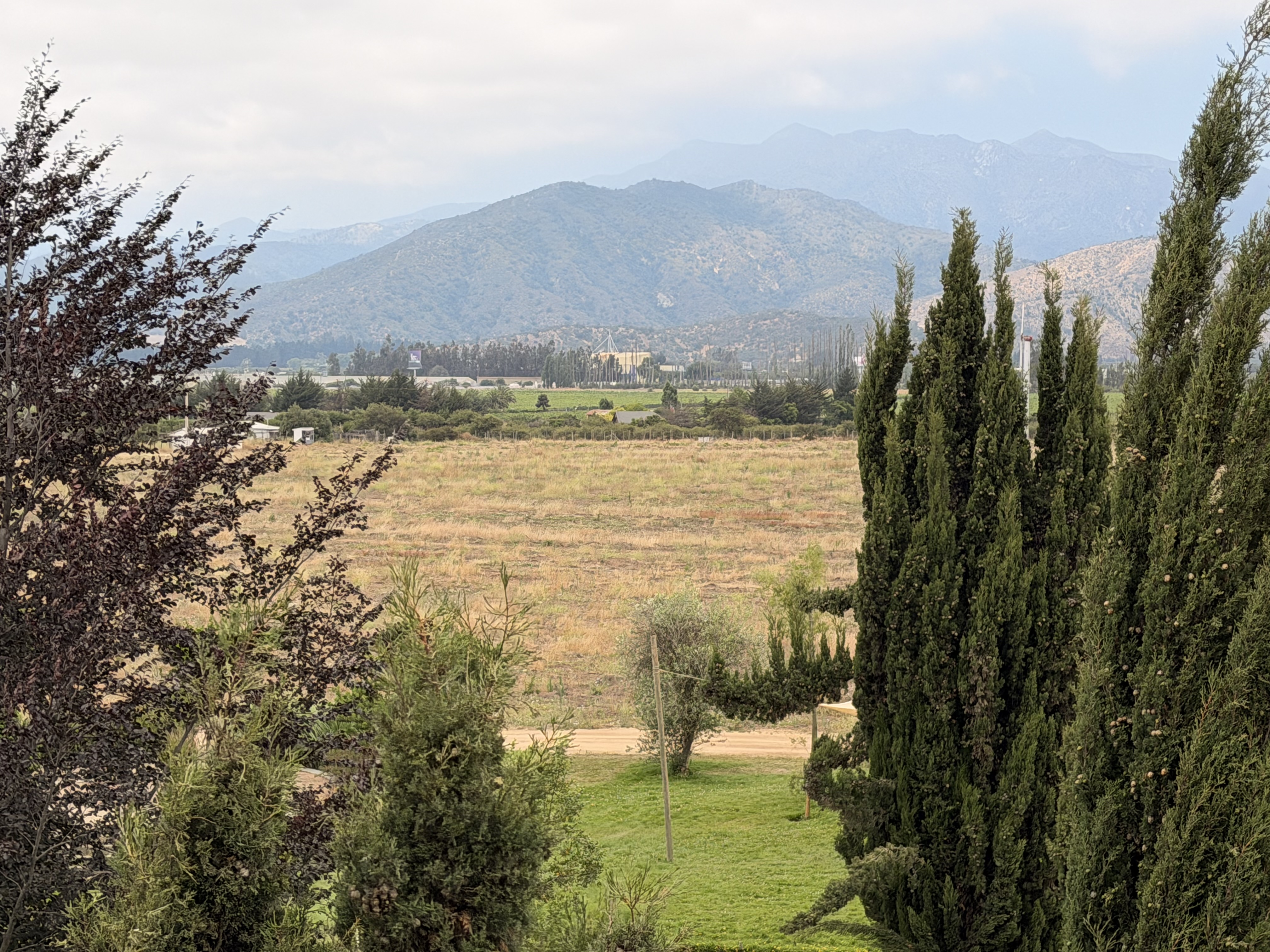
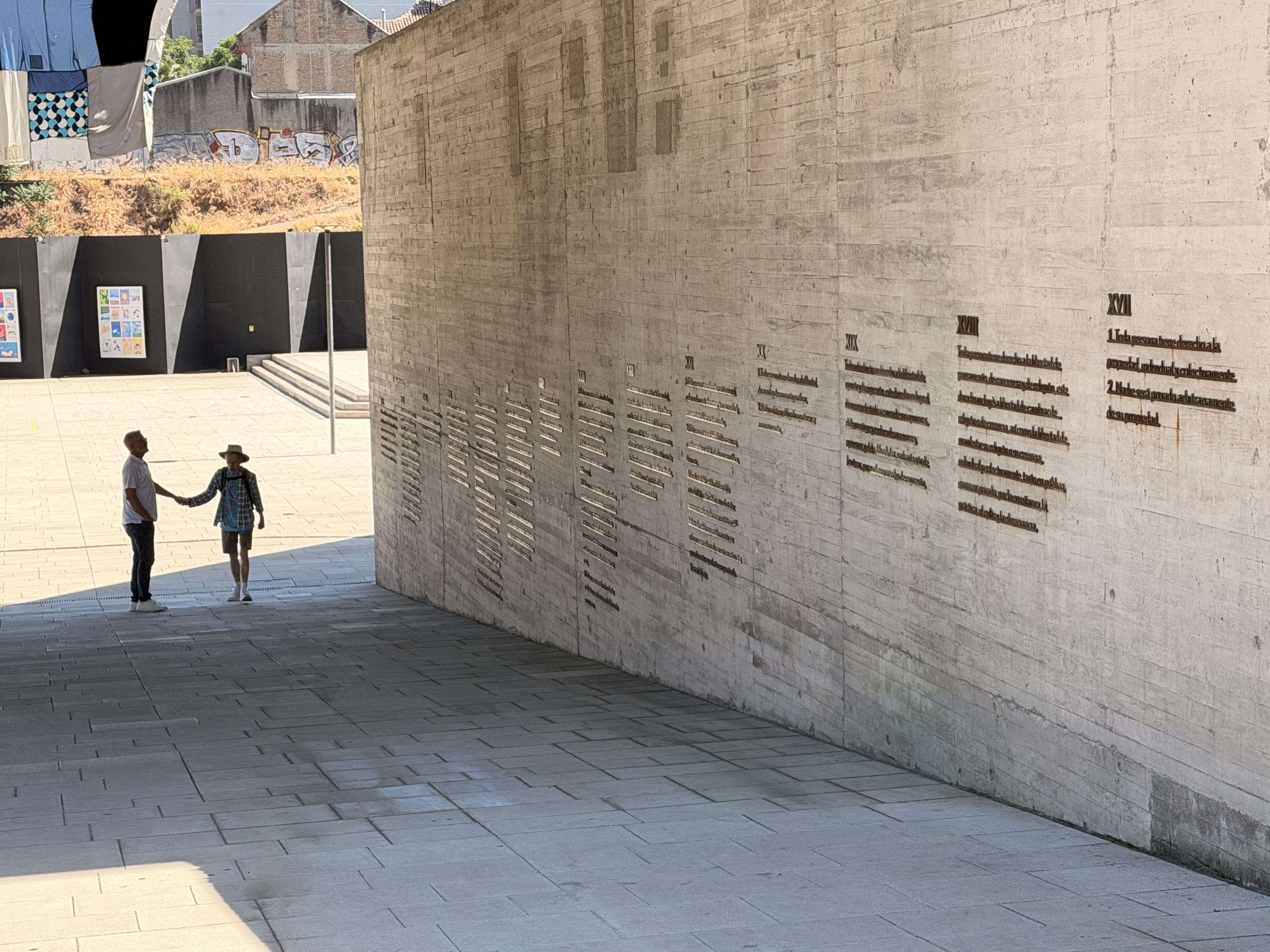
This trip to Chile wasn’t about perfection. It wasn’t smooth, or restful. It was real. It was messy. It was brave. AND it was Instagram worthy – enjoy the photos!

It was also proof that we will not let the what ifs win.

Because here’s what we learned, nineteen years later:
We can be scared—and still go.
Things can go wrong—and still be okay.
We can live with ALD—and still thrive.

Thank you Anna for the push and thank you Nonno and Mymom for the glorious trip!

Love, Jess

beyond lucky

Day # 6740 . . . Life for all of us Torreys has been pretty great lately — full of adventure, connection, and a few unexpected surprises. Last weekend, Mymom and I had the pleasure of attending the ALD Connect Annual … Continue reading

Celebrating Jack and His Ripples

Years #18 — Day #6575

Eighteen years ago, we watched as stem cells went into Jack’s body. The room was full. Our Torrey 4, Mymom, Nonno, several doctors, countless nurses, and a huge amount of hope. Hope that the cells would take over and stop the disease that was destroying Jack’s brain. Hope that we would bring Jack home. Hope that our lives would return to normal.

Seventy-nine days later, two of those hopes had come true. The transplant had worked and Jack was home. But that last hope—the one where life would return to “normal”—never quite happened.

Eighteen years later, we’ve learned that “normal” wasn’t something to return to. Instead, we’ve built something new—something extraordinary. Our lives have shifted in ways we never imagined. Our perspectives, our dreams, even our careers—changed. And in those changes, something beautiful has grown.

This is the ripple effect: how one moment—one life—one experience—can reach far beyond what we can see.

If Jack’s journey has touched your life, we’d love for you to share your story. How has his story touched your life? How did these ripples go beyond you?

I’m starting to compile a list of stories of the ripples Jack created. I want to have them all in one place to treasure them, celebrate them—this is Jack’s legacy. Please share them here or send them to jctorrey@mac.com.

Happy Birthday JackO!!!! 

And thank you in advance or helping us put the ripples together.

Love, Jess

A special thank you to the parents of “The Little Lady from Detroit” who donated the cord blood that saved Jack’s life — THAT was the stone that started the ripples!!!!!!!


MAX 5/15/2021-2/6/2025

We adopted Max just three years ago. He had been fostered by a lovely Maplewood family. We went to their house to meet him and there was something about Max’s big ears and crooked smile that made us fall in … Continue reading

Do you want me to push you?

Next Thursday, January 30th, at 7 pm ALD Connect is hosting the monthly Mental Health Call where my friend/ALD hero, Emma, and I will lead a healthy discussion about the importance of communication within a caregiving relationship. Hoping to see many of our ALD Community next week, but I wanted to take the opportunity to share with all our Smiles and Duct Tape readers why we’ve chosen this topic.

Whether you’re an ALD family or not, there are many people who are part of a caregiving relationship — a caregiver or care receiver. Whether you’re caring/receiving care for/from your child or spouse or parent or sibling or friend — I want you to consider adding an important question to your communication, “Do you want me to push (help) you?”.

At the last ALD Connect Annual Meeting and Patient Learning Academy I had the pleasure of spending time with Laurie and Emma Hayes – two ALD folks I absolutely adore. They’re a mother/daughter duo who have always impressed me. Laurie, the mom, and is a symptomatic woman with ALD. Emma is her adult daughter.

Throughout the weekend I would hear Emma say the words, “Mom, do you want me to push you?” Repeatedly. Laurie would sometimes take the opportunity to be pushed around in her wheelchair and other times she would deny the help. She was in charge.

There was something powerful about witnessing this simple moment between a mother/daughter — care receiver/caregiver. 

The question “Do you want me to push you?” symbolized more than just a literal action. It was recognition by Emma (the caregiver) of Laurie’s (the care receiver’s) autonomy, and it showed a commitment to working together. By asking and answering this question with honesty and openness, they were beautifully navigating their journey together with grace and understanding. 

We all talked about this often overlooked part of a positive caregiving relationship. Receiving care can be a difficult thing for people to accept. It often involves coming to terms with one’s limitations. And providing care can also be challenging. Not only can it be exhausting, even messy, but without open communication a caregiver may do too little or too much. Without a conversation a caregiver may not appreciate the help their loved one needs. It’s easy to fall into the trap of doing too much, believing it’s the best way to help. Laurie shared the importance of caregivers to recognize that, although someone may require help with one thing doesn’t mean they need – or want – help with another. Overstepping boundaries can unintentionally undermine the care receiver’s confidence and independence. The key is to strike a balance—stepping in when help is needed while allowing the care receiver to maintain as much control as possible. Communication is the key.

The most successful caregiving relationships are built on mutual respect, trust, and open communication. Caregivers must remember that their role is to support, not to control. Care receivers, on the other hand, should embrace the partnership, acknowledging their caregiver’s efforts while maintaining their own sense of agency. Laurie is always quick to share how grateful she is for the help Emma provides. Another beautiful thing to witness.

As I’ve been preparing for this call I’ve been recognizing that, although Jack can’t speak and is far more dependent than Laurie, there is more I can do to allow Jack to have some control. Slowing down and allowing Jack to feed himself, walk independently, and choose between The Office and Impractical Jokers are how I’m asking him if he wants to be pushed. He seems to enjoy this small shift and is doing his part by thanking me with one of his beautiful smiles.

Hope to see many of you on Thursday (sorry, ALD required).

Love, Jess

Meaning, Purpose, Connection

When I first meet with a client, I always share that creating a healthy life – not a life of rainbows and sunshine, but a life where we struggle less – is creating a life where we have meaning, purpose and connection.

Viktor Frankl, a Holocaust survivor and renowned psychiatrist, said, “Life is never made unbearable by circumstances, but only by lack of meaning and purpose.” I add connection to the list because without connection we’re simply floating solo on this journey.

Meaning is the why behind what we do. It’s the lens through which we view our existence. It represents our priorities and values. Purpose is the how we honor our meaning – it’s the what we do. Purpose gives life structure and motivation, keeping us moving in a positive direction towards our meaning — even during difficult times. Connection is the DUCT TAPE that holds us together. It’s the relationships we build, the communities we nurture, and the experiences that bring us closer to others. Connection allows us to collaborate, support, and celebrate alongside others, reinforcing our sense of belonging. And, our connections often help us to find our meaning and work towards our purpose.

These are some questions to get started:

  • What experiences in your life have you found fulfilling?
  • Which activities or causes make you feel like you are contributing to something bigger than yourself?
  • What are your strengths and passions that can help others or contribute positively to the world?
  • When do you reach out to friends and loved ones, not just when you need something, but simply to connect?
  • What are the communities or groups that share your interests and values?

I just returned from this year’s ALD Connect Annual Meeting and Patient Learning Academy. All weekend I thought about meaning and purpose and connection. I thought about how meaning, purpose and connection have allowed me to survive – even thrive – following the diagnosis.

When you’re facing a complicated diagnosis like ALD, many find themselves caught up with concerns about their health and their future. It’s easy to get lost in a pile of what ifs and the cycle of daily routines, often leaving little time to reflect on what truly matters. We chase test results and tick off checklists, but without understanding what drives us, we risk feeling unfulfilled. Meaning, purpose and connection allow us new insights about what is truly important, gives us direction and motivation and provides us emotional support. It helps us take some power back and pay it forward.

17 ½ years ago ALD shattered our family. It took years to adjust to our new circumstances and appreciate the need for taking control of what we could. We couldn’t change our genes, but we could find meaning. We could move forward towards our purpose, and we could add to our connections. 

I’ve said many times that ALD is a crappy/shitty/terrible disease, but the people are amazing. I want to thank the ALD community for allowing our family to find meaning and purpose and connection. I want to thank the ALD community for helping us struggle less.

Love, Jess

9497 days

Day +6277 (Transplant)

Day +9497 (Life)

9497 days ago we welcomed JackO into the world. I hadn’t been sure of many decisions in my life, but becoming a mom was a choice I made clearly, without hesitation. Being Jack’s mother (and Anna’s mom too, but today is about Jack) has been the greatest honor of my life. He’s taught me perspective and strength and determination and love.

And, I’m not alone. Our boy without words, is a gifted teacher.

Friends and family have asked what Jack would like for his birthday. Jack is hard to shop for — he’s a person who values things that aren’t things. He values music and dancing and sunsets and walks and family and friends and laughter and smiles.

So here’s a gift you can give to our boy — Please take a moment today to make someone in your life smile. This world needs more smiles. Do it in honor of Jack!

HaPpY 26th bIrThDaY JackO!!!!

Love, Momo

Accidents Happen

I was sitting in my office with a client on Monday when my phone vibrated. I ignored the first notification, but seconds later it vibrated again. And again. And again. I tried to be subtle as I glanced down and saw that my father had called twice, then my sister-in-law, then my brother.

I’ve never had to interrupt a client mid-session and paused as my brain scrambled to figure out what I should do. I was trying to listen to what my client was sharing, but my thoughts were busy trying to figure out what would cause my family to be reaching out in such a flurry.

AND where was Mymom?

I looked at the clock and realized that the session was nearing the 50-minute mark. I’m not sure if my clients realize that our sessions are only 50 minutes because I tend to allow them to linger until the buzzer rings indicating my next client has arrived. But, Monday at 12:49 I closed my folder and stood up, “I’m afraid that our time is up for today. We will need to finish this up next week”.

I texted my next client to say I may be late for our session and started reaching out to family. My dad didn’t answer. My mom didn’t answer. Then I saw a message from my dad on The Cappello Family chat. 

Car accident in cab. Mymom is hurt.

Heading to the hospital. Will keep you posted.

The family calls started as we all tried to piece together what happened.

The short story is that Mymom was in a taxi heading to have lunch with a friend and the taxi plowed into the car in front of them, flying Mymom into the glass partition. She had cuts on her face, broken teeth and neck pain. Monday afternoon was a long one as we all waited for more information. I did finally speak with Mymom around 3 and was relieved when she seemed more focused on reminding me to wear a seatbelt than her injuries.

After seven hours in the ER, Mymom was able to get home. She has many stitches, broken teeth, and a small fracture in a vertebrae – not easy, but we’re all so grateful that it wasn’t worse.

I was speaking with a friend last weekend about the idea that hard experiences SHOULD somehow protect you from other hard experiences happening. That would be fair, right? But life isn’t fair. Nature isn’t fair. Accidents happen.

Always trying to learn from experiences, I’m trying to focus on the good that came out of this accident. Most importantly Mymom is okay, but I’m also reminded of what’s really important. There’s so much we can’t control, but we do have control over treasuring relationships that are important to us. We can control when we might need to wrap up a session a little early. AND we can control always remembering to put on our seatbelt.

So glad you are okay Mymom — we love you!

Love, Jess