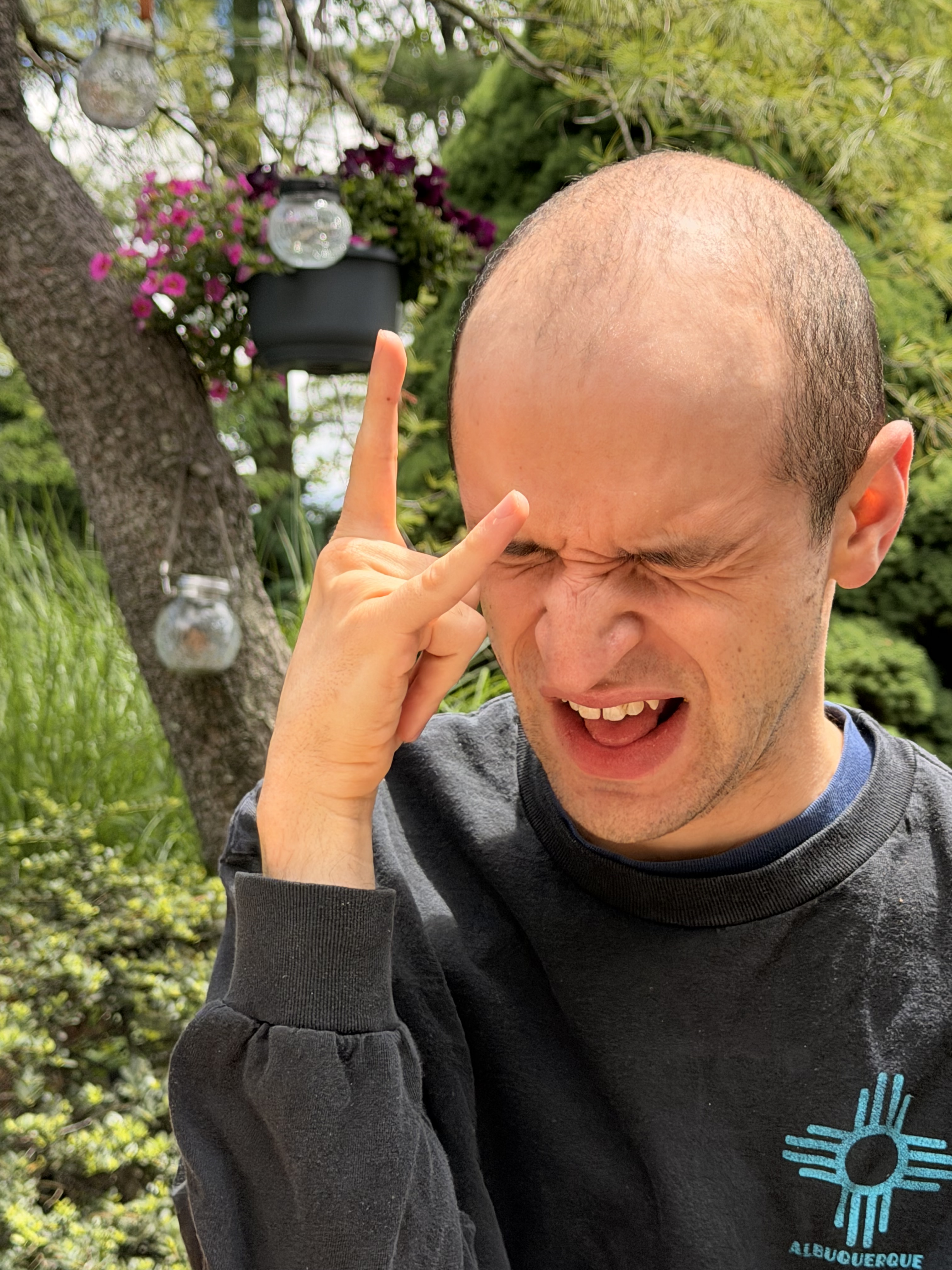
19 years

19 years

228 months

6940 days

Nineteen years ago we stood in Room 505 of Columbia Presbyterian’s Morgan Stanley Children’s Hospital watching a bag of donor cells slowly drip into our eight-year-old son’s body. There was no dramatic music (although there was a playlist thanks to Dan). No fireworks. No certainty. Just a team of experts, a frightened family, and a process that somehow felt both incredibly ordinary and impossibly miraculous.

Looking back, I think it may have been the ultimate example of trust and hope.

Trust that the doctors and nurses knew what they were doing. Trust that a stranger’s donated umbilical cord blood cells could find their way to where they needed to go. Trust that this terrifying journey would lead us back to the future that we had always expected.

And there was hope in Room 505 — so much hope.

At the time, I thought we were hoping Jack would get back to the life we had imagined for him before ALD entered the picture. I thought we were hoping things would return to normal – normal meaning typical – what we had known. Nineteen years later, I understand that wasn’t really what we were hoping for at all. What we were truly hoping for was that Jack would survive. That he would experience joy, friendship, laughter, purpose, and love. That he would know he belonged. That he would have more birthdays.

And he has.

Jack’s life may not be the life we once imagined. There are challenges we never anticipated. Piles of medications we still can’t pronounce. There are losses and limitations that ALD brought into our family’s story. But somewhere along the way, we stopped measuring Jack’s life against the life we expected him to have. And, we started appreciating that his life might be different, but that it is wonderful. We learned to sit with reality instead of fighting it. We learned to accept – and that acceptance is not giving up. Acceptance is making room for what is true.

And once we did that, something incredible happened.

We started to be able to enjoy Jack’s life. Not the imaginary version. Not the alternate timeline. His actual life. The one filled with hockey games, family vacations, inside jokes, stubborn determination, and countless moments that make us smile. The life that has brought us friendships we never would have found otherwise, careers we never considered, and an appreciation that a beautiful life may include g-tubes and diapers. It is a life that continues to teach us about resilience, gratitude, and the power of community.

Today, after having a nice morning of TV and yard work, Jack and I sat in the back yard eating lunch. We called Anna on FaceTime and sat for a while making each other laugh. Dan finished his yard work and joined us. I filled him in on what Jack had for lunch, how much liquid he had through his g-tube, and the large poop he’d taken on the toilet. We all cheered! This is our life and we wouldn’t trade it.

Nineteen years ago, as those donor cells entered Jack’s body, we didn’t know where our story would lead. We only knew we had to trust and hope. Today, nineteen years later, I’m grateful for the trust and hope that helped us survive AND I’m also grateful for every poop that lands in the toilet.

Happy Transplant Birthday, JackO! Thank you for showing us that a good life doesn’t have to look the way we expected to be beautiful.

Love, Jess
ALD Connect . . . ions

There are many things I expected to discuss when we became part of the ALD community nearly two decades ago.

Bone marrow transplants? Sure.
MRI results? Absolutely.
Adrenal insufficiency? Unfortunately, yes. Sharing stories with a screen full of people about peeing myself in public? That one was not on my bingo card.

And yet there I was, with a bunch of ALD folks on the last ALD Connect mental health call — sharing stories, sharing tricks to masking pee stains, and in some cases — laughing with everyone until we all considered whether a quick trip to the bathroom might be wise.

It was perfect.

Not because urinary incontinence is glamorous (spoiler alert: it’s not), but because there’s something incredibly healing about being with people who truly get it. The ALD community has a remarkable ability to turn even the hardest, most awkward, most human experiences into moments of connection.

Nobody had to pretend. Nobody had to be cool. Nobody had to hide the realities of living in bodies that sometimes do unexpected things.

Instead, we laughed.

And beneath the humor was something deeper — safety. That’s exactly what this community has been for our family over the years – a safe place. ALD is heavy. There’s no way around that. But somehow, together, we are able to create spaces where we can all breathe a little easier, laugh a little louder, and feel a little less alone. In the last few months this ALD Mental Health call has included topics like Laughing Through the Leaks, In the Bowels of ALD, Carrying the Invisible Weight of ALD: Fear, Guilt and Resentment, Allowing Anger, Boundaries During the Holidays – Protecting Your Peace — all important topics, all raw topics and all difficult to discuss without feeling safe.

And now ALD Connect is encouraging more ALD connections — opportunities for people in the community to gather in person, share stories, and simply spend time together outside of hospitals, conferences, and Zoom screens.

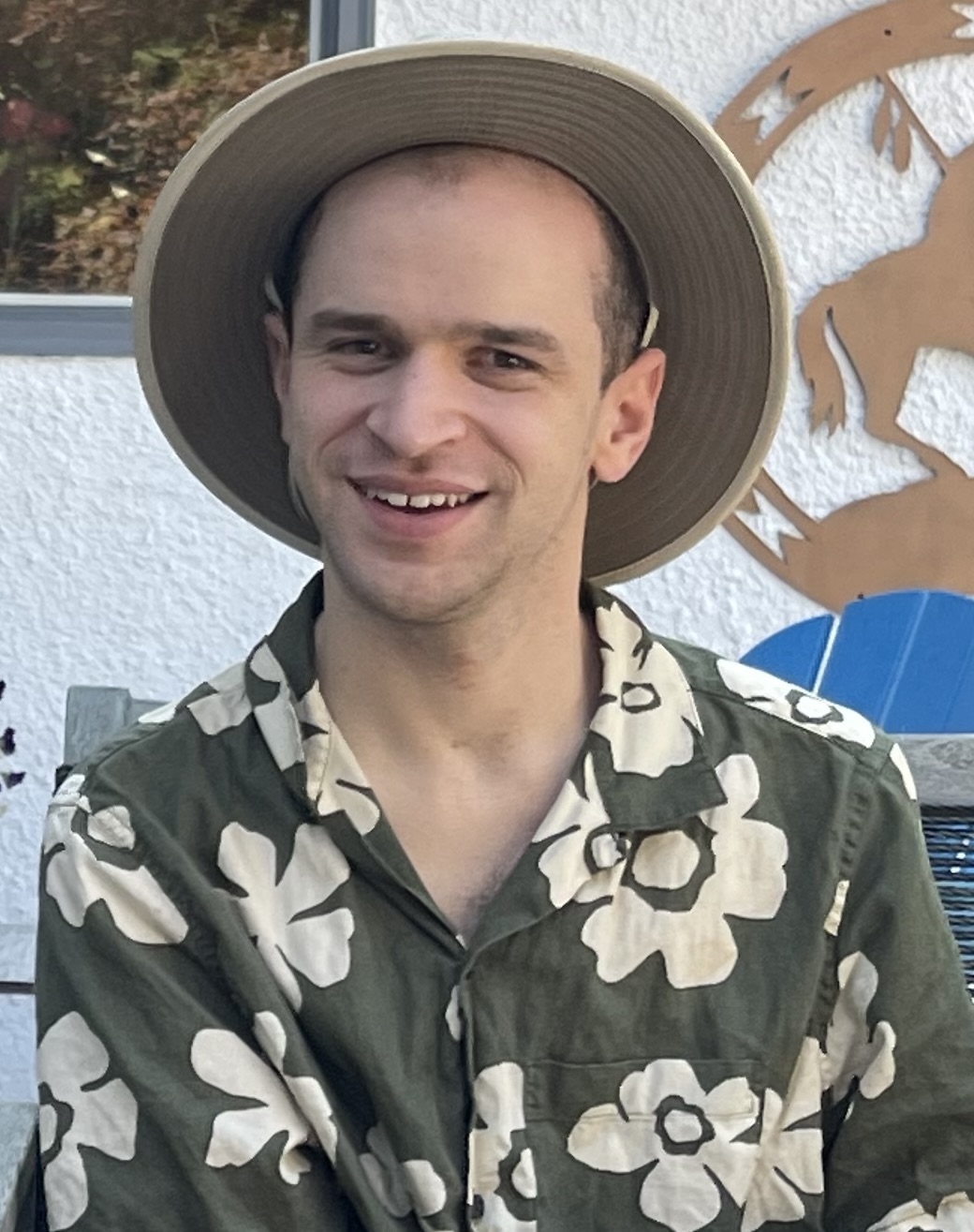
Grab a sun hat, a bathing suit, and your fav summer shirt and join JackO for some summer fun!

Our family is excited to host one of those gatherings at our home on June 20th.

We would love for ALD folks who live in or near NJ to join us for an afternoon around our pool — eating food, sharing stories, relaxing, and yes, probably laughing harder than our bladders can handle.  Whether you’re a newborn screening family or a family with a beautiful boy with CALD or someone who has lost a loved one to ALD/AMN or a man or woman with ALD/AMN – all ALD folks are welcome!!! And, our house is comfortably accessible for any who may have mobility issues.

No perfection required — just people showing up exactly as they are. Which, in my experience, is where community begins.

Love, Jess

At the end of the mental health call, we always share a guided meditation. Here’s a bit from this month’s script:

Because community is not built through perfection. It’s built through honesty. Through vulnerability. Through laughter… Life is heavy sometimes, but laughter lightens the load. And community reminds us that we never need to carry it alone.

Trust + Hope + Accept

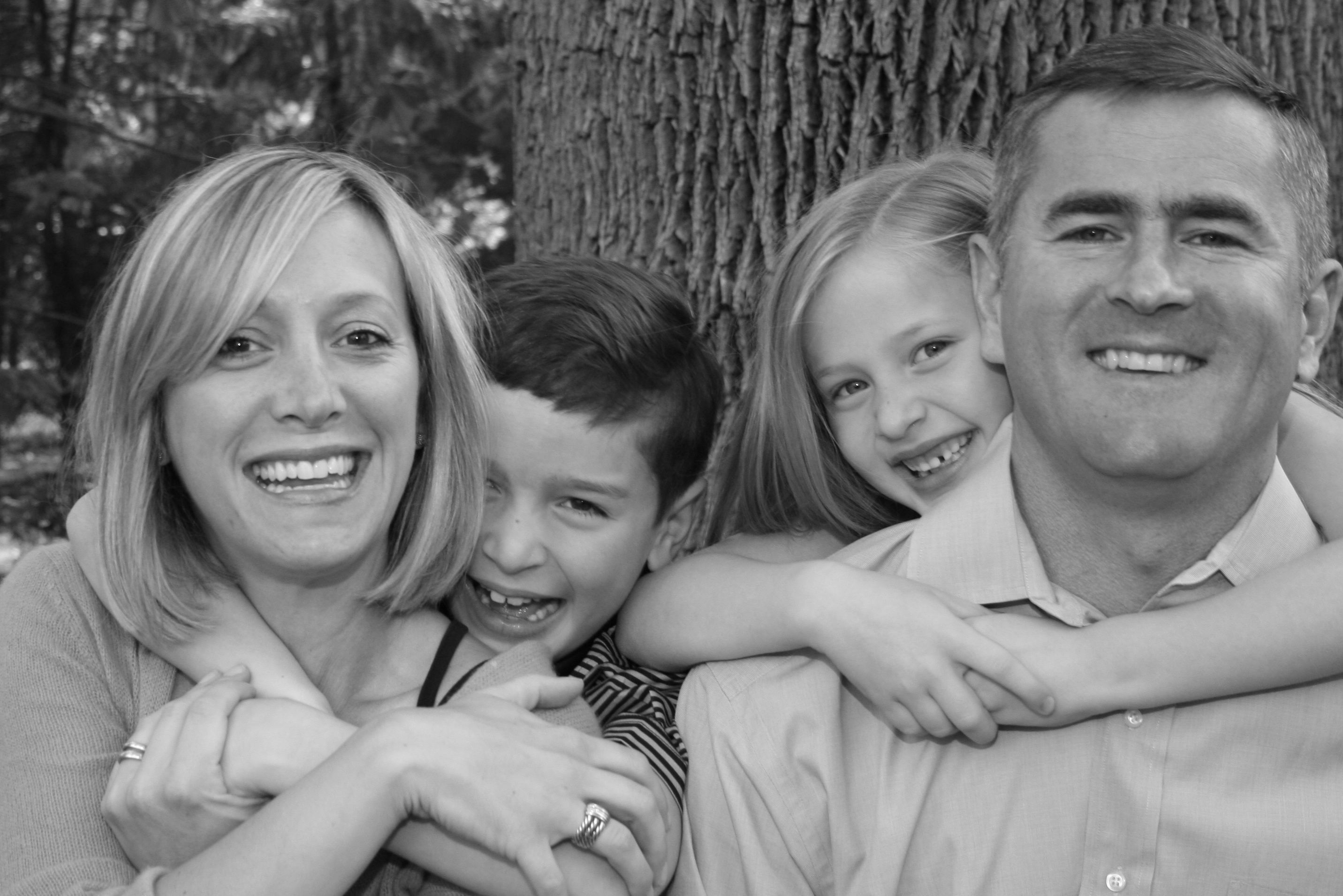
This photo was taken nineteen years ago. Jack had finally been diagnosed after months of struggling and ten days of intense in-patient testing. The doctors sent us home while they worked to come up with a plan and our dear friend, Kim Vivenzio, came over one afternoon to take some photos of our family. There is so much happening behind those smiles.

Nineteen years ago, we were suspended in time.

We had just received Jack’s ALD diagnosis, and suddenly everything we thought we knew about the future dissolved. We weren’t moving forward, but we weren’t standing still either. We were in a holding pattern — waiting for our team to find a donor, waiting for a plan, waiting for something solid to hold onto.

We felt powerless.

We had to learn to trust. Trust the doctors. Trust the process. Trust that somehow, something would come together. Trust that Jack would survive.

But trust, in those moments, didn’t feel strong or inspiring. It felt fragile. It felt like choosing to believe when you have absolutely no evidence that things will be okay. Nineteen years ago, hope needed to live right alongside trust. Not loud, not flashy—just steady. A quiet voice that said, keep going, keep breathing, keep believing that there will be a next step. Keep believing that Jack will survive – that our family will survive.

That combination — trust and hope — carried us through. Not just then, but through the years that followed.

Because here’s the thing about a holding pattern — it doesn’t always end when you think it will. It didn’t end on Jack’s transplant day or Day 100 or when he returned to school. Life with ALD has a way of bringing you back to that holding pattern again and again. Different circumstances, different fears, but the same feeling of waiting, of not knowing. Of needing to trust and hope.

Over time, something else joined trust and hope – acceptance. Not resignation. Not giving up. But a deeper understanding of what we can and cannot control.

We learned to loosen our grip on the unknown and hold more tightly to what was right in front of us — our family, our friends, our moments, our small victories. We learned that appreciation isn’t something that comes after things get better. It’s something you MUST practice in the middle of the uncertainty.

Lately, I’ve been spending more time listening to families who are newly diagnosed with ALD. Their holding pattern looks different. Their boys are healthy. They are living full, beautiful lives. And yet, they are needing to find a team of doctors and monitor their boys (including those tough MRI days). There’s this quiet question always present: if… when… will things change?

It’s a different kind of holding pattern. Not in the middle of a storm, but a constant undercurrent of uncertainty. There’s no immediate crisis, no urgent plan—but there is the weight of not knowing. That kind of waiting can be just as heavy.

Different stories. Different timelines. But the same need to trust and hope and accept.

We all need to learn how to trust without guarantees. We all need to hold onto hope, even when it feels fragile. We all have to find a way to accept what we cannot control. Holding patterns are uncomfortable, but they also shape us. They teach us how to stay present, how to pause and be grateful, how to love deeply, how to live fully—even when the future feels uncertain.

Nineteen years after Jack’s diagnosis, I can say that sometimes we feel like we are still in a holding pattern, but we know how to trust and hope and accept. AND, we are forever grateful for all of our smiles and duct tape.

Love, Jess